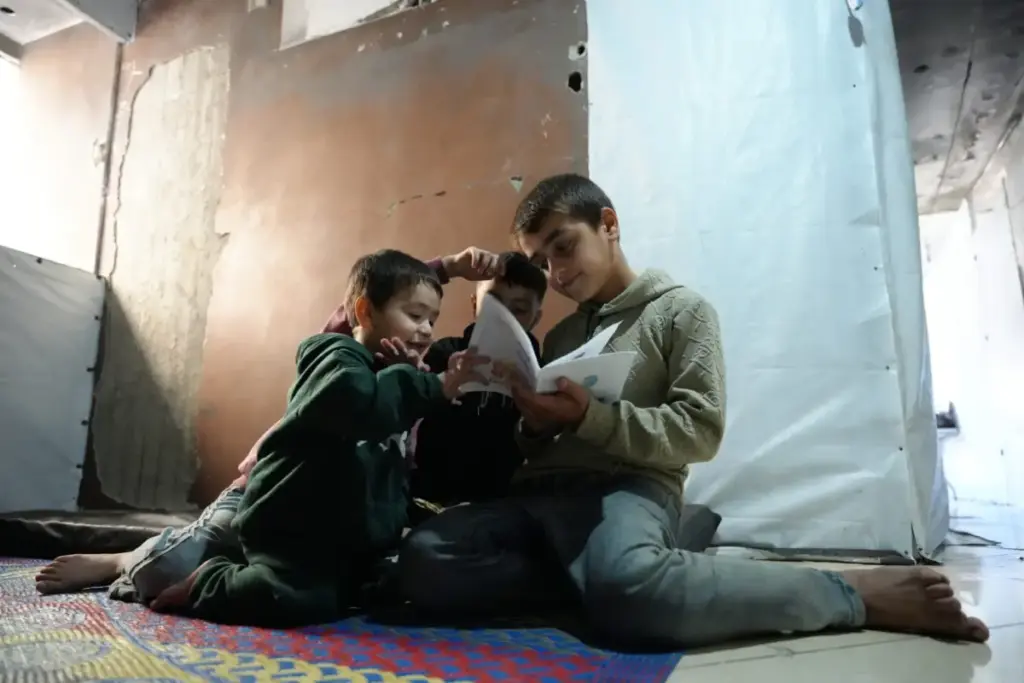
At an age when he should be enjoying a carefree childhood filled with schoolyard games, laughter, and the security of a loving family, 10-year-old Mujahed is carrying a weight that no child should ever have to bear. He is currently navigating an unimaginable intersection of profound grief, grueling cancer treatments, and severe physical injuries. Just three years ago, Mujahed’s life looked entirely different. He lived happily with his parents, thriving in school, and spending his afternoons playing football, tag, and hide-and-seek with his friends and cousins in the familiar streets of his neighborhood.
While the passage of time has not erased his love for those same childhood games, virtually everything else in his world has been irrevocably altered. Mujahed’s parents were both killed when the family home was entirely destroyed during a devastating escalation of conflict. That single, cataclysmic event left the young boy not only orphaned, but also severely injured, casting a permanent shadow over what should have been his formative years.
Among the lasting physical reminders of that fateful day are significant dental injuries that continue to impact his daily life. The damage to his teeth makes it difficult for him to speak and eat normally, robbing him of the simple comforts of a painless meal and clear communication. Beyond the physical discomfort, these dental issues cause him deep emotional distress and embarrassment in social settings.
"I don’t have parents to pay for my dental treatment," Mujahed says quietly, reflecting on the harsh reality of his daily existence. "I wish I could receive the medical care I need so that I can talk, eat, and smile like other children."
In addition to his facial and dental injuries, Mujahed sustained serious trauma to his leg. The injury has left him walking with a noticeable limp, making it exceptionally difficult and painful for him to travel long distances or keep up with his peers on the playground. Despite these overwhelming physical hurdles, his resilient spirit occasionally breaks through as he remembers the simple joys of mobility and play. "I wish I could have a bicycle to move around freely and toys so that I can play happily," he shares.
Following the tragic loss of his parents, Mujahed was taken in by his uncle, who stepped forward to provide whatever shelter and protection he could. Until recently, Mujahed shared a cramped tent with his uncle, his aunt, and two other orphaned cousins. Those cousins had also been taken in by the same compassionate uncle after their own parents were killed in the ongoing crisis, creating an extended household defined by shared trauma and resilience.
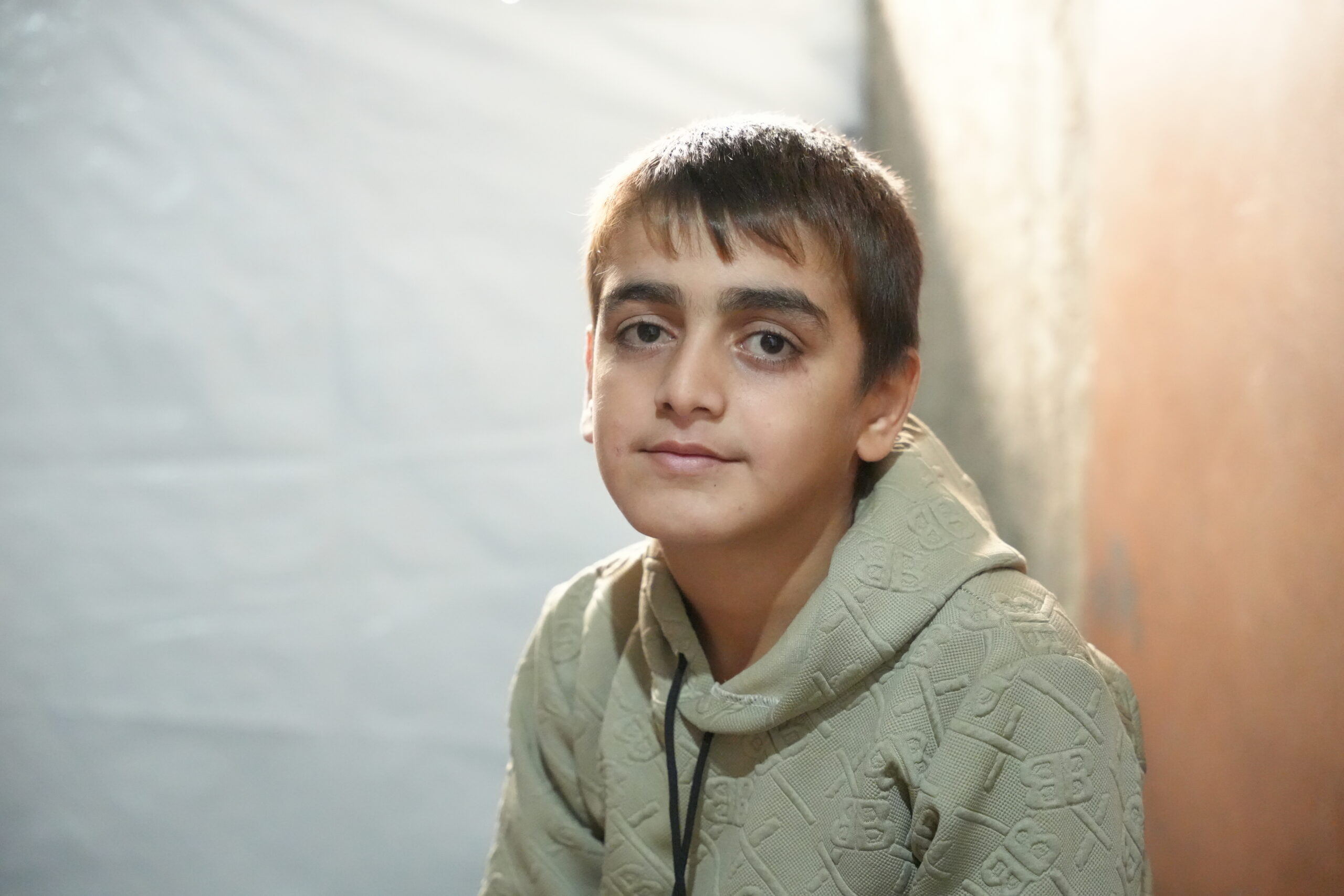
The adult family members are doing the absolute best they can to support the children under their care, stretching their extremely limited resources to the breaking point. However, the sheer cost of living and the burden of specialized care mean they simply cannot afford the private medical expenses required for Mujahed’s dental rehabilitation. Instead, the family is forced to make heartbreaking triage decisions regarding his health, prioritizing life-saving interventions above all else.
All available resources and energy must be directed toward funding chemotherapy for Mujahed’s leukemia, a devastating diagnosis that compounds his daily suffering. The cancer treatment is intensely demanding on his young body, frequently leaving him bedridden for days at a time as he cycles between agonizing pain and profound fatigue.
The family’s precarious living situation worsened still further in early November, when severe weather struck the region. Heavy, relentless floods swept through the area, completely collapsing their tent and ruining what few personal belongings they had managed to salvage. Left with virtually nothing, Mujahed, his relatives, and his cousins were forced to seek shelter elsewhere, ultimately moving into a partially damaged, concrete-shell building nearby.
The environment is far from safe or comfortable. The interior walls are heavily blackened from a previous fire, bearing the scars of past destruction. The building lacks proper doors and windows, and the large openings and holes in the walls are haphazardly covered with thin sheets of weathered tarpaulin. These makeshift barriers do little to keep out the biting winter winds and freezing drafts, but in the face of absolute displacement, some shelter—no matter how damaged—is preferable to having no roof at all.
Despite the relentless compounding of crises, Mujahed has refused to let go of his future. Showing remarkable determination, he has enrolled at a temporary learning centre set up in a nearby camp. While the learning environment is far from ideal, crowded and lacking standard educational infrastructure, the young boy remains deeply committed to continuing his education. To ensure he does not fall entirely behind, he also works with a dedicated tutor who helps him catch up on the months and years of classes lost to displacement and illness.
Support systems, such as sponsorship programs, play a critical role in helping Mujahed’s family cover basic household costs, contributing directly to his continued education and ongoing medical needs. Through this vital assistance, even if only for brief moments during the day, a little boy caught in extraordinary and harrowing circumstances is given the chance to focus on the simple thoughts, hopes, and dreams of any other child.
Organizations and individuals committed to supporting vulnerable populations continue to work on the ground, emphasizing the urgent need for sustained humanitarian intervention. For children like Mujahed, who have lost their parents, their homes, and their health to circumstances entirely beyond their control, community support remains an indispensable lifeline.