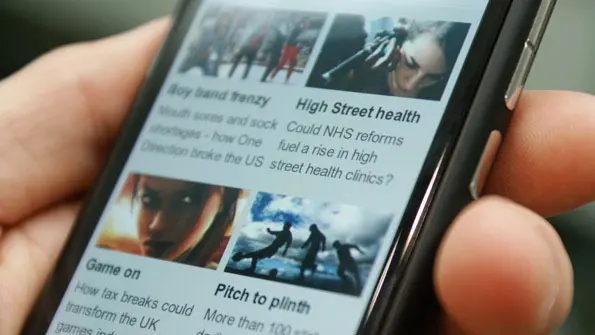
The BBC has announced a major shift in how its digital journalism is delivered to audiences on the move, beginning the process of automatically directing all mobile device users to its newly optimized mobile website. The move marks a significant milestone in the organization’s ongoing digital evolution, ensuring that visitors using smartphones are seamlessly connected to a platform specifically tailored to smaller screens rather than the traditional desktop layout.
Under the new rollout, anyone navigating to BBC News via a mobile device will be automatically routed to the version of the site best suited to the unique specifications of the hardware in their hands. While a substantial portion of the audience already relies on the dedicated mobile platform regularly, many readers up to this point have frequently landed on the desktop version by default. Designed primarily for desktop personal computers, Macs, and laptops featuring considerably larger displays, the desktop layout often requires awkward pinching, zooming, and scanning when viewed on compact smartphone screens.
Over the past six months, the BBC News product team has dedicated extensive resources to refining and expanding the capabilities of the mobile site, directly incorporating feedback and suggestions from users regarding how they want the digital experience to evolve. Recent enhancements include the integration of video clip support for iPhone and Android users, alongside a streamlined navigation architecture intended to make browsing faster and more intuitive. The BBC hopes to extend video compatibility to an even broader array of mobile operating systems in the future.
In response to direct requests from the audience, the platform has also introduced more accessible pathways to local news and weather services. These cumulative improvements give the organization the confidence that the mobile site now delivers the rich and comprehensive variety of content readers expect, while simultaneously providing a vastly superior user experience on compact screens compared to its desktop counterpart.
Despite the automated redirection, the BBC has ensured that readers retain full control over their browsing preferences. Users who genuinely prefer the traditional desktop view on their mobile devices can easily revert by scrolling to the bottom of any page and selecting the link for the desktop site. The system will remember this preference for subsequent visits. Conversely, individuals using mobile devices who find themselves on the desktop layout due to browser quirks or system misclassifications can similarly navigate to the footer and manually select the mobile site.
This transition represents the latest phase in a broader, sustained initiative by the BBC News product team centered on responsive design. The overarching philosophy of responsive design is to present digital content in the most appropriate and accessible format possible by dynamically detecting the specific device a reader is using and serving the layout best adapted to it. Parallel development work is also underway to optimize the digital news experience specifically for tablet users.

The urgency and importance of these platform enhancements are underscored by surging traffic statistics. Mobile engagement with BBC News continues its upward trajectory, with an average of 13.3 million users worldwide visiting the BBC News site and its associated applications via mobile phones or tablets during a typical week. This mobile audience now accounts for approximately one-third of the total readership visiting BBC News Online, highlighting the critical necessity of delivering an optimized, screen-appropriate experience.
The overarching goal for the digital team remains ensuring that audiences can access the full range and depth of BBC News reporting regardless of the hardware they happen to be holding, while simultaneously making the most efficient use of available screen dimensions.
Following the announcement, the editorial team addressed various user inquiries regarding how the new redirection system interacts with specific devices and operating systems. Addressing questions about Kindle devices, the team noted that Kindles are currently classified as tablet devices—albeit with screens smaller than some alternative makes—and therefore default to the desktop site. However, Kindle users remain entirely free to switch to the mobile version at any time by selecting the appropriate link at the bottom of the screen, with ongoing efforts dedicated to progressively improving experiences across increasingly varied screen sizes.
Regarding reports from users of certain hardware brands like HTC experiencing incorrect device classification, the editorial team explained that some devices transmit different identifiers depending on the cellular network they happen to be connected to at the time. Technical teams are actively working to correct such classification errors to ensure seamless redirection, while reminding users that selecting the "Mobile Site" link at the page footer establishes a persistent preference as long as browser cookies remain intact. At present, this automated redirection protocol applies specifically to the BBC Homepage and the primary News site.
For Windows Phone users, the team clarified that the browser experience is already engineered to function effectively on the platform, although technical limitations currently prevent the delivery of video content to those specific devices. Accessibility remains a paramount concern for the organization, with both browser layouts and companion applications carefully designed to integrate smoothly with screen-reading technologies such as Voiceover on iOS devices.
Readers who continue to favor the desktop layout are reminded that a single tap on the desktop link at the base of the page will permanently save their preference for future visits, while engineers continue investigating ways to bridge content gaps where underlying mobile technology permits. The broader strategic approach behind these responsive design principles was detailed earlier in the year by Chris Russell, head of product for BBC News Online, charting the organization’s continuous adaptation to the changing digital media landscape.