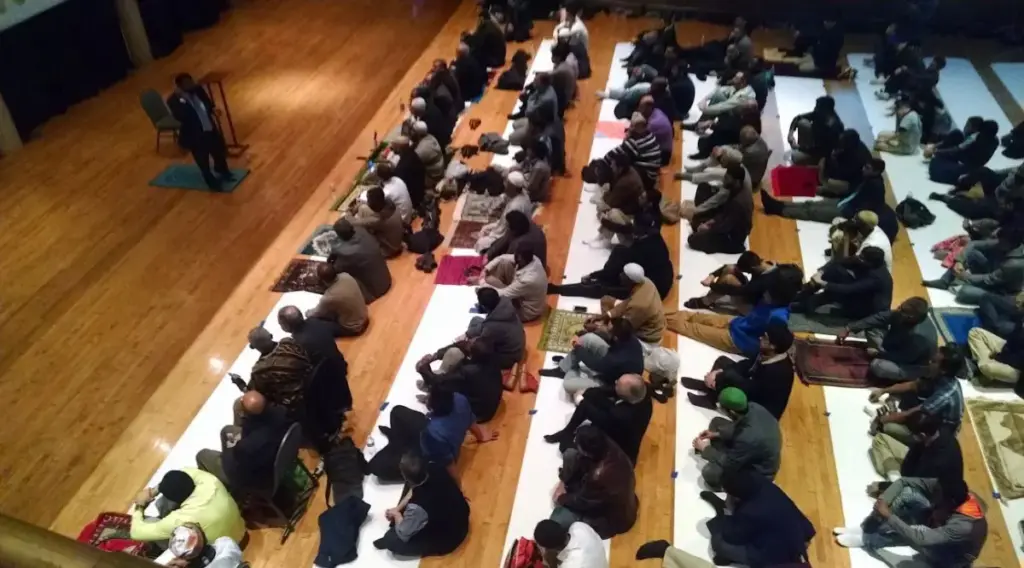
For millions of Muslims around the world, attending the Friday congregational prayer—known as Jumuah—is deeply woven into the fabric of the weekly routine. It is a time-honored tradition, a communal gathering, and a mandatory spiritual obligation for able-bodied Muslim men. However, religious scholars and community leaders increasingly point out that habit and routine can sometimes overshadow the true spiritual purpose of the gathering.
Like all acts of worship in Islam, the validity and spiritual depth of the Jumuah prayer begin with the proper intention, or niyyah. To truly reap the immense fruits and blessings associated with this sacred day, congregants are encouraged to approach the Friday sermon and prayer not merely as a weekly social appointment, but as a deliberate act of devotion requiring active attention, mental presence, and spiritual focus.
The significance of the Friday prayer is underscored by numerous traditions of the Prophet Muhammad (peace and blessings be upon him). In a well-known narration recorded by Imam At-Tirmidhi, the Prophet emphasized the profound purifying nature of these regular prayers, stating: "The five prayers, and Al-Jumu’ah to Al-Jumu’ah are atonement for what is between them, as long as the major sins have not been committed."
This profound promise highlights the immense spiritual opportunity presented every week. Yet, despite the high status of Jumuah in Islamic practice, many attendees inadvertently miss out on its full rewards due to a lack of mindfulness, distractions during the proceedings, or simple behavioral oversights that diminish the quality of their worship.
Mistakes During Friday Sermon
To address these concerns and help worshippers maximize their spiritual experience, contemporary media platforms and community educators have increasingly focused on the etiquette of the Friday gathering. Among the pressing topics discussed by religious educators is the identification of common mistakes made during the Friday sermon, known as the khutbah.

Observing proper etiquette during the sermon is considered crucial in Islamic jurisprudence. Attendees are generally expected to arrive early, listen attentively to the khutbah without engaging in idle talk or distractions, and maintain a respectful demeanor inside the prayer hall. When congregants become distracted by their surroundings, arrive late, or fail to engage mentally with the message delivered by the imam, the communal and educational impact of the sermon is significantly reduced.
To shed light on these subtle yet impactful errors, educational resources have been developed to guide the faithful. A short and informative video produced by OnePath Network has recently gained attention for addressing these exact concerns, offering practical insights and reminders designed to guarantee that attendees benefit fully from the blessings of the Friday prayer.
The video, which highlights common pitfalls encountered during the weekly gathering, serves as a timely reminder for communities striving to elevate the quality of their congregational prayers. By bringing awareness to these behavioral habits, platforms like OnePath continue to support Muslims in making the most of their weekly spiritual reset.
As communities continue to gather week after week, the emphasis remains on transforming a traditional routine into a deeply conscious spiritual practice, ensuring that every Friday prayer serves as a true means of purification, reflection, and closeness to the Divine.