By Midhat Samra
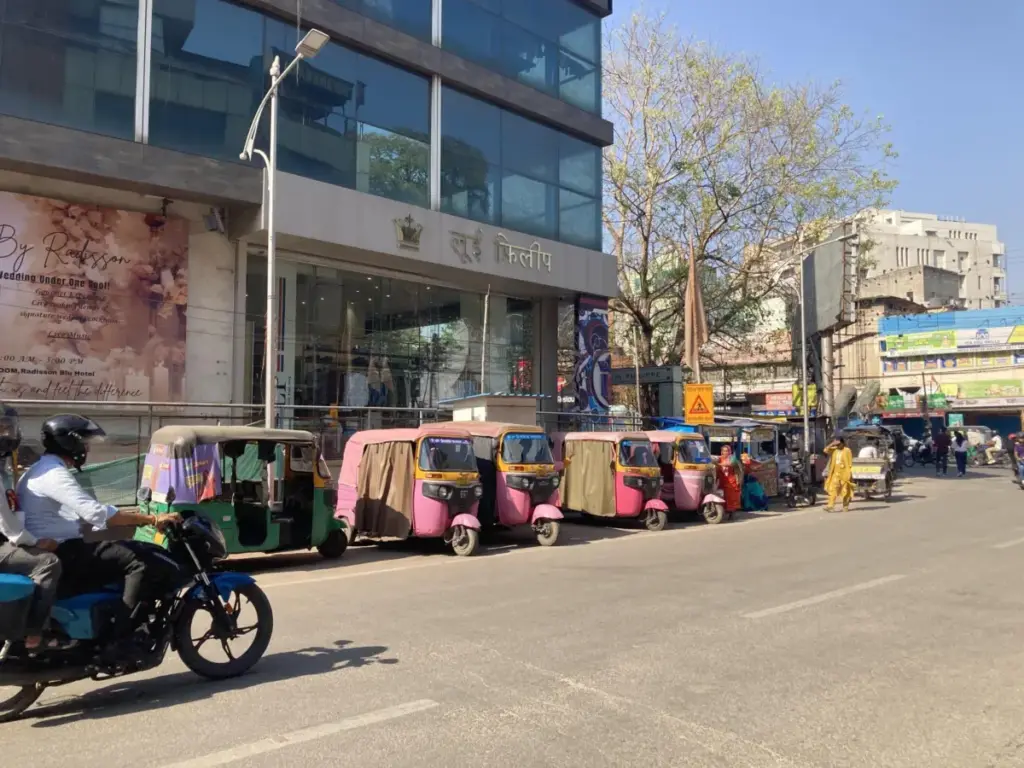
Ranchi: Suman Devi watched me photograph the pink auto and remarked that people frequently come here to capture pictures because the bright, vibrant color fascinates them, yet very few ever bother to understand the grueling struggles of the women who drive them.
For the casual observer, the fleet of brightly painted three-wheelers adds a splash of color to the bustling streets of Jharkhand’s capital. But beneath this surface-level aesthetic lies a narrative of institutional neglect, systemic indifference, and an uphill battle for basic human dignity. Twelve years after the initiative was first introduced with grand promises of safety and empowerment, the reality on the ground for Ranchi’s women auto drivers remains starkly grim.
The pink auto scheme was originally launched in Jharkhand back in 2013 in the wake of the nationwide outrage surrounding the Nirbhaya case. It was conceived as a targeted intervention to address growing women’s safety concerns in urban transit while simultaneously fostering female economic empowerment. The government rolled out the initiative by introducing two hundred specially designated vehicles equipped with modern safety features, including panic buttons and a global positioning system (GPS).
However, the implementation faltered almost immediately. When only a handful of women initially signed up for the scheme—hindered by societal pressures, lack of awareness, and initial structural hurdles—authorities appointed men to drive the remaining vehicles. Today, out of the initial grand rollout, Ranchi is left with roughly forty operational pink autos, and the core structural situation has barely shifted in over a decade.

For the women who took up the steering wheels, the daily routine is characterized by a glaring absence of basic infrastructure and municipal support. Their designated auto stand is nothing more than an open, unpaved patch of land running alongside a busy road, plagued by litter, dust, and a complete lack of shade. There is no protective shelter, no functional lighting for evening hours, and not even a simple bench to sit on during long, exhausting shifts under the punishing sun.
Worse still, the drivers report a persistent lack of respect from local authorities and traffic management. When a VIP motorcade or political procession passes through the area, the women are routinely pushed out, unceremoniously ordered to pack up and relocate their vehicles. Meanwhile, male auto drivers enjoy properly designated lanes, recognized stands, and a baseline of operational security.
“We sit here in the sun and rain,” said Reena, a veteran driver at the stand, capturing the collective exhaustion of the workforce.
While the drivers struggle for basic recognition, women commuters consistently express a deep sense of relief and safety when traveling in these vehicles. Kiran Tirkey, a local college student, noted that she actively prefers traveling with women, particularly after dark.
“I feel at ease when there are only women around me. I do not like being in a closed space with unknown men. The fear of being touched inappropriately or the auto taking a wrong route is real. My parents feel relieved when I travel with a woman driver,” Tirkey explained.
The necessity for such secure transit options is underscored by stark local realities. According to recent police data, twenty-two rape cases were reported in Ranchi in March 2025 alone, illustrating a deeply troubling environment regarding urban safety for women. For many female commuters, the pink autos represent a vital lifeline through an otherwise perilous cityscape.
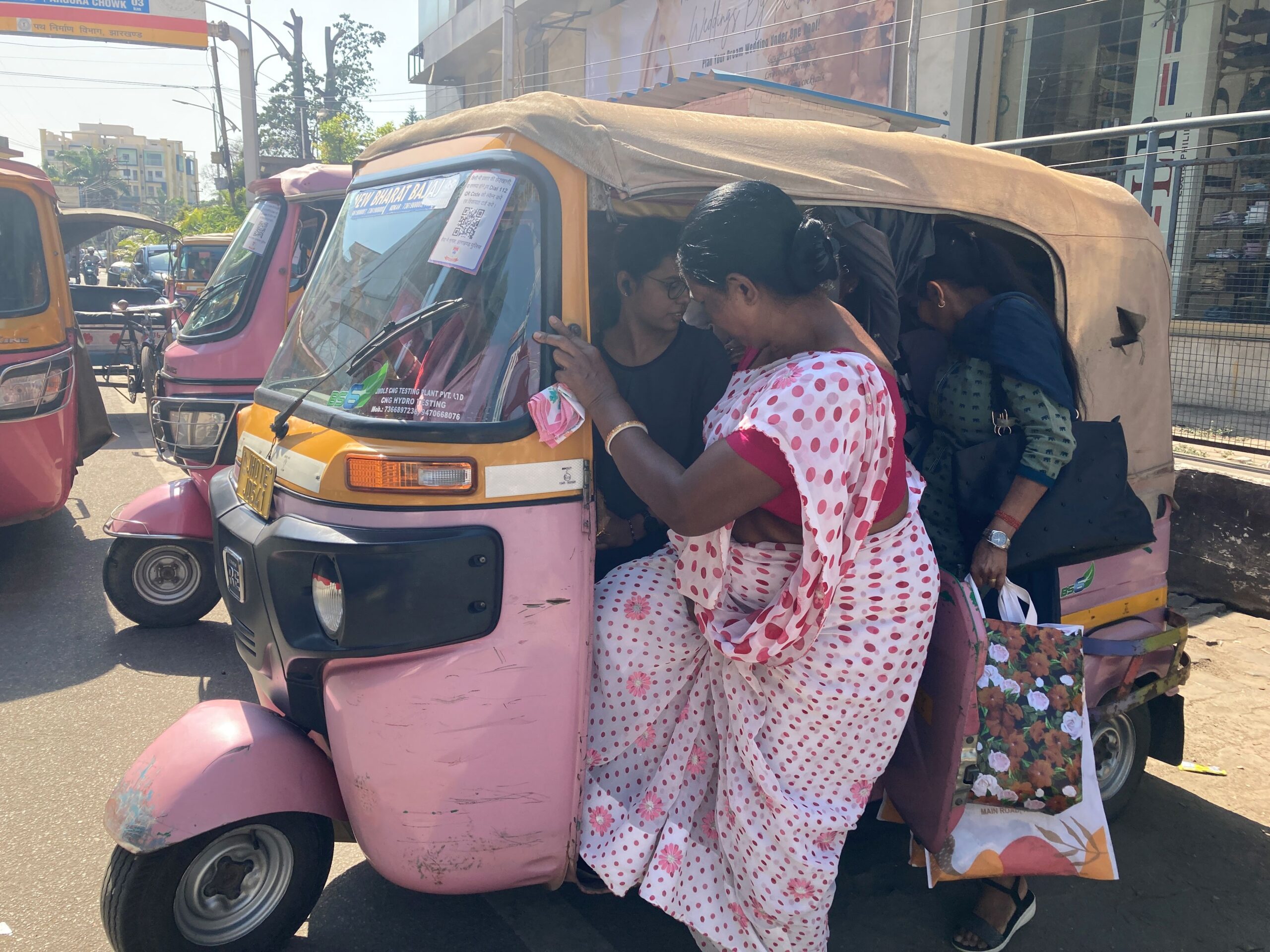
Echoing this sentiment, Shabana Perveen, another frequent commuter, stated that she would always rather share an auto with women because it provides an unmatched level of comfort and peace of mind during her daily commutes.
Yet, this demand for safe transit exists in sharp tension with the harsh professional environment the drivers must navigate. While commuters feel secure, the drivers themselves face daily harassment, intimidation, and economic squeezing from male counterparts on the road.
“Our income has gone down. It has become difficult to run a household. Men often take away our customers. At work, we deal with them, and at home, we deal with unemployed, drunk husbands. Some women also choose male autos because they feel jealous that we earn,” said thirty-five-year-old Shobha Kindo, detailing the multi-layered pressures she faces daily.
Despite the pervasive hostility, many of the drivers exhibit fierce defiance. Suman Devi told TwoCircles that intimidation has simply become a standard part of the job.
“I am not afraid of the men. I have been dealing with them for ten years. They try to make us feel small, but they are really afraid that we will take their jobs. As a widow, I raised my children alone. I know how to face bullies,” Devi asserted.
Perhaps the single most pressing and indignifying problem faced by the drivers is the absolute lack of sanitation facilities.
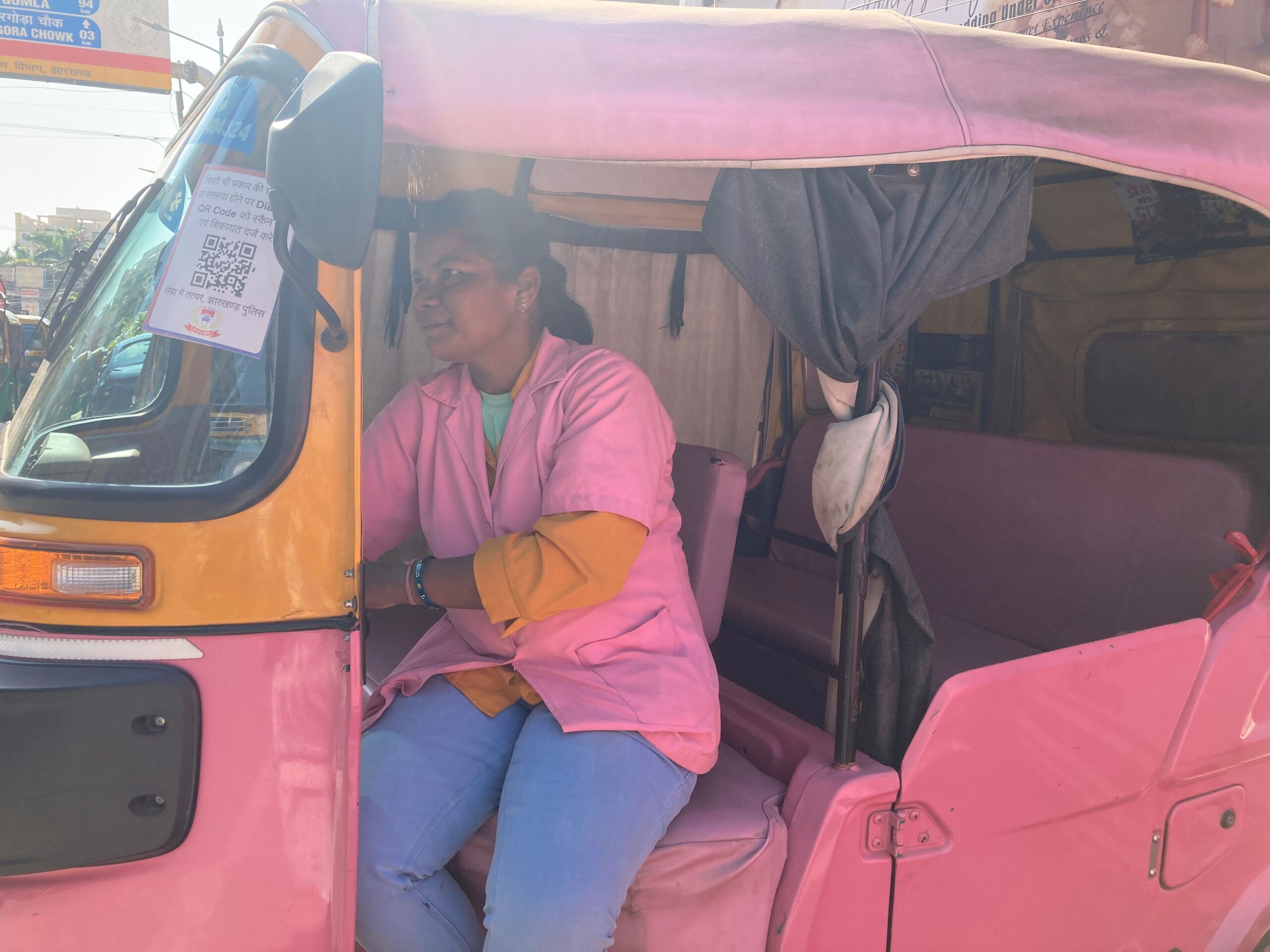
“It has been twelve years, and the government has not built a single toilet for us,” Reena said.
Left with no viable alternatives, the drivers are frequently forced to relieve themselves in nearby overgrown bushes. While a public washroom structure exists near their makeshift station, it remains permanently locked. According to the drivers, the facility was opened precisely once—on the single day it was officially inaugurated—and has remained shut ever since.
Dinesh Soni, president of the Jharkhand Pradesh CNG Auto Chalak Association, confirmed that the transport unions have repeatedly written to municipal authorities and government officials requesting basic amenities.
“We have raised the demand for a clean toilet, but have never received any response. The government does not listen. We are paying toll tax, but for what?” Soni asked, adding that the union has even submitted formal appeals directly to the Chief Minister’s office without eliciting a single reply.
Unlike their counterparts in states like Tamil Nadu—where women auto drivers are organized under structured cooperative unions that can collectively bargain for their rights—the women in Ranchi operate in isolated individualism.
“We do not work under any union. We bought our own autos and drive independently. Had we been in a union, we would have put up our demands. We have complained to reporters, to the police, and to officials, but nothing changes,” said Gudia, who has been driving a pink auto for more than a decade. She added that no non-governmental organizations have stepped forward to champion their cause, leaving most of the women largely unaware of formal legal rights or accessible grievance redressal platforms.
Reflecting on her personal journey, Gudia recalled that her husband initially hesitated to let her enter the profession, but eventually extended his support after she insisted on achieving financial self-sufficiency. Today, she proudly funds her daughter’s education at an English-medium boarding school through her earnings.
“I miss her every minute, but I want a better life for her. I walked so that my daughter could run,” Gudia said.
Many of her colleagues share similarly arduous backstories, having entered the profession after escaping abusive domestic relationships, low-paying exploitative jobs, or simple, grinding poverty in an effort to survive.
Despite the systemic obstacles, the lack of infrastructure, and the daily friction on the streets, the drivers steadfastly refuse to abandon hope. When asked what specific changes they would demand if granted a direct platform with policymakers, their priorities remained practical and rooted in basic dignity: permanent, protected auto stands; clean and accessible public washrooms; active protection from harassment by male drivers; and official recognition or modest financial support from the state government.
“We do not want favours,” Reena concluded. “We just want basic facilities, a proper space to park, and an open public washroom.”