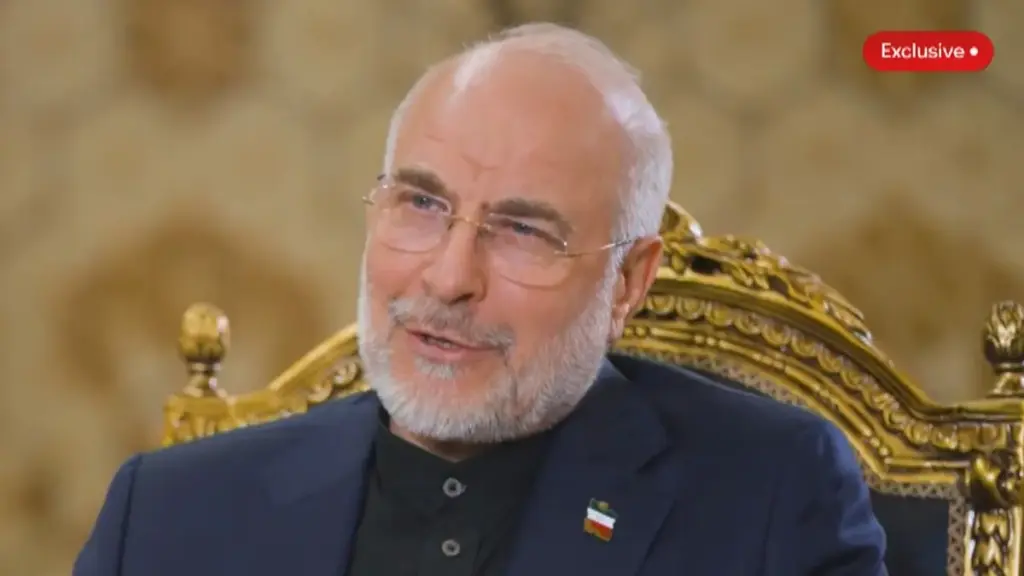
Iran is open to reaching a diplomatic arrangement with the United States, provided that Washington refrains from making excessive demands and actions that erode mutual trust, according to Mohammad Bagher Ghalibaf, Iran’s chief negotiator and senior political figure.
In an exclusive interview broadcast by Al Jazeera on November 12, 2026, Ghalibaf outlined Tehran’s current perspective on potential diplomatic engagements with the United States. His remarks signal a conditional willingness from the Iranian leadership to pursue dialogue, while simultaneously drawing a firm red line against conditions that Tehran views as unreasonable or infringements upon its national interests.
The interview sheds light on the complex dynamics currently shaping foreign policy and potential diplomatic channels between the two nations. Throughout the discussion, Ghalibaf emphasized that while Iran has consistently shown a pragmatic approach toward negotiations, any meaningful progress remains contingent on the behavior and policy posture adopted by the United States.
According to the Iranian chief negotiator, the primary obstacle to fruitful diplomatic engagement has been a persistent lack of trust, which he attributes directly to Washington’s approach in past and present dealings. Ghalibaf asserted that for any diplomatic framework to succeed, the United States must actively refrain from actions that generate suspicion and distrust. He specifically stressed that Tehran would refuse to yield to what he characterized as excessive demands from the American side.
The stance articulated by Ghalibaf reflects a long-standing position within Iran’s political establishment regarding international negotiations. Tehran has frequently maintained that while it is prepared to participate in diplomatic processes to resolve long-standing disputes, it will not accept terms dictated under pressure or conditions that compromise its sovereignty and fundamental strategic posture. By reiterating this message through a major international network, the Iranian leadership aims to frame its diplomatic boundaries clearly for both domestic audiences and international observers.
The timing of these remarks comes as international attention remains focused on the fragile state of relations between Washington and Tehran. Diplomatic efforts involving Iran and Western powers have experienced numerous cycles of friction, stagnation, and occasional breakthroughs over the years. Ghalibaf’s statements indicate that while the door to diplomacy is not entirely closed from Tehran’s perspective, the onus rests on Washington to alter its approach if it wishes to foster an environment conducive to a lasting agreement.
As chief negotiator, Ghalibaf plays a pivotal role in shaping and articulating Iran’s official positions on international affairs and diplomatic outreach. His commentary provides valuable insight into the internal calculations guiding Tehran’s foreign policy, balancing a declared readiness for engagement with a steadfast refusal to bow to external pressure. Whether these conditional parameters will influence future diplomatic maneuvering between the United States and Iran remains to be seen as both nations continue to navigate their complex and tense bilateral relationship.