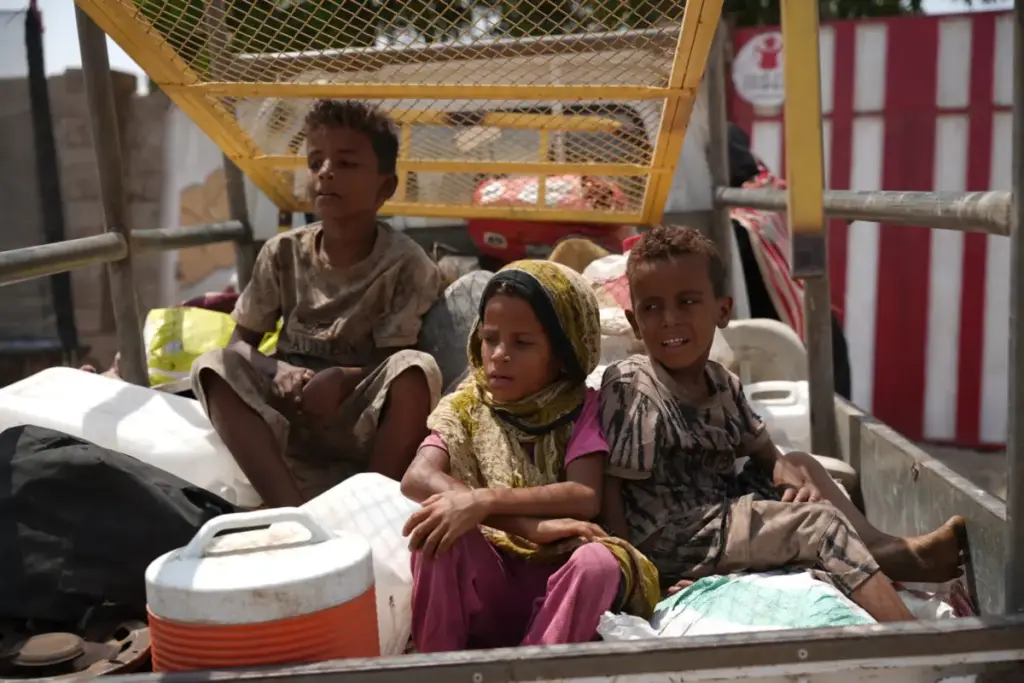
Civilians trapped inside the heavily besieged Yemeni city of Taiz are facing a desperate, escalating struggle to survive as supplies of food, medicine, and clean water run critically low, according to warnings issued by the international humanitarian organization Islamic Relief. Aid workers on the ground report that every single day the military siege continues places countless more civilian lives in immediate, grave peril, prompting urgent appeals for immediate and unhindered humanitarian access to the urban center.
An estimated 1 million to 1.5 million people currently reside within Taiz, which stands as the third-largest city in Yemen. This vulnerable population includes tens of thousands of internally displaced individuals who previously fled their homes in other parts of the country to seek refuge from the relentless conflict. However, vital commercial and humanitarian supply routes leading in and out of the city have been largely blocked for the past month. As missiles continue to rain down upon residential areas, hunger and preventable diseases are spreading rapidly among the trapped populace.
The blockade has triggered severe market distortions and catastrophic inflation. The price of essential food items has surged by more than 50 percent due to acute scarcity, driven primarily by the restricted movement of goods through the blockaded supply lines. For numerous families in Taiz who were already grappling with emergency levels of chronic hunger prior to the recent escalation, these soaring costs have made basic sustenance entirely unaffordable.
Compounding the nutritional crisis, the situation regarding public health and sanitation has deteriorated at an alarming rate. The cost of trucked water supplies has tripled, placing clean drinking water completely out of reach for impoverished households. Consequently, clean water scarcity has forced residents to consume unsafe water from compromised sources. Coupled with the complete breakdown of local sanitation systems and uncollected waste piling up in the streets, cholera is now spreading rapidly throughout the city, threatening a full-scale public health disaster.
Displaced families sheltering within Taiz are among the most poor and vulnerable sectors of the population. Many of these individuals have been displaced multiple times, forced to pack up and move repeatedly as they fled the advancing front lines of the multi-sided conflict that has torn the nation apart. The broader escalation of fighting across southern Yemen has forced more than 300,000 people to flee their homes over the past few months alone. The vast majority of these newly displaced people lack adequate cash, food, shelter, water, and sanitation facilities to sustain themselves in their temporary surroundings.
Saaid Omar, the Islamic Relief Country Director for Yemen, painted a grim picture of the realities on the ground, emphasizing that the city has transformed into the primary focal point of the nation’s suffering.
"Taiz has become the epicentre of the crisis and every day the siege goes on risks more civilian deaths," Saaid Omar stated. "Conditions in the city are getting worse every day. Food, medicine and clean water are running out, and cholera is spreading as waste piles up in the streets and people have no choice but to drink unsafe water. The price of basic supplies is rapidly rising out of reach for most people. We urge the international community to increase pressure on warring parties and get aid and essential supplies into Taiz."
In response to the deteriorating conditions, Islamic Relief is issuing an urgent call to all parties actively engaged in the conflict to fulfill their obligations under international humanitarian law. The organization demands that all belligerents act to protect civilian populations and actively facilitate safe, rapid, and unimpeded humanitarian access to the besieged city. Furthermore, Islamic Relief is calling upon international governments and global donors to dramatically step up financial support and humanitarian assistance, specifically targeting displaced families and collapsing local public services.
Islamic Relief brings decades of operational experience to the region, having worked continuously in Yemen for over 28 years. Amid the ongoing crisis, the organization is actively providing critical aid to vulnerable households across the Aden, Lahj, and Taiz governorates. Notably, the Taiz and surrounding areas currently shelter 88 percent of the region’s displaced families. In addition to direct food and material distributions, Islamic Relief is coordinating closely with other humanitarian agencies and local health facilities to mount an effective response aimed at containing and treating the rapid spread of cholera.