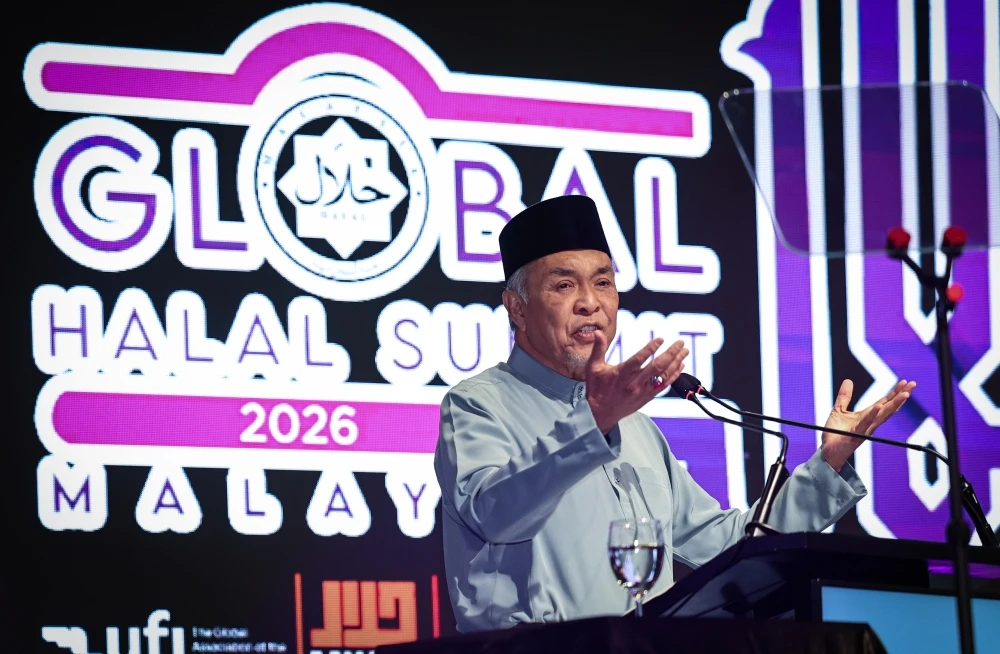
Every year, the Malaysia International Halal Showcase (MIHAS) serves as a monumental gathering point for thousands of businesses, international buyers, visionary investors, policymakers, and industry leaders from every corner of the globe. Yet, as the doors opened for its landmark 22nd edition, it quickly became apparent that MIHAS 2026 was charting an entirely different course. The event transcended the traditional boundaries of a standard trade exhibition displaying consumer goods. Instead, it delivered a profound, forward-looking glimpse into the rapid evolution of the global halal economy—showcasing an ecosystem that is becoming increasingly digitalized, deeply committed to sustainability, tightly woven into international networks, and remarkably relevant to commercial enterprises operating far beyond conventional Muslim-majority markets.
Hosted from September 23 to 26, 2026, at the sprawling Malaysia International Trade and Exhibition Centre (MITEC) in Kuala Lumpur, this year’s showcase firmly reinforced Malaysia’s preeminent position as one of the world’s most influential and advanced halal trade hubs. The high-profile event was masterfully organized by the Malaysia External Trade Development Corporation (MATRADE), operating under the auspices of Malaysia’s Ministry of Investment, Trade and Industry (MITI), under the resonant theme “Shaping Trust, Driving Resilience.”
The final economic and attendance figures paint an exceptionally robust picture of the event’s growing magnitude. MIHAS 2026 generated a staggering RM6.78 billion in total sales, marking an impressive 12% surge compared to the RM6.05 billion recorded during the previous year and comfortably surpassing the initial target of RM5 billion. Furthermore, the exhibition drew a record-breaking 69,104 visitors hailing from 93 countries—representing the highest attendance numbers since the inception of MIHAS back in 2004. Exhibitors and participants engaged in the International Sourcing Programme (INSP) represented 58 countries, vividly demonstrating the broad international reach and universal appeal that the showcase now commands on the global stage.
However, industry analysts and trade experts agree that the true significance of MIHAS 2026 extends far beyond these impressive financial milestones. The greater narrative lies in what these record-breaking outcomes reveal about the structural transformation and future trajectory of the international halal landscape.
MIHAS 2026 at a Glance
For stakeholders tracking the pulse of international trade, the core metrics of the 22nd edition highlight its unprecedented scale:
- Event: Malaysia International Halal Showcase (MIHAS) 2026
- Edition: 22nd Annual Event
- Dates: September 23–26, 2026
- Location: Malaysia International Trade and Exhibition Centre (MITEC), Kuala Lumpur
- Organiser: Malaysia External Trade Development Corporation (MATRADE)
- Theme: “Shaping Trust, Driving Resilience”
- Sales Generated: RM6.78 billion
- Visitors: 69,104 attendees from 93 countries
- Exhibitors and INSP Participants: Representing 58 countries
- INSP Contribution: RM4.02 billion
Why MIHAS 2026 Matters for Malaysia
Malaysia has spent decades methodically building and refining one of the most comprehensive and respected halal ecosystems in the world. Through robust regulatory institutions, globally recognized certification standards, proactive trade promotion initiatives, and steadfast government backing, the nation has successfully anchored itself as a linchpin of the global halal architecture.
Nevertheless, MIHAS 2026 made it abundantly clear that Malaysia’s strategic ambitions now reach far beyond merely functioning as a primary producer and exporter of halal-certified goods. The country is deliberately positioning itself as an all-encompassing, sophisticated halal business ecosystem—a dynamic environment where international enterprises can seamlessly access advanced supply chains, specialized financial services, cutting-edge technological infrastructure, and strategic regulatory insights.
This calculated shift is critically important for the broader economic landscape. The future of the global halal economy will not be dictated solely by who manufactures products, but rather by which nations and institutions succeed in cultivating the most trusted, innovative, and internationally interconnected business ecosystems.
The Halal Economy Is Moving Beyond Food
One of the most definitive and recurring themes emerging from the exhibition halls of MIHAS 2026 was the realization that halal is no longer confined to the traditional boundaries of food and beverages. The modern, expanding halal economy now encompasses a vast and diverse array of lifestyle, industrial, and service-oriented sectors.
This evolution directly mirrors shifting consumer expectations on a global scale. Today’s consumers increasingly seek out products and services that align not only with strict religious compliance, but also with rigorous standards of safety, ethical manufacturing, and overall well-being. This broader value proposition explains why the concept of halal has gained remarkable traction among corporate entities operating within non-Muslim-majority markets. For numerous multinational enterprises, obtaining halal certification has evolved into a strategic commercial tool designed to penetrate lucrative new consumer demographics and fortify brand trust.
Business Matching: The Real Power Behind MIHAS
While large-scale trade exhibitions are frequently evaluated by their physical size, foot traffic, or booth counts, the genuine economic vitality of MIHAS is rooted in the high-value commercial relationships forged behind the scenes. The International Sourcing Programme (INSP) continues to serve as the beating heart of the event, acting as a powerful conduit that bridges ambitious local suppliers with discerning international buyers.
In 2026, the INSP component alone generated RM4.02 billion in targeted sales, emphasizing its pivotal role as a vital gateway connecting regional halal enterprises with lucrative international markets. For small and medium enterprises (SMEs), these structured business-matching sessions are particularly transformative. Many smaller businesses possess exceptional, high-quality products but traditionally struggle to breach overseas markets due to inherent limitations in export knowledge, marketing resources, and international distribution networks. MIHAS actively mitigates these barriers by facilitating direct introductions to global retail buyers, international distributors, and institutional partners. For countless companies, the most lucrative outcomes of the four-day event materialize not on the exhibition floor, but months or even years later through enduring partnerships forged during these curated meetings.
Technology Is Changing the Future of Halal Trust
Another defining pillar of MIHAS 2026 was the accelerating integration of advanced technology into the halal value chain. As global supply chains grow increasingly intricate—frequently involving raw materials sourced in one nation, processing in a second, packaging in a third, and final distribution across multiple continents—maintaining unbroken halal integrity demands unprecedented levels of transparency and verification.
MIHAS 2026 heavily underscored the growing reliance on modern technological solutions to secure these complex pathways. By positioning the event as an AI-enabled trade platform, MATRADE successfully demonstrated how artificial intelligence and digital data analytics can optimize business matching, allowing companies to pinpoint international trade opportunities with remarkable efficiency. The overarching message communicated throughout the exhibition was definitive: the future of the halal economy will rely just as heavily on technology-powered trust and verifiable transparency as it does on traditional physical certification.
Sustainability and Halal Are Coming Together
Sustainability emerged as yet another critical narrative driving discussions and exhibitions at MIHAS 2026. Across international markets, corporations, institutional investors, and consumers are placing an unprecedented emphasis on environmentally responsible practices, ethical supply chain governance, and social accountability.
The philosophical and operational alignment between halal principles and global sustainability objectives is becoming increasingly apparent. Core tenets deeply embedded within the halal framework—such as environmental stewardship, fiduciary responsibility, transparency, and ethical business conduct—parallel global sustainability targets naturally. This synergy presents exceptional commercial prospects for forward-thinking enterprises capable of seamlessly blending halal compliance with sustainable innovation. Companies that successfully master this synthesis are uniquely positioned to capture the loyalty of modern, conscientious consumers and investors alike.
What MIHAS 2026 Means for Global Halal Businesses
For enterprises operating outside of Malaysia, the overarching takeaway from MIHAS 2026 is unmistakable: the global halal economy represents one of the most compelling and resilient growth frontiers of the coming decade. Companies eager to capitalize on this expanding market are advised to monitor several critical structural shifts.
First, the marketplace has decisively transcended Muslim-majority borders, with surging demand taking root across diverse populations in Asia, Europe, Africa, and the Americas. Second, verifiable trust and absolute transparency have emerged as paramount competitive advantages; firms that can transparently prove authenticity will consistently command stronger market positions. Third, continuous innovation, digital adoption, and sustainable operational practices will ultimately separate future industry leaders from their competitors. Finally, collaborative partnerships are more vital than ever, as long-term success increasingly depends on harmonious cooperation between manufacturers, regulatory authorities, financial institutions, technology developers, and international distributors.
Ultimately, MIHAS 2026 reaffirmed that the global halal economy has entered a mature, highly sophisticated phase of development. For Malaysia, the event cemented its standing as an indispensable international trade anchor, while for global businesses, it unlocked vital pathways toward sustainable international expansion. More than just a showcase of certified products, MIHAS 2026 delivered a resounding reminder that the modern halal framework is built upon a universal foundation of trust, uncompromising quality, ethical integrity, and forward-thinking innovation—proving definitively that the future of halal business belongs to those who understand that value is measured not just by what is sold, but by the enduring trust built along the way.