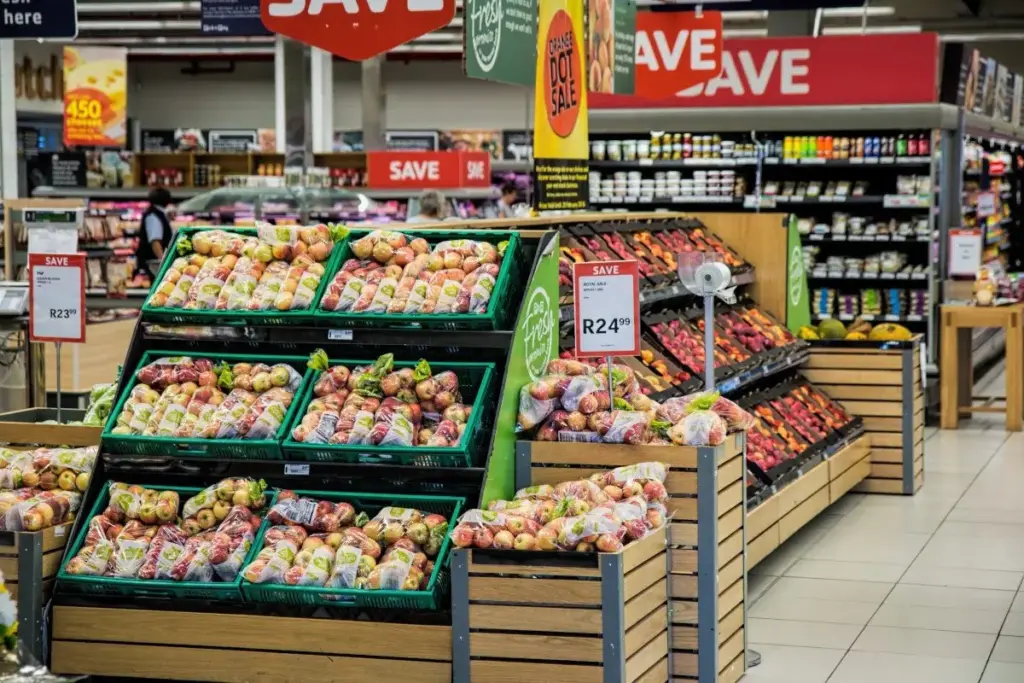
The global halal food market has long since expanded past its religious boundaries, driven largely by mainstream consumers who purchase these products simply because they are available on supermarket shelves. Whether picked up off a grocery store display, selected from a restaurant menu, or integrated into a weekly meat order—often bearing no overt religious labeling at all—halal items have found a permanent place in the shopping carts of non-Muslim consumers worldwide. When these shoppers actively choose halal products, academic research shows their decisions are typically guided by perceived quality, cleanliness, familiarity with diverse cuisines, and an overlap with clean-label or ethical food trends. At the same time, animal welfare concerns present a complex picture, cutting both ways in consumer decision-making.
Understanding this dynamic is critical because the economic footprint of the halal food sector extends far beyond its core demographic. Muslim consumers spent an estimated $1.53 trillion on food and beverages in 2024, a figure projected by the State of the Global Islamic Economy Report 2025/26 to reach $2.06 trillion by 2029. Backed by Pew Research Center figures indicating the global Muslim population reached roughly two billion people—or 26 percent of the world’s population—the baseline market is immense. Yet, these figures do not account for the significant cohort of non-Muslim shoppers purchasing the exact same goods.
This secondary consumer group ultimately determines whether a brand seeking halal certification remains a niche product or breaks into the mainstream market. For food manufacturers, major meat packers, and prominent retailers operating across the United States, Europe, and Australia, these consumer habits directly influence foundational business choices: whether to pursue formal certification, whether to display the halal logo prominently on packaging, and how to navigate potential backlash if a customer campaign turns against the designation.
Despite the commercial significance of non-Muslim buyers, no official statistics measure their exact spending in any single country. Instead, analysts rely on indirect evidence, including national slaughterhouse data, proprietary company estimates, and academic consumer surveys, each of which comes with distinct limitations.
The strongest indirect measure originates in Britain. Data from the Food Standards Agency’s 2022 slaughter sector survey revealed that during a single survey week in March 2022, 72.3 percent of all sheep slaughtered in England and Wales were processed using the halal method. By comparison, Office for National Statistics census data showed that Muslims made up 6.5 percent of the population in England and Wales in 2021. While a portion of that lamb is exported, the wide gap between the two figures strongly suggests that many non-Muslim households in Britain regularly consume halal-slaughtered meat, frequently without realizing it.
Brand-level estimates point toward a similar trend in North America. Adnan Durrani, founder of the U.S. frozen-food brand Saffron Road, estimated in a 2020 interview that roughly 85 percent of his company’s consumers are not traditional halal consumers or American Muslims. While distributed across tens of thousands of grocery stores nationwide, including thousands of major retail locations, these figures represent corporate estimates rather than independently audited data, highlighting the broader challenge of quantifying mainstream market penetration.
Academic research into non-Muslim halal buyers consistently demonstrates that consumers who possess a baseline familiarity with halal food are generally receptive to it. Furthermore, individual attitudes and social circles serve as much stronger predictors of purchase intent than religious knowledge. The bulk of this academic literature originates in Malaysia and Singapore, where non-Muslim populations live in close proximity to Muslim majorities or sizable minorities.
Researchers examining these markets have found that urban shoppers frequently link halal products to food safety and environmental friendliness. Studies conducted across Malaysia, Singapore, Canada, Spain, and the United Kingdom highlight that cosmopolitan consumers tend to judge halal products much more favorably, whereas ethnocentric consumers or those with strong national identification view them with greater skepticism. Additional studies in Indonesia and Malaysia confirm that personal attitudes and perceived behavioral control heavily influence purchase intentions, though researchers frequently caution that most academic samples are relatively small or rely on student demographics, measuring stated intentions rather than actual retail purchases. Peer-reviewed research examining non-Muslim halal buyers in the United States remains comparatively sparse.
An analysis of these consumer trends points to five primary drivers behind non-Muslim halal purchases: availability, perceived quality, ethical overlap, familiar cuisine, and price.
Availability serves as the most powerful baseline driver. Many non-Muslims purchase halal products simply because a supplier, restaurant, or retailer made that the default option. In the United Kingdom, the high volume of halal sheep processing illustrates this reality. A similar dynamic unfolded in France when a major burger chain converted a subset of its restaurants to entirely halal-only menus. Every customer walking through the doors of those specific branches consumed halal meat, regardless of their personal background. Similar patterns emerge across North America when major big-box retailers stock halal poultry, lamb, and ready-to-heal meals alongside conventional offerings, making them easily accessible to any passing shopper.
Perceived quality, cleanliness, and regulatory oversight represent a second major driver. Mainstream shoppers often interpret a halal logo as an indicator of enhanced inspection and hygiene. While Malaysian shoppers in early studies associated halal certification with food safety, independent research does not establish that halal food is objectively safer than conventional food. Halal certification strictly audits compliance with Islamic dietary laws, such as the exclusion of pork and alcohol and adherence to specific slaughter practices. In countries like the United States, government oversight applies uniformly; the Federal Meat Inspection Act requires all commercially sold meat to be thoroughly inspected and passed by federal food safety authorities regardless of religious status.
Instead of elevated safety, certification provides a documented and transparent chain of custody. Certifiers audit ingredients, supply chains, and production lines, creating a verifiable paper trail that appeals to cautious consumers, though the rigor of these audits varies widely depending on the certifying body.
The third driver involves a natural overlap with ethical and clean-label consumer claims. Halal products frequently intersect with attributes that mainstream shoppers actively seek, such as antibiotic-free meat, organic certification, or non-GMO ingredients. When brands position themselves in high-end natural food stores, consumers may select the product primarily for its antibiotic-free status while receiving a certified halal product concurrently. This frequent overlap makes it challenging for market researchers to isolate the exact motivation behind a purchase.
Taste, cuisine, and cultural familiarity form the fourth pillar of non-Muslim spending. A substantial portion of non-Muslim expenditure on halal products is essentially spending on ethnic cuisines, including Middle Eastern, South Asian, Turkish, Malaysian, and North African dishes. Street food carts, urban kebab shops, and specialized food stalls cater to diverse populations, fostering a familiarity effect where consumers who enjoy international flavors view halal ingredients more favorably.
Price operates as the weakest driver among mainstream consumers. Comprehensive parliamentary inquiries, such as an extensive review conducted by Australia’s Senate Economics References Committee, concluded that third-party halal certification does not measurably increase retail food prices, as administrative costs for large manufacturers remain minimal. For most packaged goods, halal status remains price-neutral, though specialized fresh meat products in niche markets may see varying pricing structures.
Amid these positive commercial trends, animal welfare remains the single most contentious issue surrounding halal food, serving simultaneously as a motivation for some buyers and a deterrent for others. Some non-Muslim consumers purchase halal products under the impression that traditional slaughter rules are inherently more humane, while others actively avoid them because certain halal meat processing methods do not incorporate pre-slaughter stunning.
Academic analyses of public policy submissions in countries like Australia reflect this deep division, with a significant percentage of respondents raising animal welfare concerns. However, the operational reality of stunning is more nuanced than public debates often suggest. The 2022 Food Standards Agency survey in England and Wales found that the vast majority of cattle and a significant share of meat chickens processed under halal standards were stunned prior to slaughter, whereas a larger proportion of sheep were processed without stunning. Islamic scholars and certifiers remain divided on the theological compatibility of stunning, with some accepting reversible methods that do not kill the animal before the cut, while others reject any form of pre-slaughter stunning.
These divergent welfare perspectives have increasingly translated into public policy and regulation. Courts in Europe have upheld the legal authority of member states to mandate reversible stunning before religious slaughter, while parliamentary committees in other Western nations have periodically debated mandatory labeling for meat derived from religious slaughter processes.
Beyond policy debates, some non-Muslim consumers have organized active opposition campaigns against halal products, demonstrating that a halal logo can alienate certain segments of the consumer base just as easily as it attracts others. Documented campaigns in Australia and France highlight instances where food companies faced intense social media pressure, forcing some to temporarily or permanently drop their halal certifications to protect their broader brand reputation. Academic studies examining consumer ethnocentrism reinforce these findings, noting that shoppers with a strong national identification or ethnocentric outlook tend to view halal products negatively, suggesting that brands must carefully evaluate their target demographic before adopting the label.
For food brands navigating these complex dynamics, market evidence indicates that halal certification generally broadens market reach without incurring prohibitive costs, though deciding whether to display an on-pack logo requires careful strategic planning. The optimal labeling choice depends heavily on the specific product category, the target market, and the brand’s visibility to activist campaigns.
Brands primarily targeting Muslim consumers or specialty ethnic retail aisles often utilize halal as a prominent front-of-pack claim, while mainstream brands seeking to quietly accommodate Muslim shoppers may opt for a discreet certifier mark on the back or side of the packaging. Other manufacturers choose to maintain halal certification exclusively for export markets or food service distribution without placing retail logos on consumer-facing packages. Alternatively, pairing halal status with broader clean-label claims like organic or antibiotic-free production allows brands to appeal simultaneously to intersecting consumer segments.
Ultimately, food manufacturers must carefully select certifiers whose credentials hold international recognition in their target export markets, while clearly communicating their processing standards—including their specific policies on animal stunning—to address consumer inquiries and maintain transparency.