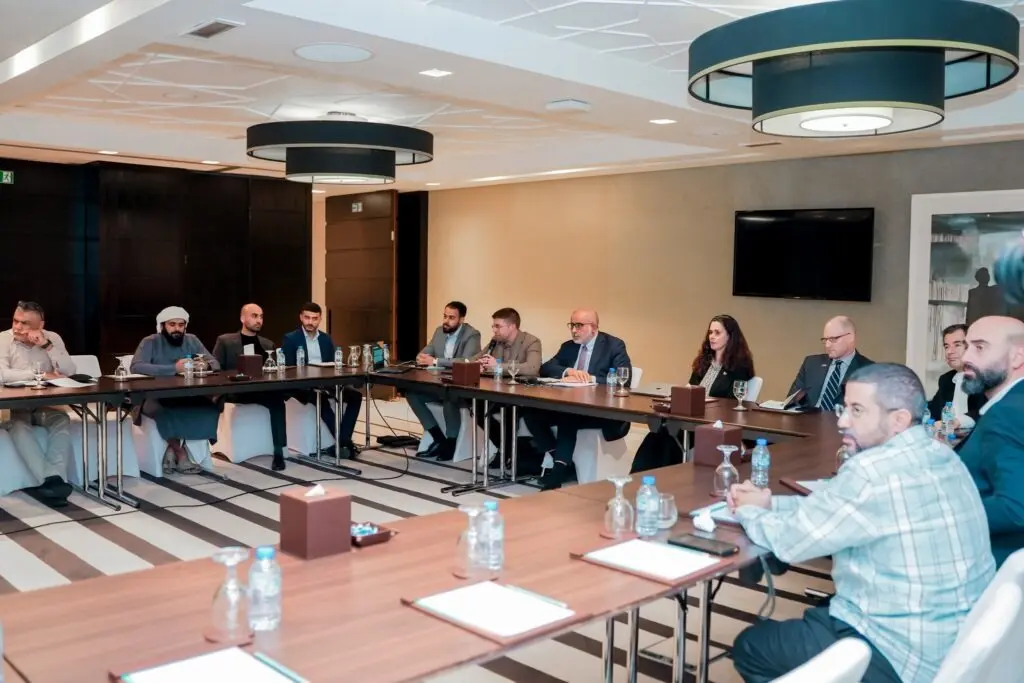
In an era defined by the rapid acceleration of artificial intelligence and its pervasive integration into daily life, questions surrounding institutional accountability, ethical governance, and human oversight have never been more urgent. Addressing these pressing concerns directly, Kalam Research & Media (KRM) recently hosted a high-level academic workshop in collaboration with Canada’s University of Guelph. Entitled “Humanities, Artificial Intelligence, and the Future of Responsibility,” the collaborative event served as a critical intellectual forum, bringing together a diverse assembly of specialists in philosophy, computer science, and institutional leadership to engage in rigorous, multidisciplinary dialogue on the ethical dimensions of emerging technologies.
The gathering was designed to move beyond narrow technical evaluations of machine learning and algorithmic performance, steering the conversation instead toward how the development of artificial intelligence can be proactively directed to serve humanity at large and strengthen public trust in increasingly automated institutions. By bridging the traditional divide between the humanities and the hard sciences, the workshop fostered an environment where foundational philosophical inquiries met cutting-edge computer science, creating a holistic approach to the future of digital responsibility.
Digital Wisdom
A central highlight of the academic program was a compelling lecture delivered by Dr. Joshua August Skorburg, Associate Professor of Philosophy at the University of Guelph. Speaking under the theme “Digital Wisdom,” Dr. Skorburg invited attendees to reconsider the conventional frameworks that typically govern technological ethics. He drew a sharp and illuminating distinction between mere compliance-based ethics—which often rely on rigid checklists, regulatory checkboxes, and minimalist adherence to legal standards—and an ethics deeply grounded in practical judgment and human discernment.
Expanding upon this philosophical foundation, Dr. Skorburg argued that building genuinely responsible artificial intelligence systems cannot be achieved through technical safeguards alone. Instead, it requires the deliberate cultivation of what he termed “institutional wisdom.” Such wisdom, he explained, is indispensable for navigating the profound complexities, ambiguities, and uncertainties inherent in modern digital environments. Organizations and developers must foster an institutional culture capable of making balanced, ethically sound decisions when faced with unprecedented moral dilemmas posed by autonomous technologies, ensuring that human values remain at the helm of digital innovation.
Responsible Data Mining
Shifting from philosophical theory to technical execution, Dr. Louisa Anthony, Assistant Professor of Computer Science at the University of Guelph, delivered a detailed presentation on the theme of “Responsible Data Mining.” Dr. Anthony addressed a fundamental truth often overlooked in commercial software development: that ethical responsibility in artificial intelligence does not begin when an algorithm is deployed, nor even during the phase of model training. Rather, true accountability must be embedded much earlier in the developmental lifecycle—specifically at the foundational stages of data collection, linkage, definition, and evaluation.
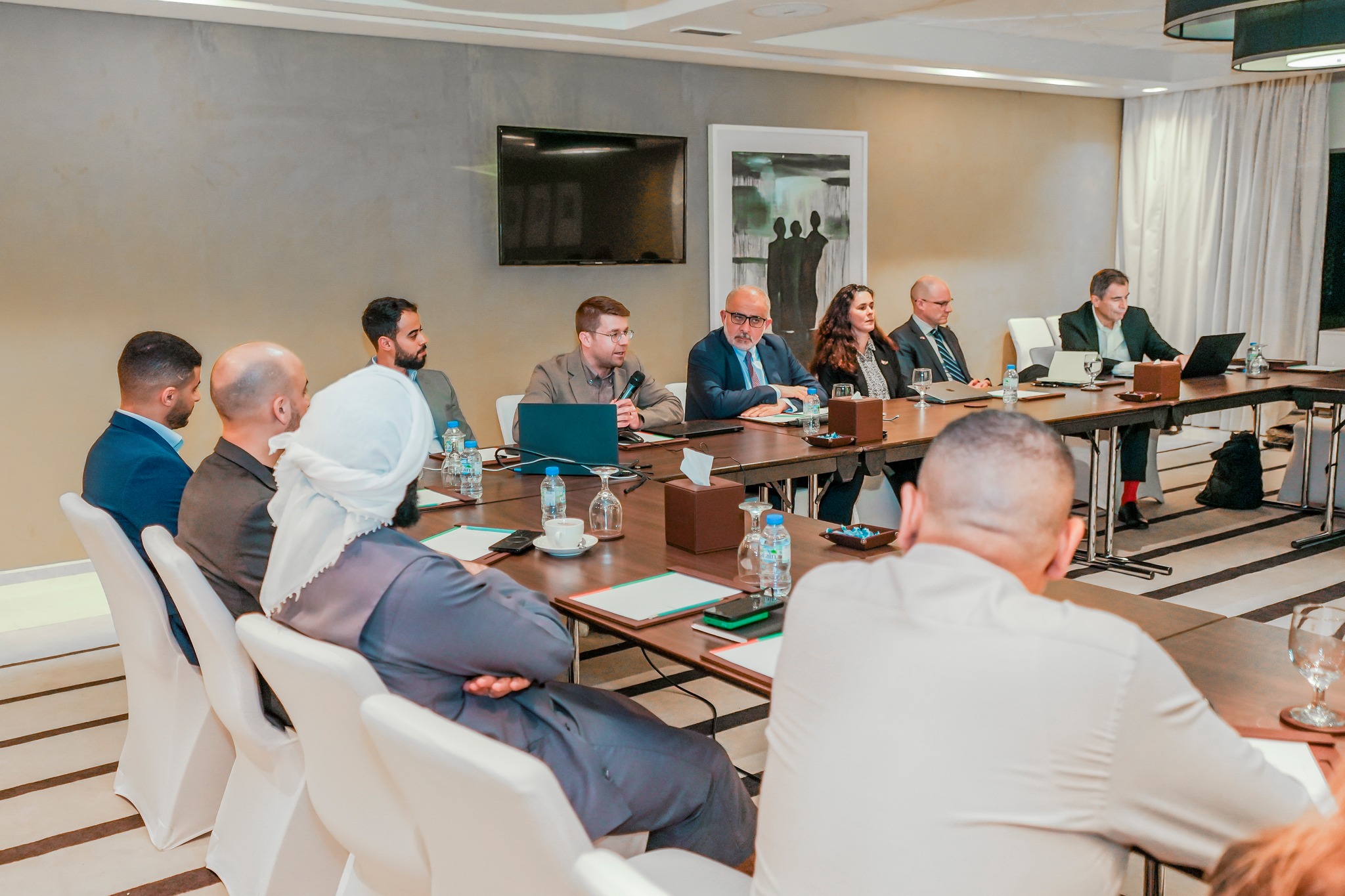
During her session, Dr. Anthony emphasized the critical importance of designing data pipelines that are inherently auditable and accountable from their inception. Because machine learning models learn directly from the datasets they ingest, any historical biases, structural inequalities, or flaws present during the initial data gathering phase will inevitably be magnified and codified by the algorithm. By advocating for rigorous scrutiny and transparent methodologies at every step of data curation, Dr. Anthony provided participants with a concrete technical roadmap for aligning algorithmic systems with foundational standards of fairness and transparency.
Toward a Responsible Future
Bringing the day’s multidisciplinary threads together, Prof. Aref Ali Nayed, Chairman of Kalam Research & Media, moderated an engaging and comprehensive closing discussion. This final session successfully bridged the gap between the philosophical insights articulated by Dr. Skorburg and the technical methodologies presented by Dr. Anthony, synthesizing abstract ethical concepts with concrete engineering practices.
In his concluding remarks, Prof. Nayed emphasized that the future of artificial intelligence cannot and must not be built upon a foundation of technical efficiency alone. He asserted that raw computational power, speed, and optimization are insufficient guarantors of a flourishing society. Instead, the trajectory of artificial intelligence must be guided by enduring wisdom and profound institutional responsibility, ensuring that technological advancement marches in lockstep with human dignity and the common good.
The successful execution of this academic workshop forms an integral part of Kalam Research & Media’s broader, ongoing mission to foster continuous, meaningful dialogue between the humanities and emerging technologies. By convening leading thinkers from diverse disciplines, KRM continues to champion the development of practical ethical frameworks that actively contribute to building a more just, equitable, and human-centric digital future for generations to come.