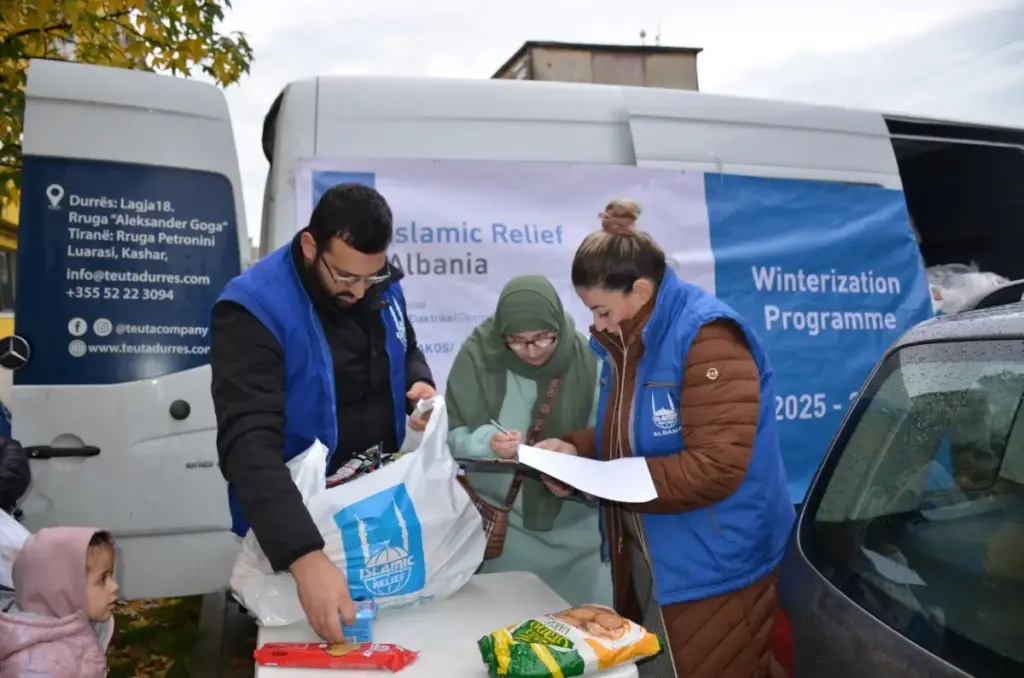
As winter tightens its grip across regions spanning from the Middle East to Eastern Europe, vulnerable families find themselves confronting a devastating dilemma. In displacement camps, impoverished towns, and weathered homes, parents and caregivers are increasingly forced to make an impossible choice: whether to spend their scarce resources on keeping their children fed or keeping them warm.
For many living on the margins, the arrival of winter does not simply mean a change in weather; it marks the onset of a grueling struggle for survival. Storms and plummeting temperatures expose the deep vulnerabilities of households that are often ill-equipped to withstand severe weather, particularly in areas where housing is primarily designed to cope with scorching summers rather than freezing blizzards.
Amid these harsh conditions, international humanitarian efforts, including programs run by organizations like Islamic Relief, strive to bridge the gap. Through winterisation initiatives, aid agencies provide critical supplies such as blankets, warm clothing, heating materials, and food packs. However, the scale of need remains immense, with thousands of families relying entirely on external assistance to make it through the coldest months of the year.
Voices from the Camps: The Human Cost of Freezing Winters
In a displacement camp located in East Mosul, Iraq, Umm Khaled understands the brutal reality of winter better than most. A widow who has suffered the tragic loss of much of her immediate family, she now bears the sole responsibility of raising her orphaned granddaughter.
Life inside their tent is defined by severe deprivation. The makeshift shelter lacks electricity and basic household necessities, leaving them entirely exposed to the elements. For Umm Khaled, the coldest months bring a profound sense of physical and emotional exhaustion.
"I pray to Allah that the winter ends soon; we suffer the most severe types of oppression and pain because of these harsh, cold days," she reflects, capturing the desperation shared by countless displaced individuals living in substandard shelters across the region.
For months, assistance from organizations like Islamic Relief has provided a vital lifeline. Deliveries of relief baskets, foam mattresses, and blankets have offered a measure of comfort, but the provision of heating materials marked a transformative turning point for her household.
"You are the ones helping us," Umm Khaled says. "Thanks be to God, after you provided us with heating materials, my daily suffering has greatly eased, and the heater now works all day."
Despite such interventions, the challenge of sustaining vulnerable households through the winter remains a monumental task for humanitarian workers operating in conflict-affected and economically depressed areas.
Families in Need Are Being Forced to Choose Food or Fuel
The struggle against winter hardship is not confined to displacement camps; it extends deeply into towns and communities across Eastern Europe. In Albania, families contending with economic instability face similar trials as inflation drives up the cost of basic living expenses.
Jetmira, a widow living in Albania, relies on a combination of support from Islamic Relief and the modest pensions of her mother and aunt to cover her household’s needs. Yet, soaring food prices mean that providing nutritious meals has become an increasingly difficult challenge. Much of the family’s limited income is inevitably diverted toward medical bills rather than sustenance.
Jetmira’s primary concern centers on her four-year-old daughter, Ajsla. The young child suffers from weak immunity, a condition Jetmira believes has been exacerbated by chronic malnutrition.
"I think malnutrition has affected Ajsla’s weak immunity. Almost every month I take her to hospital with various viruses. All Islamic Relief sponsorship has been used only for her medication," Jetmira explains.
While Jetmira takes on odd jobs during the spring and summer months to generate additional income, winter strips away those opportunities while simultaneously increasing household expenses. The drop in temperatures brings worsening health conditions for the family, transforming the winter season into the most difficult period of the year.
For Jetmira, the support she has received extends far beyond material goods. It represents a psychological and emotional anchor during a time of profound vulnerability.
"It’s not just in-kind help, it’s more, it’s spiritual, psychological, and emotional healing," she shares. "Alhamdulillah, thanks go to Allah SWT, the charitable donors, and you. I remember the day you came to my house; it was not long after my husband had passed away. I am infinitely grateful that you came in and stood like sunshine for us, warming our hearts and homes on our coldest days."
Give Warmth, Save Lives
The geographical vulnerability of families across the Middle East and Asia compounds the dangers of winter. Residential structures in these regions are frequently engineered to provide relief from intense summer heat, leaving residents acutely exposed when temperatures drop below freezing and severe storms or blizzards strike.
To address these seasonal crises, humanitarian organizations deploy targeted winterisation programs designed to safeguard the most at-risk populations. These efforts focus heavily on providing essential items that prevent hypothermia and illness among children, the elderly, and families living in poverty.
Data from recent operational cycles highlights both the scale of the challenge and the reach of relief efforts. During the 2025/26 winter season, Islamic Relief delivered essential supplies to over 89,322 individuals across 19 countries. In addition to general winter aid, the organization’s winter food drive in 2025 coincided with the holy month of Ramadan, enabling the distribution of 7,300 food packs that reached more than 21,000 people.
Looking ahead, the operational targets reflect the growing scale of need. For the 2026/27 period, humanitarian agencies aim to assist approximately 142,402 people who are facing harsh winter conditions without adequate shelter or resources.
The standard components of annual winterisation programs include blankets, warm clothing, food supplies, and various forms of heating materials, ranging from traditional firewood and wood stoves to kerosene and olive pomace. Increasingly, humanitarian organizations are also utilizing cash assistance as a flexible tool. Direct financial support allows families the autonomy to purchase what they need most locally, whether that means paying household heating bills or securing specific medical supplies.
As temperatures continue to fall in regions impacted by displacement, economic hardship, and conflict, the continuation of these relief efforts remains critical. Humanitarian organizations emphasize that sustained contributions from donors are essential to shielding vulnerable families from the bitter cold and preventing preventable tragedies during the winter months.