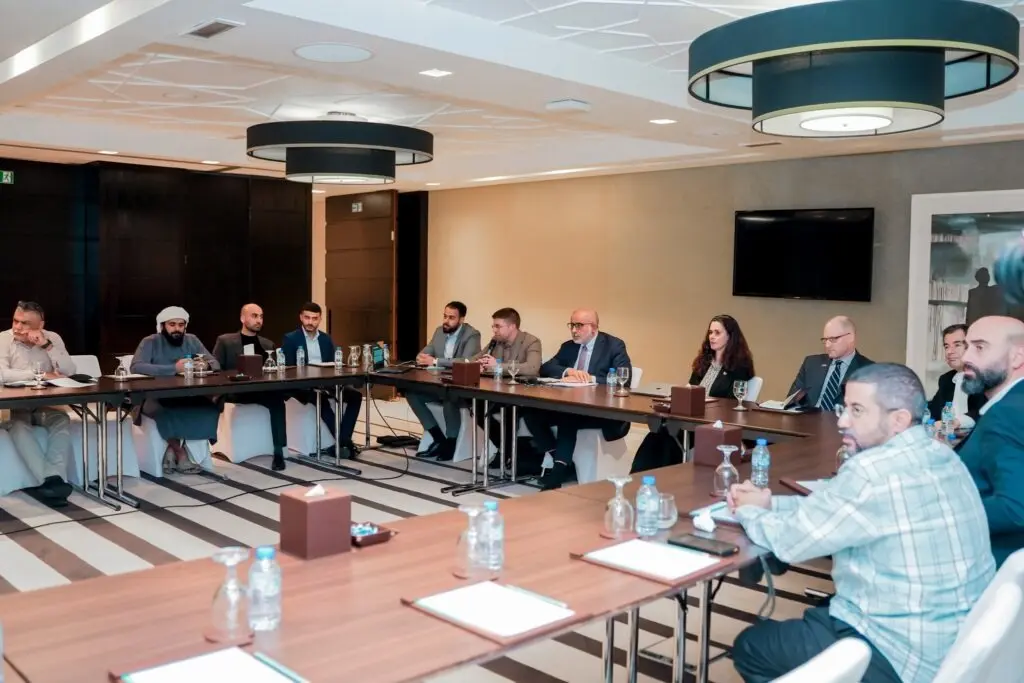
In an era defined by the rapid acceleration of artificial intelligence and its pervasive integration into daily life, questions surrounding institutional accountability, human values, and ethical governance have taken center stage. Addressing these pressing concerns, Kalam Research & Media (KRM) recently hosted a high-level academic workshop in collaboration with the University of Guelph, Canada, entitled “Humanities, Artificial Intelligence, and the Future of Responsibility.”
The international academic event convened a diverse assembly of specialists spanning philosophy, computer science, institutional leadership, and intellectual development. The gathering served as a collaborative forum for rigorous, interdisciplinary discourse regarding the ethical and structural dimensions of artificial intelligence. By bringing together technical experts and humanists, the workshop sought to explore proactive pathways to ensure that the ongoing development of emerging technologies actively serves humanity, respects human dignity, and strengthens vital pillars of public trust.
The intersection of artificial intelligence and the humanities has become an urgent area of study. As algorithms increasingly influence decision-making processes across government, finance, healthcare, and education, society faces complex moral dilemmas that code alone cannot resolve. The collaboration between Kalam Research & Media and the University of Guelph underscored the necessity of transcending traditional disciplinary silos, merging the analytical precision of computer science with the deep reflective wisdom of philosophical inquiry.
Digital Wisdom
At the heart of the workshop’s philosophical explorations was a compelling lecture delivered by Dr. Joshua August Skorburg, Associate Professor of Philosophy at the University of Guelph. Taught under the title “Digital Wisdom,” Dr. Skorburg’s presentation challenged conventional approaches to technology regulation by examining the fundamental distinction between mere compliance-based ethics and a more robust ethical framework grounded in practical judgment.
Dr. Skorburg argued that modern regulatory models often rely heavily on checklists and box-ticking compliance, which fail to capture the nuanced realities of dynamic digital environments. Instead, he proposed that building genuinely responsible artificial intelligence systems requires the cultivation of what he termed “institutional wisdom.” According to Dr. Skorburg, this form of wisdom is essential for navigating conditions characterized by high complexity and persistent uncertainty. It enables organizations and technologists to make balanced, morally sound decisions when faced with unprecedented computational challenges, moving beyond the superficial adherence to rules toward a deeper, culturally and socially grounded sense of responsibility.
The discussion surrounding digital wisdom resonated deeply with the diverse audience of scholars and institutional leaders, sparking conversations about how educational institutions and tech developers can instill these practical virtues within the next generation of engineers and policymakers. Rather than treating ethics as an afterthought or an external constraint imposed upon software development, Dr. Skorburg’s insights suggested that wisdom must be woven directly into the institutional fabric that governs technological innovation.
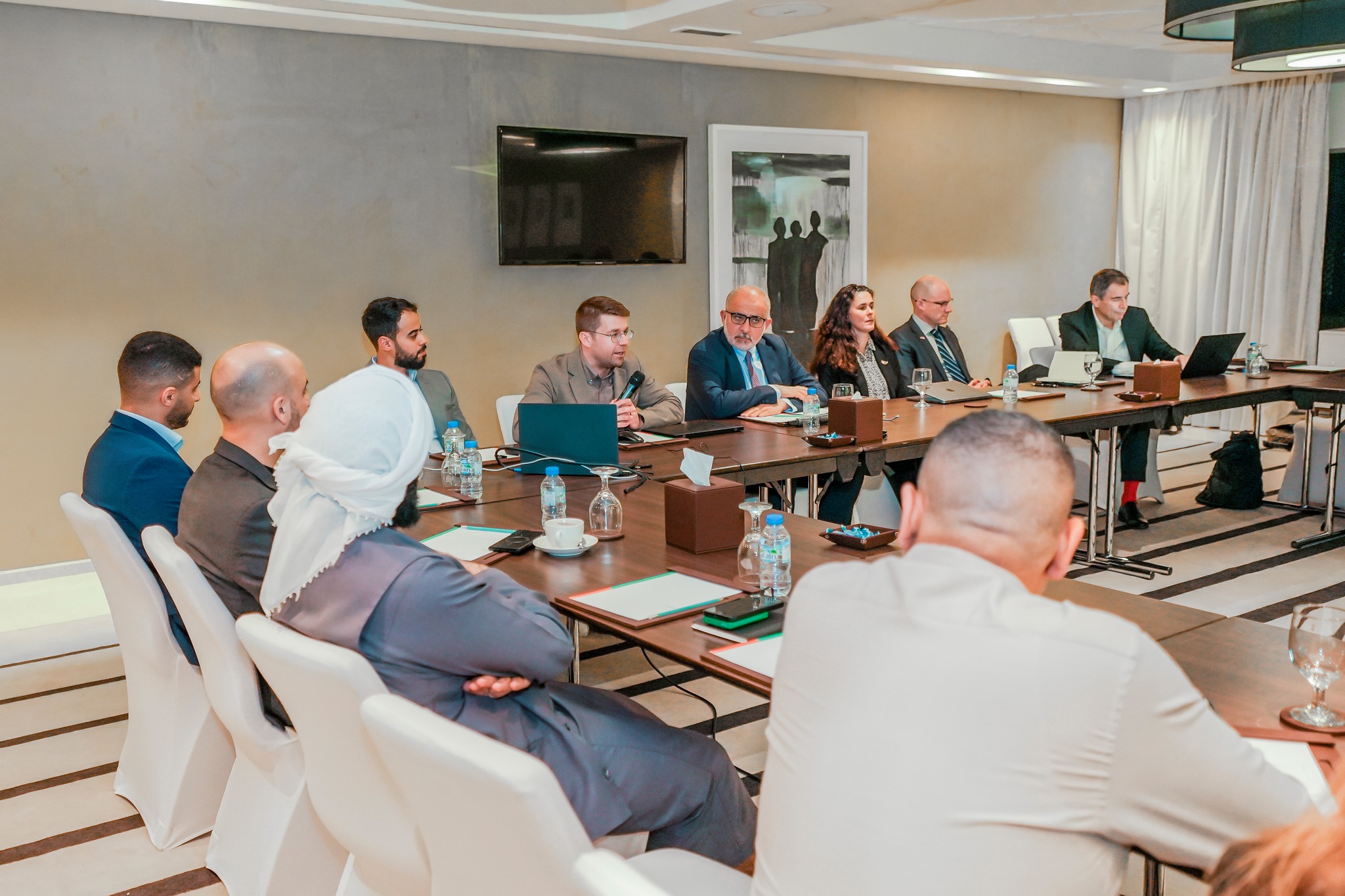
Responsible Data Mining
Shifting from the philosophical underpinnings of ethics to the empirical realities of software engineering, Dr. Louisa Anthony, Assistant Professor of Computer Science at the University of Guelph, delivered a comprehensive presentation on “Responsible Data Mining.” Dr. Anthony brought a vital technical perspective to the workshop, emphasizing that ethical responsibility in the digital age cannot begin after a system has been deployed or even after an algorithmic model has been finalized.
Instead, Dr. Anthony argued that ethical accountability must be integrated at the very inception of the technological pipeline—long before algorithmic model design begins. She meticulously outlined how critical ethical decisions take place during the early stages of data collection, data linkage, system definition, and ongoing evaluation. By examining the provenance and quality of data, developers can better identify potential biases, privacy violations, and systemic inequalities embedded within training datasets.
Furthermore, Dr. Anthony stressed the critical importance of designing data pipelines that are inherently auditable and accountable. In an era where many advanced machine learning models function as opaque black boxes, creating transparent pathways for data tracking is essential. Her presentation provided concrete technical concepts for how computer scientists can operationalize responsibility, ensuring that technical rigor and moral diligence go hand in hand throughout the lifecycle of data-driven systems.
Toward a Responsible Future
Bringing together the diverse threads of philosophical inquiry and technical implementation, the workshop concluded with a moderated closing discussion led by Prof. Aref Ali Nayed, Chairman of Kalam Research & Media. Prof. Nayed synthesized the insights shared by both the humanities and computer science specialists, offering a unifying vision for the trajectory of artificial intelligence governance.
During the session, Prof. Nayed emphasized that the future of artificial intelligence cannot and should not be built upon a foundation of technical efficiency alone. While computational power, speed, and optimization are vital for technological progress, they are fundamentally insufficient for creating a sustainable and humane digital ecosystem. He argued that true technological advancement demands a harmonious integration of wisdom, human-centric values, and rigorous institutional responsibility. The dialogue highlighted that machines can process data at unimaginable scales, but the responsibility for the outcomes generated by these systems rests squarely on human shoulders and the institutions they build.
This landmark academic workshop represents a significant milestone within Kalam Research & Media’s ongoing, long-term efforts to foster meaningful dialogue between the humanities and emerging technologies. By creating spaces where philosophers, computer scientists, and institutional leaders can engage in constructive exchange, KRM continues to champion the development of practical ethical frameworks. These initiatives are designed to guide technological innovation toward outcomes that contribute directly to a more just, equitable, and trustworthy digital future for societies around the globe.