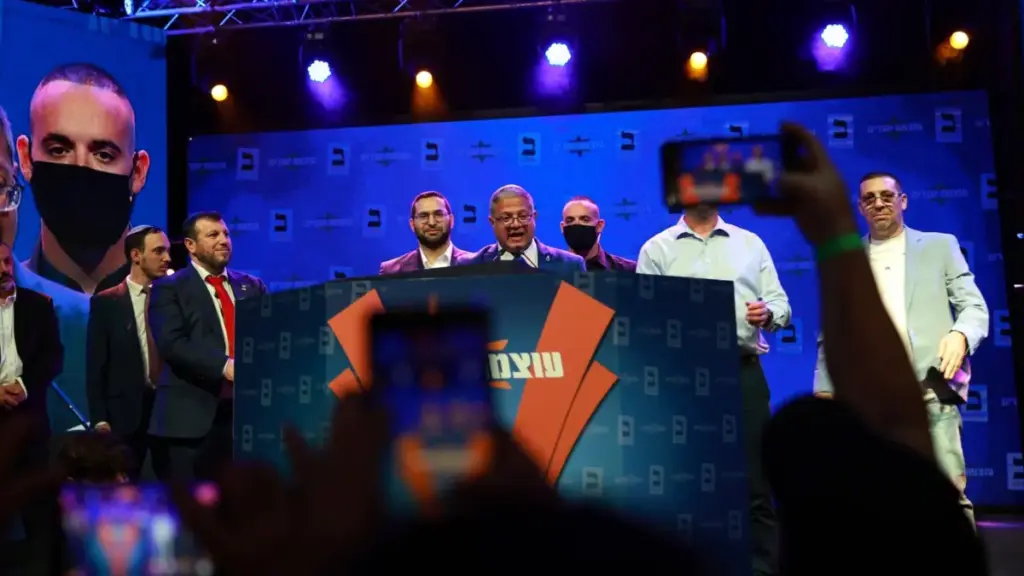
Itamar Ben-Gvir, the high-profile right-wing Israeli politician and leader of the Otzma Yehudit party, adopted a defiant stance during his first public remarks following the release of recent election polls. The survey results indicate that his party is projected to lose ground and surrender seats in the upcoming legislative layout, dealing a notable setback to his political standing. Despite the unfavorable numbers, Ben-Gvir remained unrepentant, addressing his supporters with a speech that doubled down on his controversial platform and past policy record.
Speaking to a crowd of loyalists, the right-wing leader chose not to temper his rhetoric or distance himself from the polarizing decisions that have defined his tenure in public office. Instead, Ben-Gvir expressed pride in what he framed as key achievements of his political career, explicitly highlighting his efforts regarding the demolition of Palestinian homes and the implementation of harsher conditions for Palestinian prisoners held within the Israeli penal system. The remarks underscored the hardline nationalist platform that has consistently attracted his base while simultaneously drawing sharp international and domestic criticism.
The political trajectory of Ben-Gvir and his Otzma Yehudit—or Jewish Power—party has been a focal point of recent Israeli politics. Known for his ultranationalist ideology, Ben-Gvir has long positioned himself on the outer edge of the country’s mainstream right, though his influence grew significantly in previous coalition governments. His policy focus has consistently centered on security matters, law enforcement, and territorial control, drawing intense debate over civil rights, international law, and the prospects for regional stability.
The projection that Otzma Yehudit is facing a decline in seat share marks a critical juncture for the party as it navigates the shifting dynamics of the Israeli electorate. Electoral polls, while subject to change ahead of the final vote count, often serve as an indicator of voter sentiment and public dissatisfaction or fatigue with specific political figures. For Ben-Gvir, the possibility of reduced representation in parliament threatens to diminish his direct leverage in future government formation talks, a role he has previously leveraged to advance his policy agenda.
Yet, rather than offering a conciliatory message aimed at broadening his electoral appeal, Ben-Gvir leaned into his core identity during his address. By proudly referencing the controversial demolition of homes in Palestinian communities—actions often criticized by human rights organizations and foreign governments as collective punishment or violations of international law—he sought to solidify his credentials as an uncompromising defender of Israeli security as he defines it. Similarly, his defense of toughened prison conditions resonated with supporters who favor a punitive approach toward security prisoners, even as international monitors and legal advocates raise concerns over adherence to humanitarian standards.
The response from his political base demonstrated that, despite the potential electoral setback reflected in the polls, Ben-Gvir’s hardline appeal remains potent among a specific segment of the population. The rally highlighted the deep political polarization within the country, where security policies and nationalist platforms remain deeply contentious issues. As the election cycle continues to unfold, the ability of Otzma Yehudit to mobilize voters and counter the downward trends indicated by the polls will remain a central storyline in the broader assessment of the political landscape.
For now, Ben-Gvir’s message is clear: he is standing by his record, rejecting any notion of political moderation, and framing the current electoral challenges not as a referendum on his policies, but as a battle for his nationalist vision. Whether this unyielding approach will arrest the decline in his party’s polling numbers or alienate crucial swing voters remains to be seen as the election draws closer.