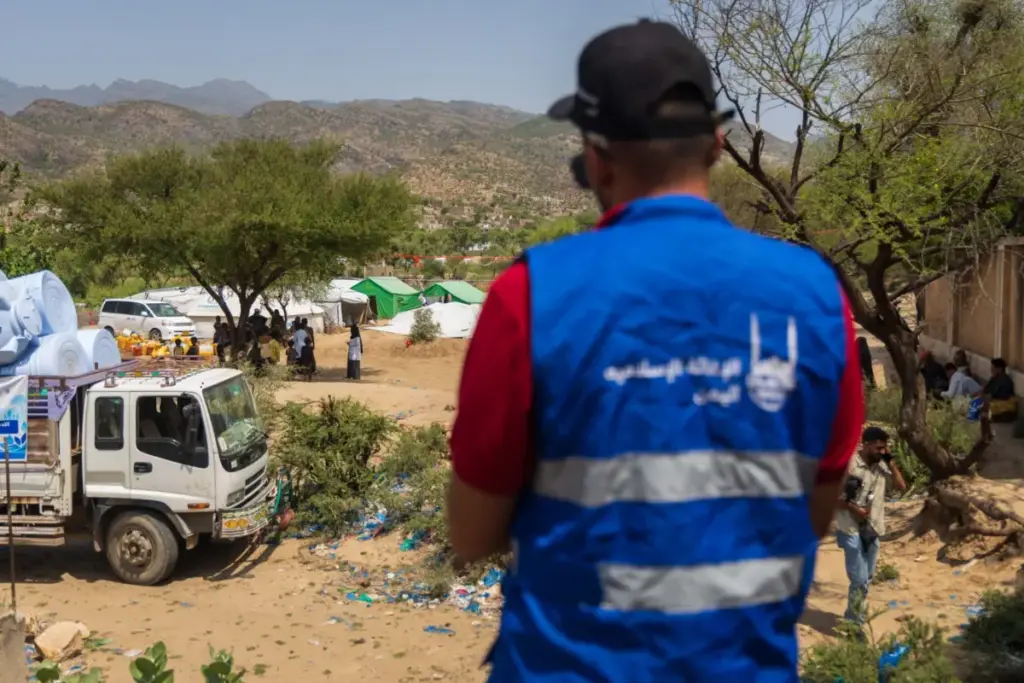
Cholera cases have tripled over the past three weeks in southern Yemen as ongoing conflict and widespread displacement continue to intensify, prompting aid agencies to issue an urgent warning that thousands of human lives are currently at severe risk. The combination of active fighting, a crippled healthcare infrastructure, and catastrophic living conditions in displacement sites has created a dangerous breeding ground for the rapid transmission of water-borne diseases.
The renewed escalation in fighting has forced over 200,000 individuals to flee their homes, driving them into heavily overcrowded and polluted temporary camps as well as alternative public shelters, including local schools and mosques. According to humanitarian assessments, approximately 40 percent of these displaced people completely lack access to safe and clean drinking water. Furthermore, one-third of the population in these makeshift sites do not have proper latrines or sanitation facilities, forcing desperate families to resort to open defecation. These deplorable conditions provide ideal environments for the proliferation of fatal water-borne pathogens, chief among them the bacteria responsible for cholera.
The unfolding outbreak has already claimed 27 lives this year, with approximately 2,000 new suspected cases recorded over the last four weeks alone. The crisis is heavily concentrated, with 94 percent of these infections located across five southern displacement-hosting governorates: Abyan, Lahj, Al-Dhale’e, Taiz, and Aden.
This dramatic surge in infections is heavily fueled by the near-total collapse of Yemen’s healthcare system, which has been battered by years of relentless warfare and a deepening economic crisis. At present, only around 60 percent of health facilities remain fully functional across these affected areas, and many of those that are technically open suffer from severe shortages of essential medicines, diagnostic tools, and trained medical personnel.
These grim developments come just weeks after Islamic Relief issued a public warning indicating that a major cholera outbreak was virtually inevitable unless humanitarian aid was scaled up rapidly to address the appalling conditions faced by displaced families.
Saaid Said Omar, the acting country director for Islamic Relief Yemen, described the current situation as an unmitigated disaster. He noted that the thousands of people who fled the conflict were already enduring severe shortages of food, adequate shelter, and basic security before facing the threat of a disease that can kill an infected human within just 24 hours. Omar emphasized that the outbreak comes as no surprise given that many displaced families are forced to rely on unprotected wells and contaminated surface water while sheltering alongside thousands of others in overcrowded sites completely devoid of proper sanitation services and latrines.
Highlighting the critical nature of the current juncture, Omar urged the international community to step forward, warning that this is a pivotal moment for Yemen. He stated that if the current crisis fails to receive sufficient international attention and vital funding, the broader humanitarian situation is bound to deteriorate significantly in the months ahead. He characterized the cholera outbreak as an early warning sign of a much wider catastrophe, stressing that international donors have a crucial opportunity to act immediately to prevent further loss of life, contain the disease, and protect vulnerable families before human needs completely overwhelm current response capacities. He added that Yemen simply cannot afford to endure another destructive cycle of delayed action.
In response to the escalating crisis, international aid agencies have ramped up cholera testing procedures in high-transmission zones across Abyan, Lahj, Al-Dhale’e, Taiz, and Aden. High positivity rates among those tested have confirmed active and aggressive community spread, prompting local specialist medical teams to mobilize in an effort to halt transmission chains.
Islamic Relief is actively coordinating its response, planning to procure essential medicines and maintain vital medical supplies to support hospitals in their fight against cholera in Taiz, Lahj, and Aden. These efforts run alongside collaborative operations with other humanitarian agencies dedicated to testing individuals for the infection and delivering life-saving aid to hundreds of other vulnerable displaced families living in dire circumstances.
Having maintained a continuous operational presence in Yemen since 1998, Islamic Relief implements a wide range of developmental and humanitarian projects designed to improve access to clean water and sanitation, strengthen sustainable livelihoods, support orphaned children, and provide rapid emergency relief in times of crisis. The organization works in close partnership with local non-governmental organizations and community-based partner networks across the country to deliver assistance where it is needed most.