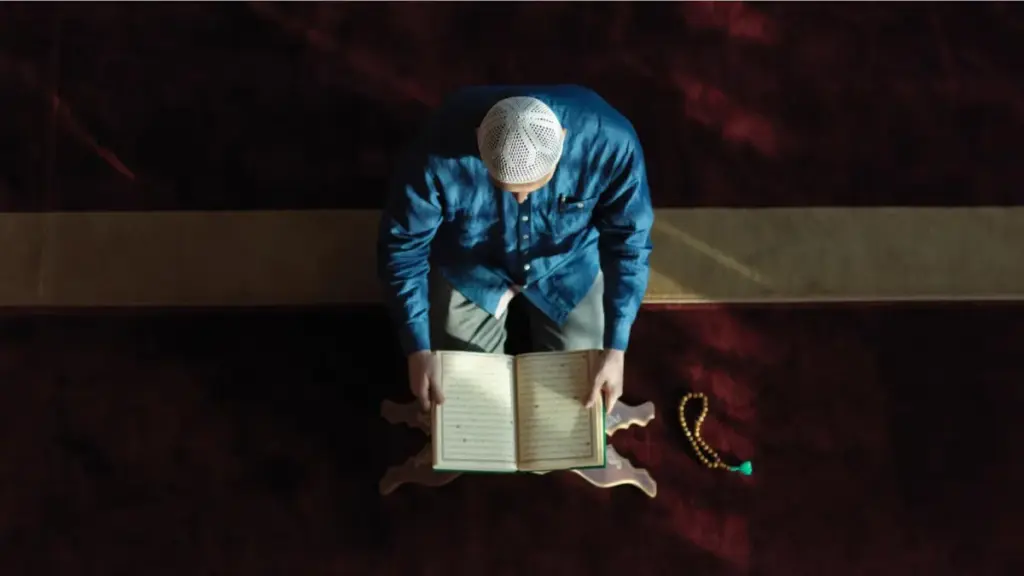
For many believers, engaging with the Holy Quran is a central pillar of spiritual life, yet achieving a truly immersive and interactive experience that captivates the inner self can sometimes present a challenge. While foundational methods of approach establish the basics of respectful reading, deeper spiritual frameworks continue to offer advanced dimensions for reflection. Building upon earlier discussions regarding the inner mechanics of reflection, scholars and spiritual commentators have outlined a series of profound psychological and spiritual shifts designed to transform how individuals experience the Divine text.
At the heart of this transformative approach is a fundamental shift in perception regarding the nature of the recitation process itself. Rather than viewing the act merely as the mechanical reading of printed Arabic text or the listening to a human voice, the reader is encouraged to cultivate an acute awareness of the Divine presence. This methodology moves beyond traditional pedagogical frameworks, focusing instead on internal spiritual alignment and the psychological immersion of the heart and mind in the words of the Creator.
Central to this immersive experience is the third major realization in the sequence of reflective recitation: the conscious acknowledgment by the reader that they are actively hearing from Allah. In the pursuit of involving one’s inner self, commentators emphasize the importance of mental projection—imagining oneself receiving the Quran directly from the ultimate Sender. Because the Divine essence remains unseen yet ever-present, and His literal speech is not perceived through physical auditory faculties in the mundane sense, the reader must consciously bridge this metaphysical gap.

By allowing the physical visual stimuli of the printed pages and the distinct acoustic tones of human reciters to recede into the background, the individual creates a mental space to move closer to the Speaker. This psychological and spiritual sensation is cultivated and immensely reinforced as the overarching consciousness of being directly in the Divine presence continues to mature within the reader’s heart.
Historical accounts preserved in classical Islamic literature illustrate the profound impact of this perspective. The renowned Islamic scholar Al-Ghazali, in his monumental work Ihya’ Ulum al-Din (The Revival of the Religious Sciences), documented the spiritual evolution of a seeker who struggled initially to find sweetness in his recitation. The individual described a progressive journey through distinct tiers of perception. At first, he read the Quran as if he were hearing it directly from Prophet Muhammad as he recited it to his companions. Moving beyond that stage, the seeker advanced to a deeper level, imagining he was hearing the recitation from the Angel Jibreel as he delivered the revelation to the Prophet. Ultimately, Allah elevated the seeker to a final, profound stage where he began reading the Quran as if he were hearing the words directly from the Speaker Himself.
According to spiritual authorities, experiencing this advanced level of perception imbues the reader with a deep sense of delight and sweetness, ultimately wrapping the inner self entirely in the spiritual embrace of the Quran.
The fourth dimension of this reflective framework involves recognizing the Quran as a direct, unmediated address. While historical context dictates that the text was revealed at a specific juncture in human history and has reached modern readers indirectly through generations of individuals, spaces, and times, its theological reality remains unchanged. The Quran is regarded by believers as the eternal word of the Ever-living Creator, possessing timeless validity and speaking directly to every human being across all eras.

By consciously setting aside these historical and physical intermediaries, the reader allows themselves to experience the text as a personal and collective communication tailored specifically to their own time and circumstances. This thought of direct reception acts as an anchor, keeping the reader’s heart completely seized and engaged by the passages unfolding before them.
Closely tied to this sense of direct address is the fifth principle: internalizing every single word of the Quran as being personally meant for the reader. If the text is eternally valid and addresses the contemporary individual directly, its contents cannot be viewed as distant historical accounts or abstract theological concepts. Instead, every verse—whether it presents a moral value, a societal norm, a historical narrative, a descriptive dialogue, a Divine promise, a stern warning, a clear command, or a strict prohibition—must be perceived as urgently and totally relevant to the reader’s personal life and immediate concerns.
This approach transforms the reading of the Quran from a passive ritual into a dynamic, living, and deeply meaningful encounter. While scholars acknowledge that translating ethical and legal messages intended for ancient societies into practical frameworks for modern lives can present intellectual and spiritual challenges, they maintain that sincere and dedicated effort makes this bridge entirely possible. Through these intentional shifts in consciousness, believers continue to seek a more vibrant, interactive, and transformative relationship with the sacred text.