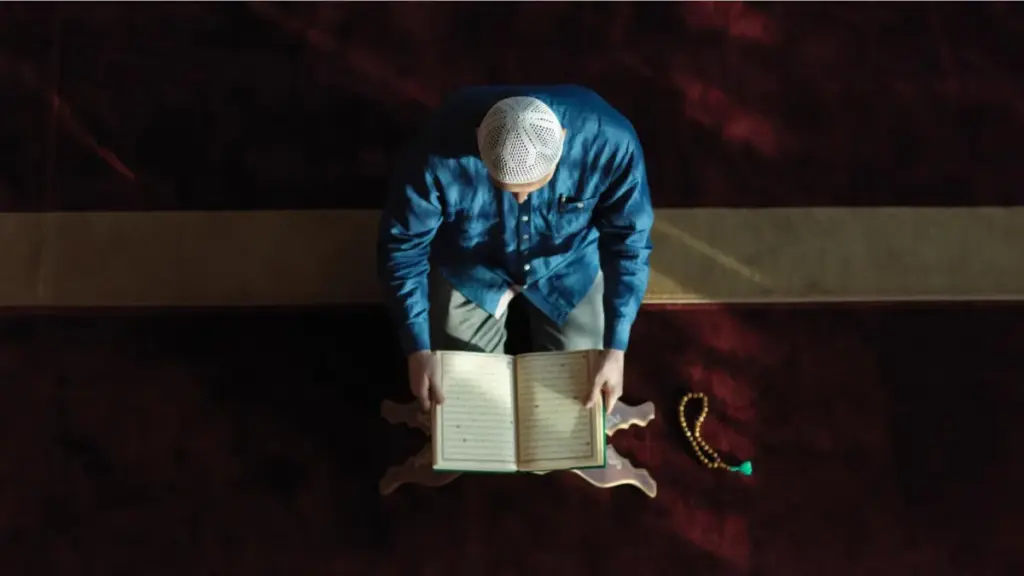
Achieving a rich, interactive experience of Quran recitation that deeply engages the inner self remains a central focus for spiritual reflection, according to recent insights shared on Islamic spirituality platforms. Following an initial exploration of foundational steps to connect with the text, scholars and commentators have expanded the discourse, offering further dimensions designed to transform routine reading into a profound, personal dialogue with the Divine.
The core objective of these teachings is to bridge the gap between the physical act of reading printed text and the spiritual reality of engaging with eternal divine discourse. Observers note that many individuals struggle to find sweetness or emotional resonance in their recitation, often treating it as a mechanical ritual rather than a living, breathing connection with the Creator. To overcome this spiritual barrier, contemporary reflections drawing upon classical Islamic scholarship, such as the works of Imam al-Ghazali, outline advanced mental and spiritual shifts that a reader can adopt.
Hearing from Allah
Central to this transformative approach is the mental framing that the reader is actively hearing the words directly from Allah. Because the Divine cannot be seen in this worldly life, and His literal voice is not heard in the conventional sense during silent or vocalized reading, individuals are encouraged to intentionally let the physical attributes of the experience recede. This means allowing the printed words on the page and the physical sounds of the reciter’s voice to fade into the background, clearing a path to move mentally nearer to the Speaker.

This concept finds historical resonance in the writings of Imam al-Ghazali in his monumental work, Ihya Ulum al-Din. Al-Ghazali recounts the spiritual evolution of a seeker who initially found little sweetness in the Quran. Through introspection, this individual progressed through distinct stages of realization. At first, they imagined hearing the recitation directly from Prophet Muhammad as he delivered the verses to his Companions. Moving to a deeper stage, they envisioned hearing the Quran delivered by the Angel Jibril to the Prophet. Ultimately, the seeker reached the highest spiritual tier, reading the text with the overwhelming consciousness of hearing it directly from the ultimate Speaker, Allah.
Such a profound psychological and spiritual shift is said to imbue the reader with a deep sense of delight and sweetness, ensuring that the inner self becomes fully enveloped by the majesty of the Quran.
Allah’s Direct Address
Building upon the concept of divine presence, another crucial dimension of interactive recitation involves recognizing the Quran as a direct, ongoing communication. Although the text was revealed historically across a specific span of time and reached modern readers through various human intermediaries, centuries, and geographical distances, its nature as the word of the Ever-Living Allah means it remains eternally valid.
Spiritual teachers emphasize that readers must mentally set aside historical intermediaries and external contexts to experience the Quran as though it is addressing them intimately. Whether an individual is reading alone or as part of a collective community in the modern era, the realization that the divine address is immediate and personal keeps the heart firmly anchored and intellectually seized by the verses. This perspective transforms the scripture from a historical archive into a living, contemporary message.

Every Word for You
Complementing the sense of direct address is the principle that every single word within the Quran carries immediate relevance for the reader. If the text is acknowledged as eternally valid and actively addressing contemporary audiences, its contents cannot be viewed as abstract information meant only for past generations.
Under this framework, every verse—ranging from ethical values and societal norms to historical narratives, dialogues, divine promises, warnings, commands, and prohibitions—must be internalized as entirely pertinent to the reader’s current life, challenges, and personal concerns.
While commentators acknowledge that translating messages originally intended for ancient societies into practical relevance for contemporary life can present intellectual and spiritual challenges, they maintain that a sincere and diligent effort makes this bridge possible. By viewing every passage through the lens of personal applicability, the act of reading the Quran becomes dynamic, deeply meaningful, and spiritually vital, ensuring that the reader remains actively engaged with the divine text from the first verse to the last.