For many across the United Kingdom, the arrival of summer is a cherished occasion anticipated throughout the entire year. While British weather can notoriously fluctuate between unexpected heatwaves and sudden downpours, the season retains a unique charm defined by brighter mornings, longer daylight hours, and an overarching sense of vitality. For countless individuals, the transition into warmer months brings an immediate psychological lift, transforming daily routines and encouraging outdoor activities that are simply not feasible during the darker, colder months of the year.
Longer daylight hours fundamentally alter daily rhythms. Waking up to natural sunlight streaming through the window often provides an immediate surge of energy and a positive shift in mood. This seasonal shift encourages a more active lifestyle, filled with spontaneous walks in the evening when the temperature finally begins to cool, and leisurely weekend picnics with family and friends in local parks. For families, the summer months bring the annual routine of the school holidays, introducing a slower pace to mornings while simultaneously presenting the ongoing challenge of keeping children entertained. Backyard activities, from simple games on the lawn to managing the annual ordeal of inflating and filling backyard paddling pools, become central features of family life during the break.

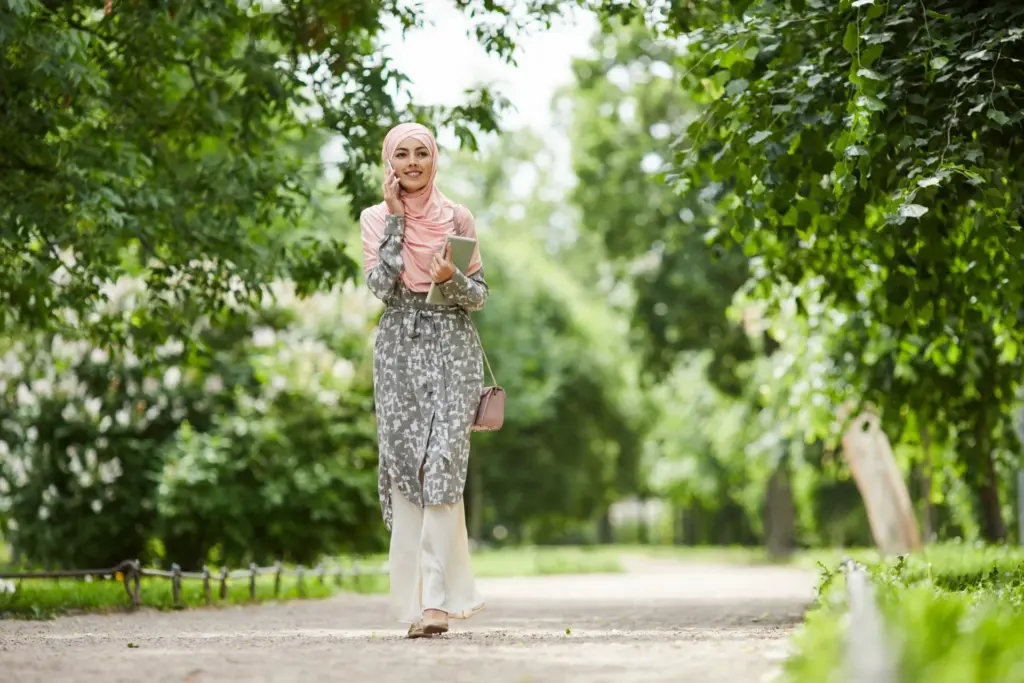
Yet, against the backdrop of bank holidays, shifting public health guidelines, and the gradual lifting of pandemic-era restrictions, the experience of summer takes on a distinct dimension for visibly Muslim women. Balancing the joys of the season with the practical realities of observing the hijab in rising temperatures requires a unique set of daily adaptations. While the sunshine is welcomed for its warmth and ability to elevate spirits, navigating the elements while maintaining religious observance introduces a series of familiar, lighthearted frustrations that many British Muslim women quietly navigate year after year.
The intersection of modest fashion and peak summer weather involves a delicate equilibrium. Choosing breathable fabrics, navigating the nuances of layering, and managing the physical impacts of rising temperatures under the sun are everyday realities for hijabis during the British summer. While these seasonal adjustments can occasionally test one’s patience—sparking conversations within communities about everything from peculiar tan lines to the constant search for lightweight materials—they are met with a sense of humor and resilience.

Ultimately, despite the minor inconveniences that accompany high temperatures and humidity, the prevailing sentiment among many is one of deep appreciation for the season. The physical and mental benefits of the sunshine, combined with the opportunity to spend quality time with loved ones outdoors, outweigh the seasonal challenges. As communities make the most of the warmer weather, outdoor gatherings, and extended daylight, the experience remains a positive one, rooted in faith, gratitude, and a shared community spirit that embraces both the glorious British summer days and the lighthearted quirks that come with them.