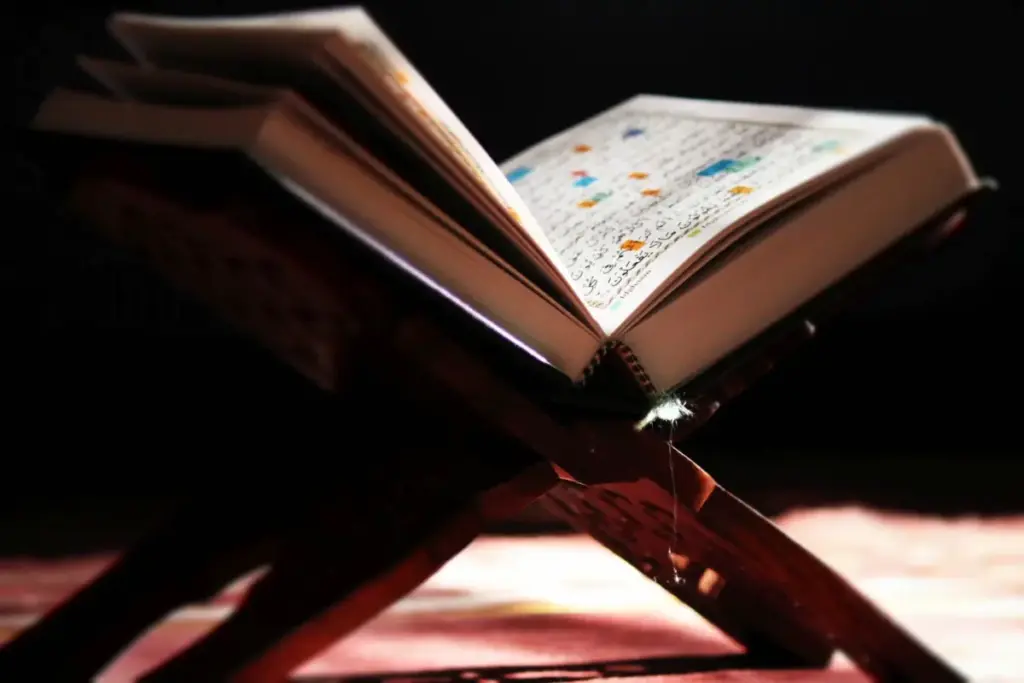
In the latest installment of his acclaimed educational series, The Eternal Challenge, prominent scholar Sheikh Sohaib Saeed tackles one of the most enduring historical and theological questions regarding Islam: Who actually taught Prophet Muhammad the Quran? Through careful analysis and scholarly discourse, the episode confronts and systematically refutes various historical and modern allegations, including the claims that the Prophet was instructed by human clergymen of the era or that he merely compiled and quoted material from earlier religious scriptures.
The ongoing video series, widely followed by students of Islamic studies and researchers alike, aims to dissect the linguistic, historical, and philosophical dimensions of the Holy Quran. By breaking down complex arguments into accessible segments, Sheikh Saeed provides viewers with a comprehensive look at the evidences supporting the divine origin of Islam’s sacred text.

Addressing Historical Allegations and Human Authorship
Central to this particular episode is the critical examination of how the Quran came into the possession of Prophet Muhammad. Detractors throughout history have occasionally argued that the Prophet did not receive divine revelation, but instead acquired his knowledge through human teachers—often pointing vaguely to Christian monks, Jewish rabbis, or local scholars of seventh-century Arabia.
Sheikh Saeed addresses these assertions directly, demonstrating through historical context and textual analysis why such claims lack substance. He explains that the socioeconomic and cultural landscape of pre-Islamic Arabia, combined with the well-documented fact that the Prophet was unlettered, makes the human-instruction hypothesis untenable. Furthermore, the distinctive literary style, profound legal frameworks, and overarching theological consistency of the Quran set it entirely apart from any contemporary theological discourse or prior scriptural texts available in the region at the time.

Beyond refuting the notion of human tutoring, the discussion explores the allegation that the Prophet simply paraphrased or borrowed heavily from previous scriptures such as the Torah and the Gospel. The series highlights the distinct thematic divergences and theological corrections present in the Quran, arguing that these differences point toward an independent, transcendent source rather than derivative compilation.
The Role of Prophecies in Establishing Authenticity
Moving deeper into the philosophical underpinnings of the faith, the episode shifts its focus toward the concept of prophecy within the Quran. In theological terms, a prophecy is defined as foretold news concerning future events that are entirely beyond human calculation, foresight, or speculation. Sheikh Saeed distinguishes true prophecy from educated guesses, wise political forecasts, or broad general observations about human behavior.

Within the framework presented in the series, verifiable prophecies serve as one of the most vital empirical and spiritual proofs for the truthfulness of a prophet’s mission. The Quran contains numerous references to future events—ranging from geopolitical shifts of neighboring empires to specific historical outcomes—that unfolded precisely as predicted long after the verses were revealed. By analyzing these prophetic elements, the program invites viewers to consider the objective criteria used to evaluate the divine claims of scripture.
A Continuing Exploration of Faith and Text
The episode is part of a broader, structured exploration led by Sheikh Sohaib Saeed on The Eternal Challenge, which has consistently examined the multifaceted nature of the Quranic text. Previous and companion installments in the series have explored fundamental questions such as the basic definition of the Quran, the unique dynamic between the Prophet and the Book of Allah, and the profound theological concept that the profound demands of the revelation fundamentally shaped the Prophet’s mission rather than being manufactured by him.
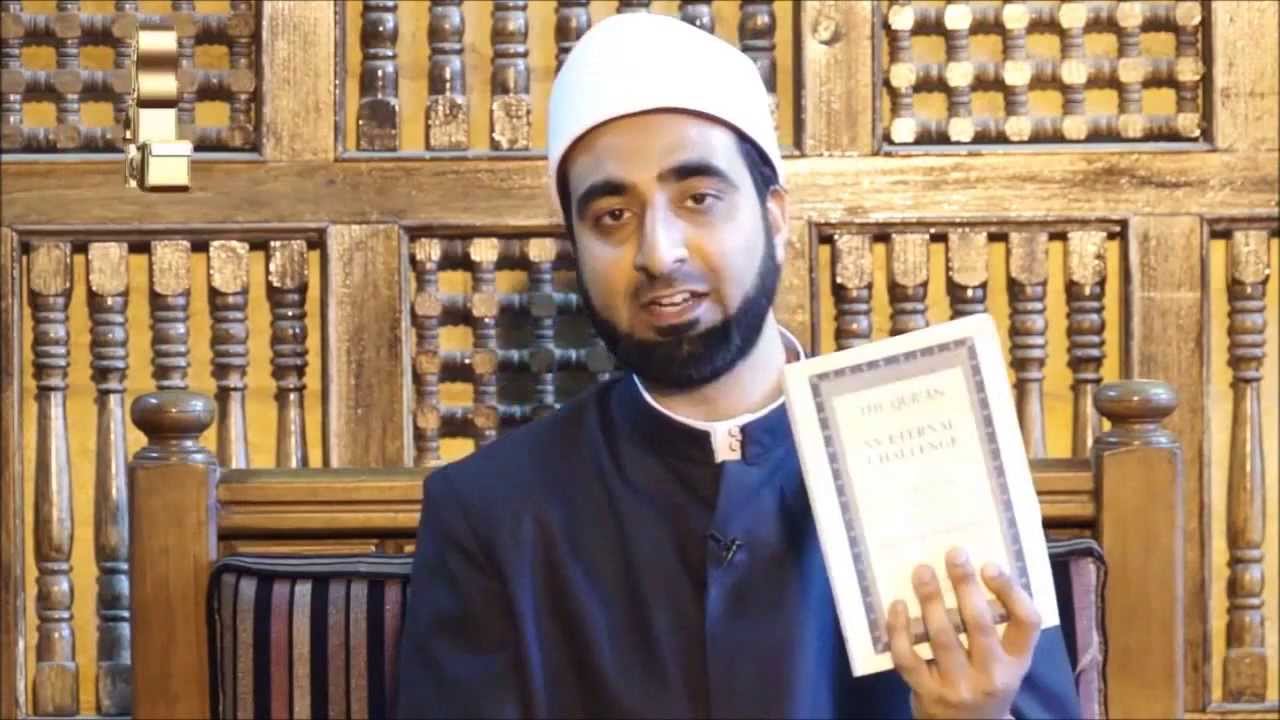
Through these discussions, the series continues to serve as an important resource for contemporary audiences seeking a deeper understanding of Islamic theology, scriptural history, and the intellectual defenses of the faith. As debates regarding the origins of religious texts persist in modern academic and interfaith dialogues, scholarly contributions like those of Sheikh Saeed provide a structured, evidence-based perspective rooted in traditional scholarship and modern analytical rigor.