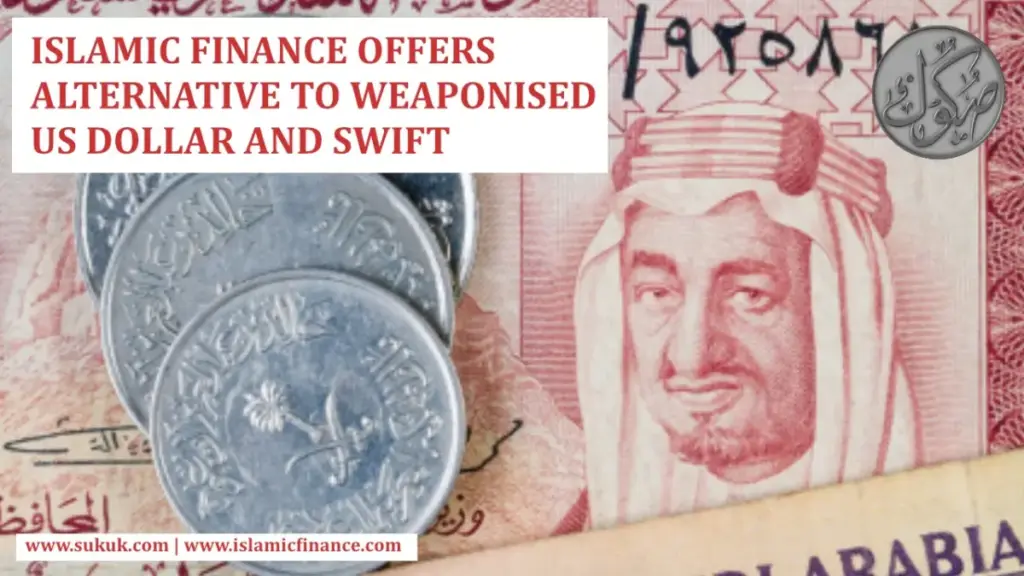
The growing weaponization of the United States dollar and the dominant international payment architecture of the Society for Worldwide Interbank Financial Telecommunication (SWIFT) has triggered a profound global push for financial alternatives. As international trust wanes in the greenback and the Western-controlled payment systems that support it, emerging economies and regional powers are actively seeking resilient mechanisms to safeguard their commerce, maintain economic sovereignty, and insulate themselves from unilateral sanctions.
In response to these shifting geopolitical and economic realities, Turkish President Recep Tayyip Erdogan has championed the integration of Islamic finance instruments into cross-border commerce. Addressing the urgent need to bypass traditional Western-centric payment channels, President Erdogan emphasized that trade conducted in national currencies has gained unprecedented urgency. He underscored that the international community should prioritize placing Islamic finance instruments firmly on the global economic agenda to restore stability and fairness to international commerce.
The Turkish leader has previously voiced strong criticisms regarding the ongoing "monopoly" held by the US dollar in global trade, urging nations to diversify their financial systems. These concerns have not gone unnoticed in Western financial capitals. Former US Treasury Secretary Steve Mnuchin publicly acknowledged the risks associated with these policies, warning that if policymakers are not careful, international actors will increasingly look toward alternative currencies and payment networks to conduct their business.
Iranian Banks Removed from SWIFT
The catalyst for many of these alternative financial arrangements lies in the aggressive deployment of economic sanctions by the United States. Most notably, sweeping US sanctions resulted in the removal of Iranian banks from the SWIFT messaging and payment system, effectively crippling Iran’s ability to conduct normal foreign trade and access international financial markets. This aggressive maneuver sent shockwaves through global markets, demonstrating the immense leverage the United States holds over international financial plumbing.
Similar extraterritorial sanctions have also impacted European entities, creating diplomatic friction between allies. For instance, punitive measures and threats of secondary sanctions directly impacted European and German firms working on the vital Russian-German energy pipeline project, highlighting how Western financial dominance can disrupt cross-border commercial ventures involving sovereign states.
In direct defiance of these financial restrictions and to mitigate the risks posed by reliance on the US dollar, major global powers have begun forging their own paths. Russia and China, both frequent targets of Western economic pressure, have successfully established independent bilateral payment and messaging systems. These alternative frameworks allow them to trade directly with one another, effectively routing around the dollar and neutralizing the threat of SWIFT-based sanctions.
Increased Use of Gold and Local Currencies
The movement away from the greenback extends far beyond bilateral arrangements between Moscow and Beijing. The eight-nation Shanghai Cooperation Organization (SCO), which includes economic powerhouses and regional actors such as China, Pakistan, and Russia, currently represents nearly a quarter of global Gross Domestic Product. Member states within the SCO have systematically increased their collective foreign exchange and gold reserves, which now total an astounding four trillion US dollars.
Recognizing the immense collective economic weight of the bloc, the SCO took decisive action during a high-level finance ministers meeting in Moscow. The organization formally decided to systematically increase and conduct bilateral trade and investment utilizing local currencies rather than relying on the US dollar. This strategic shift aims to insulate member nations from external currency volatility, reduce transaction costs, and build a more multipolar economic architecture across Eurasia.
Use of Gold in Islamic Cultures
Parallel to the de-dollarization efforts led by state actors and regional organizations, traditional assets such as gold are experiencing a powerful renaissance, particularly within Asian and Islamic cultures where bullion has long served as a trusted, multi-generational store of wealth and value. Nations such as Turkey and Malaysia have positioned themselves at the forefront of this movement, pioneering modern Islamic financial gold banking and working toward the development of gold-based currencies.
In Malaysia, state governments have taken concrete steps to institutionalize alternative monetary mediums. The Malaysian states of Kelantan and Perak notably introduced gold dinar and silver dirham coins as legitimate means of payment and mediums for trade, reviving historical Islamic monetary traditions to foster local economic resilience.
Meanwhile, in the banking sector, Turkish financial institutions have innovated rapidly. Kuveyt Türk, an Islamic bank operating in Turkey, launched pioneering gold banking operations in 2007. Through this innovative system, the bank successfully collected over 26 tons of physical gold—valued at approximately 1.2 billion US dollars as of July 2019—and seamlessly integrated these dormant bullion assets directly into the broader Turkish economy. Building upon these successful physical banking models, current modernization initiatives are exploring the integration of Islamic finance principles with gold-backed cryptocurrencies to streamline and better facilitate secure cross-border trade.
Islamic Finance Gold Standard
The integration of physical precious metals into modern Islamic finance received a monumental institutional boost with the formal establishment of regulatory and religious frameworks. In 2016, the World Gold Council, in collaboration with the Accounting and Auditing Organisation for Islamic Financial Institutions (AAOIFI), officially approved a comprehensive sharia standard specifically designed for gold-based products.
The primary objective of this standardized framework is to significantly increase the utilization of gold bullion within the broader Islamic finance industry and pave the way for the creation of sophisticated new financial instruments compliant with religious jurisprudence. The newly established standard meticulously addressed complex financial mechanisms, including the appropriate use of collateral as well as the rules governing the exchange of gold in both immediate spot transactions and deferred delivery contracts, providing a secure and transparent foundation for the future of gold-backed international trade.