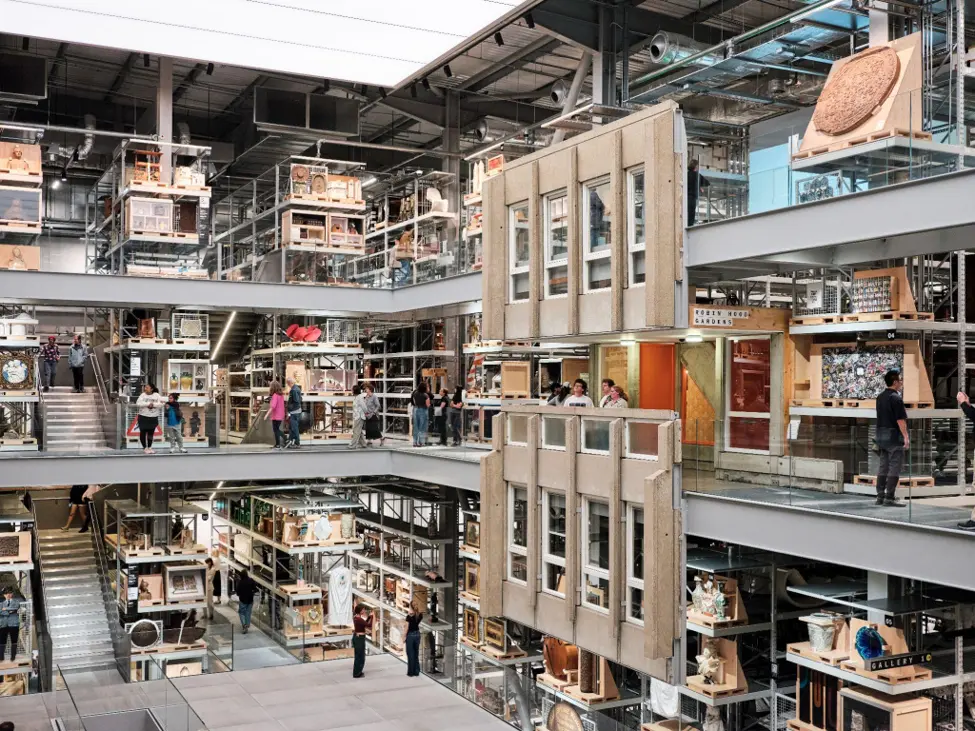
When visitors walk through the doors of a world-class cultural institution, navigating the space is often an intuitive experience guided by an intricate system of signs, labels, and architectural cues. Yet, behind the seamless flow of gallery-goers lies a significant environmental footprint. Traditional museum wayfinding and exhibition graphics have long relied on single-use materials, most notably petroleum-based vinyl, which must be discarded and replaced with every rotation of a programme or exhibition. For a brand-new cultural institution, breaking away from these entrenched industry standards presents both a monumental challenge and a unique opportunity.

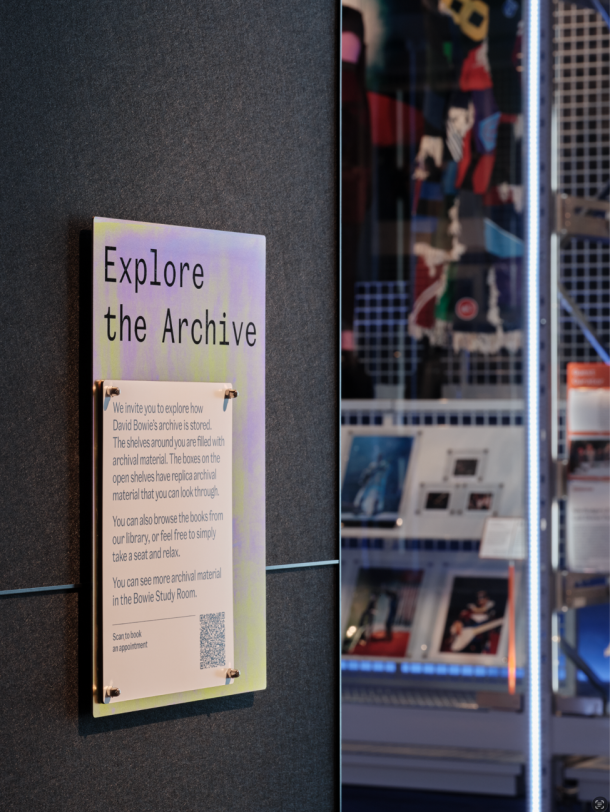
Addressing this challenge head-on, the Hackney-based design studio Fieldwork Facility partnered with the Victoria and Albert Museum (V&A) to reimagine the wayfinding, labelling, and interpretation systems across three major upcoming sites: the V&A East Storehouse, the David Bowie Centre, and the V&A East Museum. Co-authored by Robin Howie of Fieldwork Facility and Tasnia Yasmin of the V&A, a recent collaborative insight highlights how sustainability was deeply embedded into the core design process from its inception, transforming environmental constraints into a catalyst for creative innovation.
Meeting the Sustainability Challenge
From the very beginning of the project, the brief demanded a rigorous examination of environmental impact across every stage of the design cycle. For Robin Howie, Creative Director and founder of Fieldwork Facility, the ambition of the museum’s directives surpassed typical industry expectations. Working alongside environmental impact consultants Urge Collective, the design team evaluated the carbon footprint of potential materials early in the developmental phase, ensuring that sustainability decisions were made upstream rather than as an afterthought.
The core philosophy guiding the collaboration focused on the entire lifecycle of a material. This meant questioning not only where raw materials were sourced and how they were manufactured, but also what would happen to them once they were no longer needed. The ultimate objective was to keep materials in circulation for as long as possible, minimising waste and designing systems that could easily adapt to future changes without requiring a complete overhaul.
Creating a Modular Kit of Parts
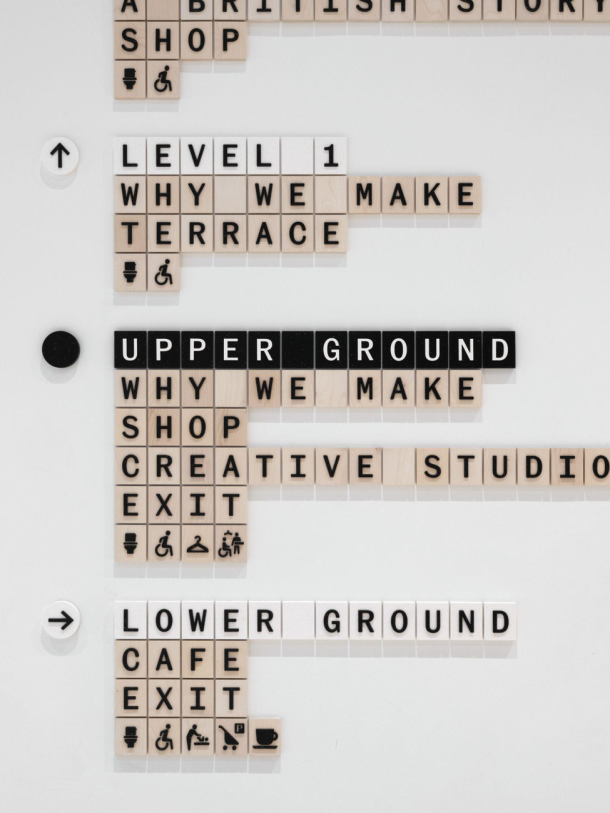
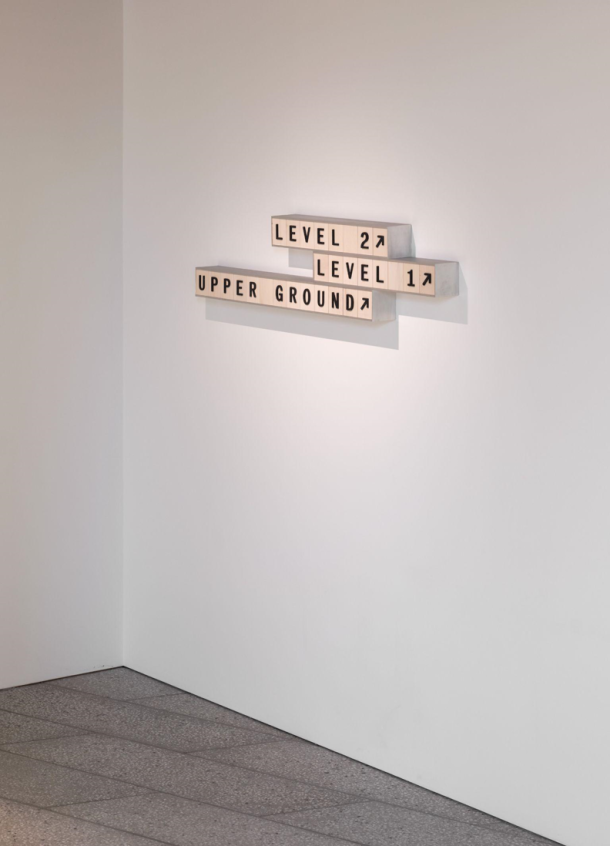
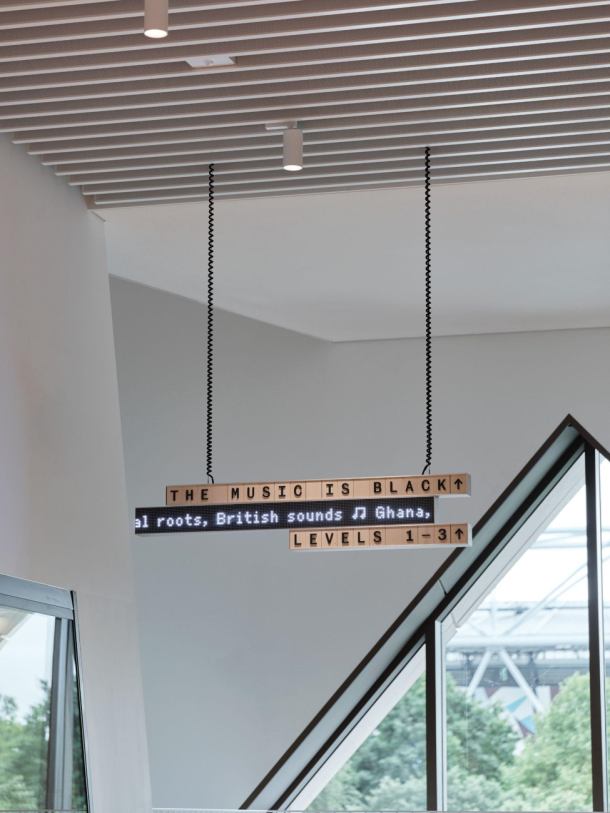
To achieve this longevity, the design teams for the V&A East Storehouse and the V&A East Museum developed a unified yet distinct wayfinding system based on modular design. Rather than producing fixed, single-purpose signage, the studios created a versatile "kit of parts." Each sign was engineered so that it could be easily disassembled, updated, and reconfigured for different uses across the spaces. At the end of its operational life, the individual components can be cleanly separated into distinct material streams for efficient recycling.
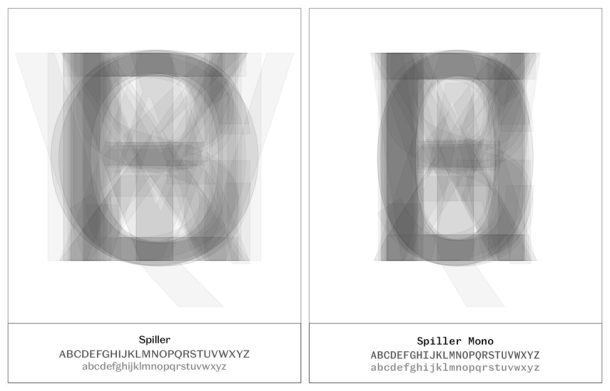
This modular approach required a fundamental rethinking of typography. The V&A utilizes a bespoke brand typeface known as Spiller. However, in its original form, Spiller presented distinct readability challenges within a modular framework, as some of its letterforms are exceptionally wide while others are very narrow. To solve this without compromising the museum’s visual identity, Commercial Type was commissioned to develop a new variant called Spiller Mono. Featuring evenly sized letterforms, the new typeface ensured maximum legibility while maintaining the strict alignment requirements of a modular sign system.
Balancing Aesthetics and Low-Carbon Materials
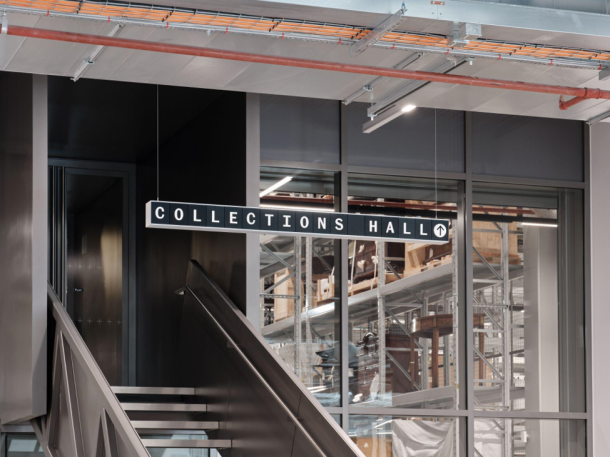
While the V&A East Storehouse and the V&A East Museum share a unified design ethos, each venue retains its own distinct look and feel through the thoughtful selection of low-carbon and recycled materials. At the V&A East Storehouse, the primary signage is constructed from recycled composite paper for the black blocks and tiles, complemented by recycled plastics for the lettering. These components are housed within durable aluminium cases.
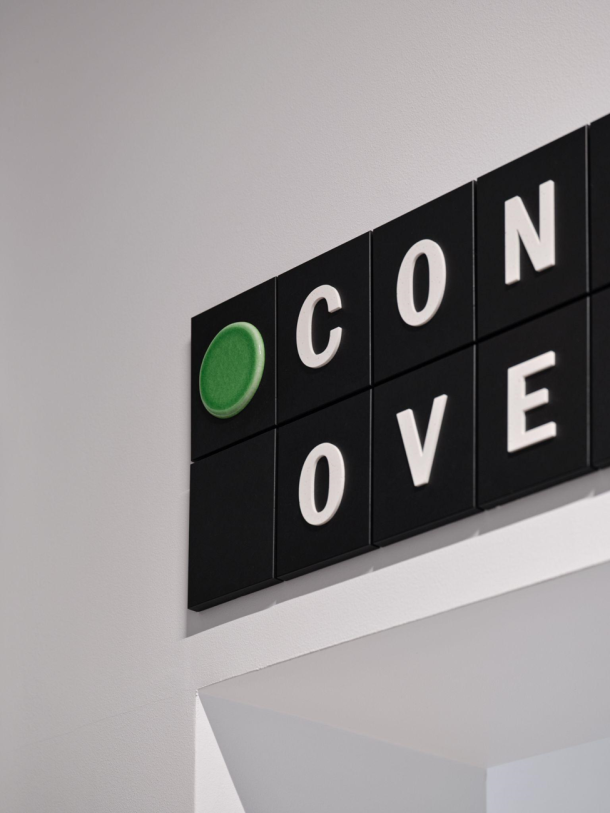
A select few elements feature enameled lava-stone roundels. The enameling process—which involves fusing powdered glass to lava stone at extremely high temperatures to create a glossy, durable finish—noted as perhaps the least sustainable element of the scheme due to the intense energy required. Nevertheless, the design team embraced it as a meaningful nod to the V&A’s overarching celebration of craftsmanship and making.
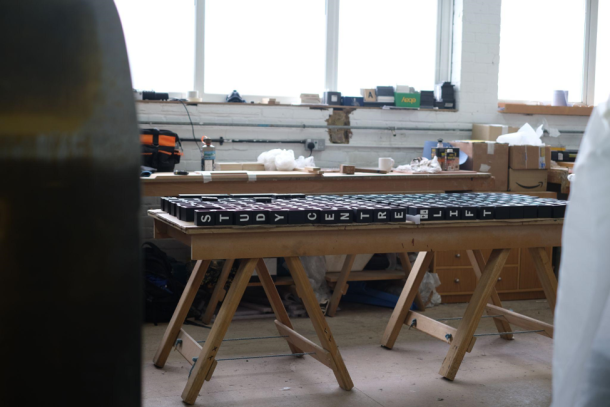
In contrast, the V&A East Museum adopts a different material palette, combining sustainably sourced wood with recycled plastics. Demonstrating the depth of the project’s carbon auditing, the team made a deliberate shift in wood selection, choosing European-sourced sycamore over bamboo imported from China. This strategic material swap significantly reduced the carbon emissions associated with long-distance shipping. Furthermore, close collaboration with manufacturers ensured that all offcuts produced during the cutting and shaping processes were returned to suppliers to be reprocessed into new materials rather than discarded.
Moving Beyond Single-Use Vinyl
One of the most persistent environmental hurdles in exhibition design is the heavy reliance on self-adhesive vinyl graphics. While popular for their ease of printing, installation, and removal, traditional vinyl graphics are made from plastic and cannot be easily reused or recycled, resulting in vast amounts of waste whenever an exhibition changes.
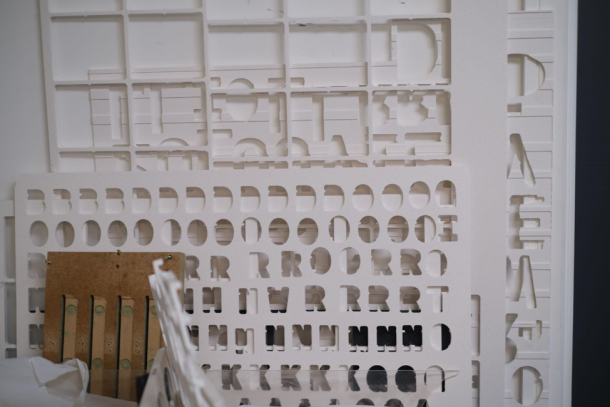
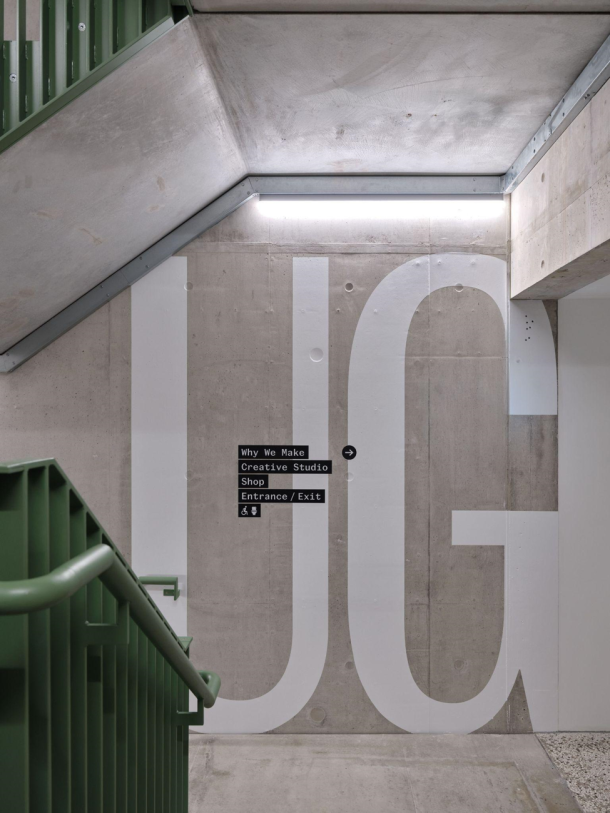
Fieldwork Facility aggressively curbed the use of single-use vinyl across both V&A East locations. Whenever technically feasible, permanent and semi-permanent graphics were painted directly onto the gallery walls. For areas requiring temporary updates, such as changing exhibition titles, the team engineered an entirely physical solution rather than turning to printed vinyl sheets.
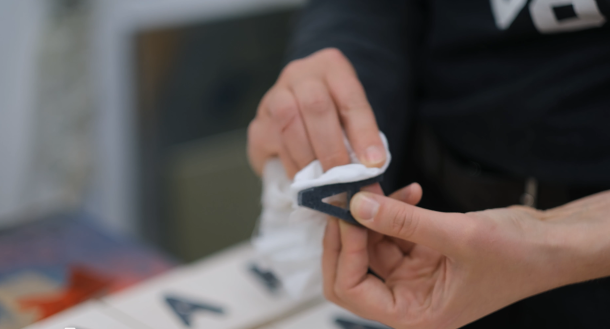
For the V&A East Museum, the designers created 1,240 individual modular tiles crafted from wood and recycled plastics. Each tile was individually cut, engraved, finished, and assembled by hand. To ensure the museum would not run short during future programme changes, the design team conducted a comprehensive review of the institution’s exhibition titles from the preceding five years to analyze name lengths. This data informed the creation of an auxiliary bank of 1,115 spare tiles, allowing staff to update Welcome Directories and Discovery signs seamlessly without generating fresh waste.
To further prevent temporary signage from defaulting back to single-use vinyl for daily events and shifting schedules, the museum integrated narrow, scrolling LED ticker displays. These digital units provide real-time information that can be instantly updated. To harmonize the digital displays with the physical architecture, a custom typeface named V&A Eastbound was developed specifically for the LED tickers, complete with unique symbols and glyphs tailored for future programming. Despite these comprehensive efforts, approximately six square metres of vinyl remain utilized in specific permanent areas where screen printing was technically impossible.
The collaborative undertaking between V&A East and Fieldwork Facility demonstrates how embedding environmental considerations into the earliest stages of cultural project planning can fundamentally alter museum design. By prioritizing modularity, sourcing lower-impact materials, eliminating unnecessary single-use plastics, and engineering thoughtful alternatives for temporary communications, the institutions have established a forward-thinking blueprint for sustainable wayfinding in the museum sector.