Islamic Relief is working urgently with local partners on the ground to support communities devastated by the deadly flooding that has swept across Nepal. The catastrophe, triggered by torrential weather along the country’s northern border, has left a trail of unprecedented destruction, displacing tens of thousands of families and overwhelming local infrastructure. Humanitarian agencies are racing against time to reach isolated survivors trapped by blocked roads and continuing monsoon rains.
Pragya Adhikari, an Islamic Relief aid worker who has been actively supporting relief distributions in Nuwakot—one of the regions worst affected by the disaster—painted a harrowing picture of the scale of the devastation. The human toll and structural destruction, she noted, exceed anything the local population has experienced in living memory.
"The suffering I can hear and see is so tragic," Pragya Adhikari said, describing the scenes in Nuwakot. "Even three-storey buildings are inundated with sand and debris, with the floods reaching eight or nine metres high."
The disaster has shattered families in unimaginable ways. Many children have been orphaned after being at school while the fast-moving floods killed their parents. In other tragic cases, entire households remain unaccounted for, leaving communities in agonizing suspense.
"Other entire families are still missing—I heard of families of 24 and 30 people who are still unaccounted for," Adhikari added, highlighting the profound scale of loss within tightly knit rural communities.
The ferocity of the weather event has stunned even the oldest residents. According to Adhikari, an elderly man in his seventies told her that he had never witnessed flooding of this magnitude throughout his entire life, noting that the current disaster is at least four times larger than even the most intense floods remembered by local elders.
Challenging Conditions Hamper Rescue and Relief Operations
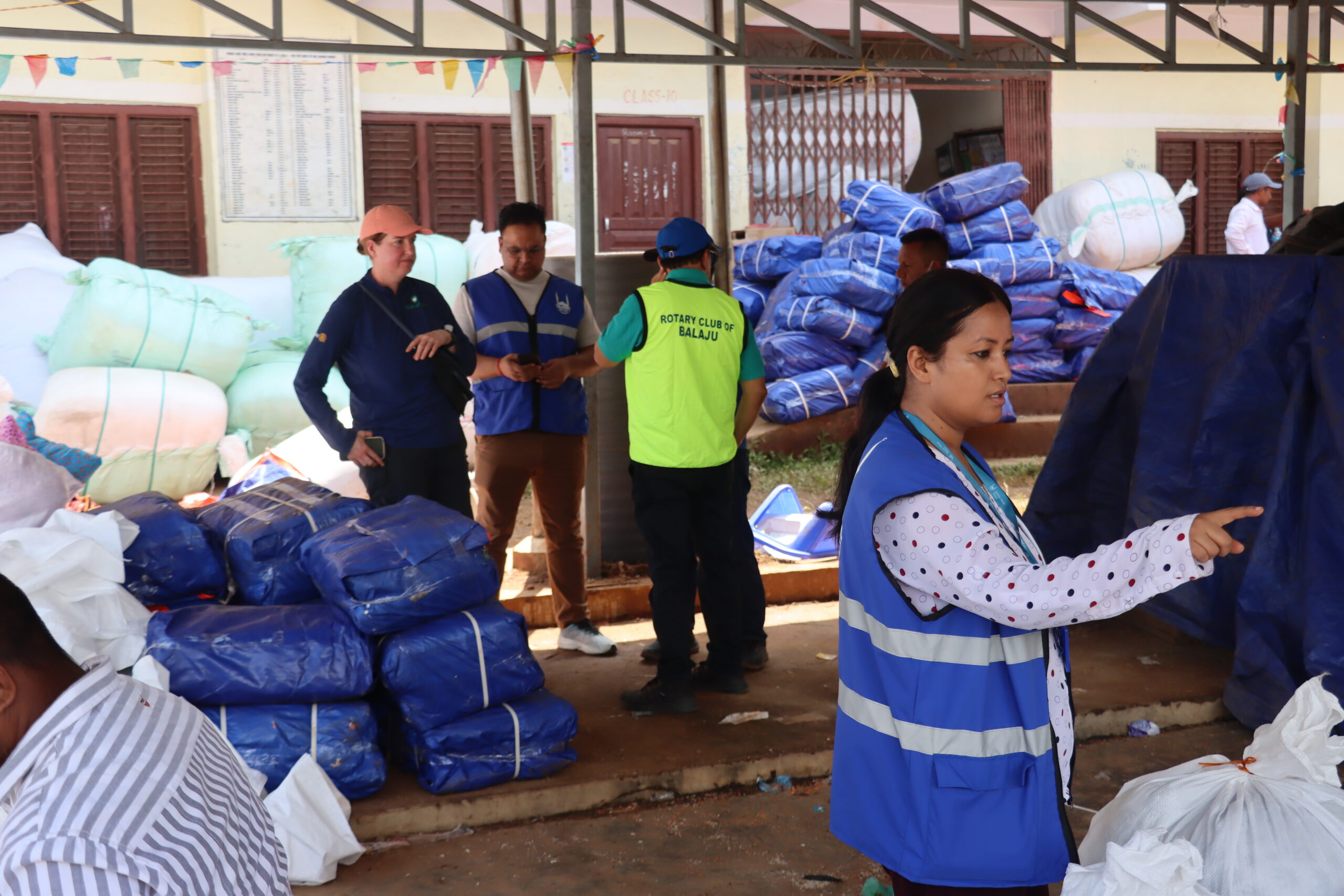
Recovery efforts are expected to be protracted and immensely difficult. Due to the severe destruction of infrastructure, some remote areas remain entirely cut off and can only be accessed by helicopter. However, humanitarian workers emphasize that clearing debris must begin as quickly as possible to restore access and facilitate the delivery of critical supplies.
Local authorities have confirmed that more than 1,300 people have lost their lives in the catastrophic floods that struck Nepal’s northern border region on August 26. In addition to the tragic death toll, more than 5,000 people remain missing, and search and rescue operations are ongoing.
Widespread damage to vital infrastructure, including roads, bridges, and communication networks, is severely hampering access to remote communities. This isolation creates significant challenges for the broader humanitarian response while leaving vulnerable survivors exposed to continuing monsoon rains and worsening weather conditions.
The combination of ongoing heavy rain and the destruction of dozens of roads and bridges in the worst-affected regions of Rasuwa and Nuwakot has effectively blocked large trucks from passing. Transportation times have skyrocketed, turning journeys that would typically take four to five hours into grueling 15-hour trips as drivers navigate treacherous, blocked, and washed-out terrain.
Islamic Relief’s Response on the Ground
To ensure that assistance reaches those who need it most efficiently and equitably, Islamic Relief is closely coordinating its operations with key government bodies, including Nepal’s National Disaster Risk Reduction and Management Authority (NDRRMA) and the District Disaster Management Committee (DDMC).
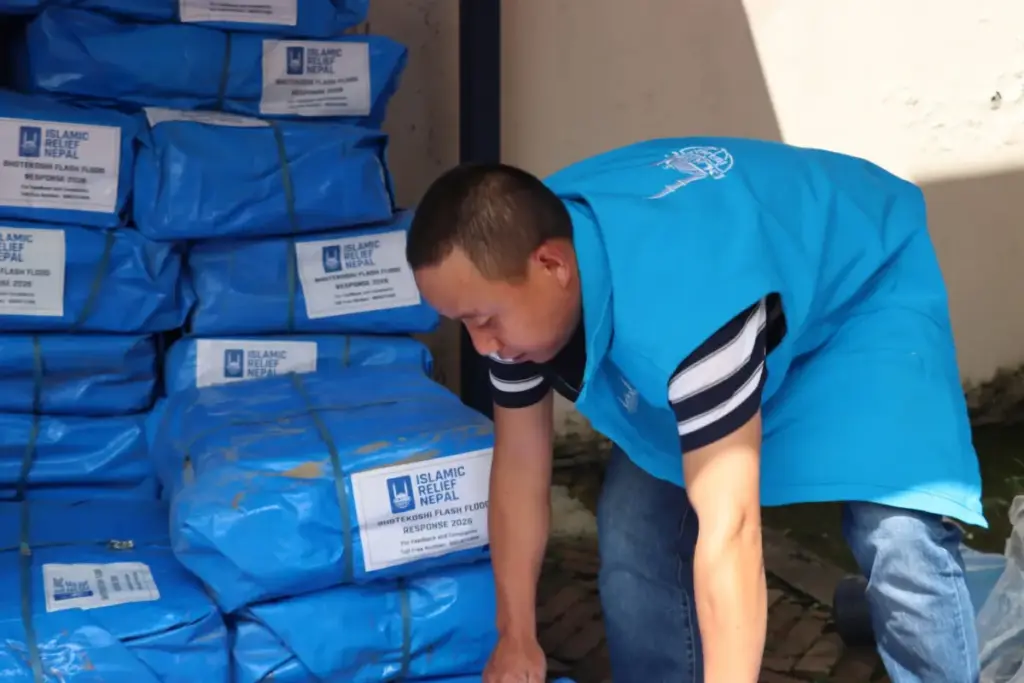
As part of the initial emergency response phase, the organization has begun distributing 1,000 emergency shelter kits in the Rasuwa District. These kits are designed to address the immediate, critical needs of families who have been left homeless or displaced by the rising waters. Each shelter kit contains essential items such as tarpaulins, blankets, pillows, and foam mattresses, providing a basic measure of comfort and protection against the elements as survivors begin the long and arduous process of coping with their grief and rebuilding their lives.
Tens of thousands of people have had their lives ripped apart by the floods, facing trauma, displacement, and the loss of loved ones on a scale previously unknown in the region. Humanitarian organizations emphasize that sustained international and local support will be vital to ease their suffering and provide lifesaving assistance in the weeks and months ahead.