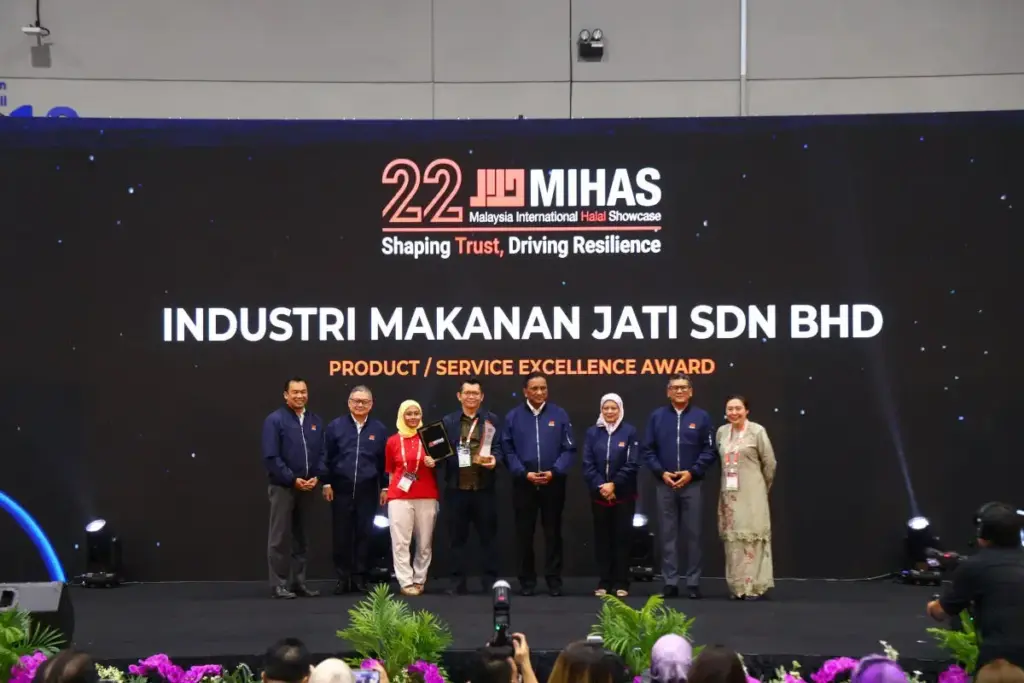
KUALA LUMPUR — In a development that underscores a profound evolution in international commerce, the Malaysia International Halal Showcase awarded prestigious honors on Friday to 13 companies, signaling a significant and lasting shift in how the multi-trillion-dollar global halal industry measures success. Rather than focusing primarily on traditional product excellence and basic religious compliance, event organizers and industry leaders have begun actively rewarding businesses that boldly embrace artificial intelligence, advanced sustainability practices, and digital-first operational frameworks.
The awards ceremony, which is now celebrating its second decade of recognizing industry excellence, represents one of the clearest and most definitive indicators yet that the broader halal sector—a massive global market currently estimated at well over $2 trillion—is undergoing rapid and comprehensive modernization. Hosted annually by the Malaysian government, the massive trade showcase has expanded over the years to encompass 14 distinct economic sectors, ranging from food production and pharmaceuticals to Islamic finance and "modest fashion," a widely recognized industry term used to describe contemporary clothing lines that strictly adhere to traditional Islamic principles of modesty.
This year’s edition of the showcase notably introduced the Women in Export Awards, a specialized category intentionally created to recognize and celebrate female-led businesses during a critical era when women unfortunately remain underrepresented in international trade, particularly across the dynamic and rapidly growing markets of Southeast Asia. By highlighting the achievements of women entrepreneurs, the showcase aims to foster greater inclusivity and diversity within the upper echelons of the global halal trade network.
Speaking to attendees and international journalists at the event, Dato’ Indera Abu Bakar Yusof, the chief executive of the Malaysia External Trade Development Corporation—the government agency that organizes and oversees the massive showcase—elaborated on the changing ethos of the industry. He emphasized that the modern landscape of the halal economy extends far beyond historical boundaries, noting that success is increasingly contingent on technological adoption and environmental stewardship.
"The halal economy is no longer only about tradition and religious compliance," said Dato’ Indera Abu Bakar Yusof, the chief executive of the Malaysia External Trade Development Corporation. "It is increasingly about how companies adopt technology and build sustainable practices."
This fundamental shift in evaluation criteria and industry priorities directly reflects the harsh yet dynamic realities of modern global markets. As major multinational corporations—including industry heavyweights such as Nestlé, which notably secured a victory in the innovation category at this year’s event—continue to aggressively expand and refine their certified halal product lines, smaller regional and domestic producers face intensifying pressure to compete on much more than basic cost structures and regulatory compliance alone. In response to this high-stakes competitive environment, the Malaysia International Halal Showcase has successfully transformed itself into an essential, must-attend venue for Malaysian businesses that are actively seeking to establish themselves as formidable exporters on the world stage.
The growing emphasis on cutting-edge technology, comprehensive digital transformation, and rigorous environmental practices highlights the multifaceted nature of contemporary consumer demands. However, the expansion of the awards criteria also invites broader discussions and important questions across the international trade community. Industry analysts and market observers are increasingly debating whether traditional religious halal certifications alone remain fully sufficient in a modern marketplace where conscious consumers, corporate buyers, and institutional partners increasingly demand verifiable environmental, social, and governance accountability alongside traditional religious verification.
As the global halal marketplace continues to mature and adapt to the realities of the twenty-first century, events like the Malaysia International Halal Showcase serve as a vital barometer for where the industry has been and where it is heading. By honoring companies that successfully integrate digital innovation, sustainable operations, and inclusive leadership into their core business models, the showcase is actively charting a new course for an economic sector that touches the lives of billions of consumers worldwide.