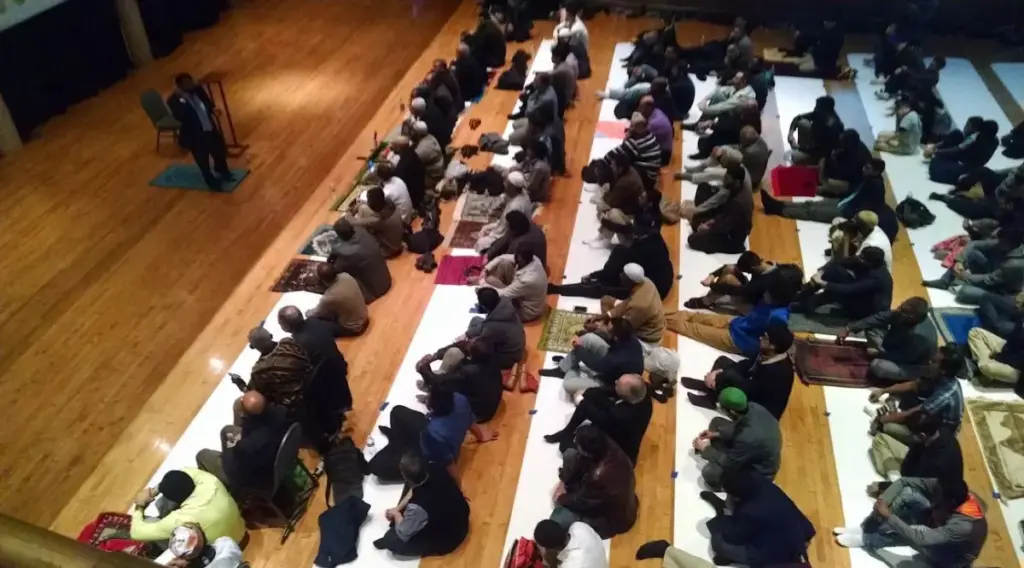
For millions of Muslims around the globe, Friday holds a distinct and revered place in the weekly calendar. Known as Jumu’ah, the weekly congregational prayer is a cornerstone of Islamic practice, drawing communities together in mosques for the midday sermon and prayer. Yet, religious scholars and community leaders frequently point out a subtle challenge that develops over time: for many attendees, participating in the Friday sermon and prayer has transitioned from a deeply conscious act of worship into little more than a matter of tradition, routine, and automatic habit.
In Islamic jurisprudence and spiritual teachings, intentionality is a foundational element for the validity and acceptance of any act of worship. Just as a Muslim must consciously form an intention before performing the daily ritual prayers, fasting, or pilgrimage, approaching Jumu’ah requires mental and spiritual presence. To truly reap the profound spiritual fruits and blessings of Friday, worshippers are encouraged to move beyond mere physical attendance and cultivate a state of attentiveness, active listening, and focused devotion.
The significance of the Friday prayer is underscored by numerous traditions of the Prophet Muhammad, peace and blessings be upon him. In a well-known narration recorded by Imam At-Tirmidhi, the Prophet highlighted the immense spiritual cleansing associated with these regular gatherings. He stated, “The five prayers, and Al-Jumuah (the Friday prayer) to Al-Jumuah are atonement for what is between them, as long as the major sins have not been committed.” This profound promise emphasizes the weekly prayer not only as a communal obligation but as a vital opportunity for spiritual renewal, forgiveness, and divine grace.

Despite the high spiritual status of Jumu’ah, religious educators note that many attendees inadvertently undermine their own experience by falling into common behavioral and mental traps during the proceedings. These missteps can detract from the solemnity of the occasion and prevent worshippers from fully absorbing the reminders and messages delivered from the minbar, or pulpit.
To address these issues and help community members optimize their weekly worship, educational media organizations have sought to highlight areas where improvement is needed. A recently highlighted resource produced by OnePath Network examines these exact concerns, focusing specifically on the common mistakes made during the Friday sermon. The short and informative video presentation aims to guide viewers on how to correct these habits to guarantee they fully benefit from the unique blessings of the prayer.
The conversation surrounding the proper etiquette and mindset for Jumu’ah is part of a broader, ongoing effort within Muslim communities worldwide to revitalize religious spaces and ensure that traditional practices retain their transformative power. As communities continue to gather week after week, reminders such as these serve to re-engage the congregation, encouraging individuals to step away from autopilot and approach the Friday gathering with the renewed vigor, intention, and mindfulness that the occasion demands.