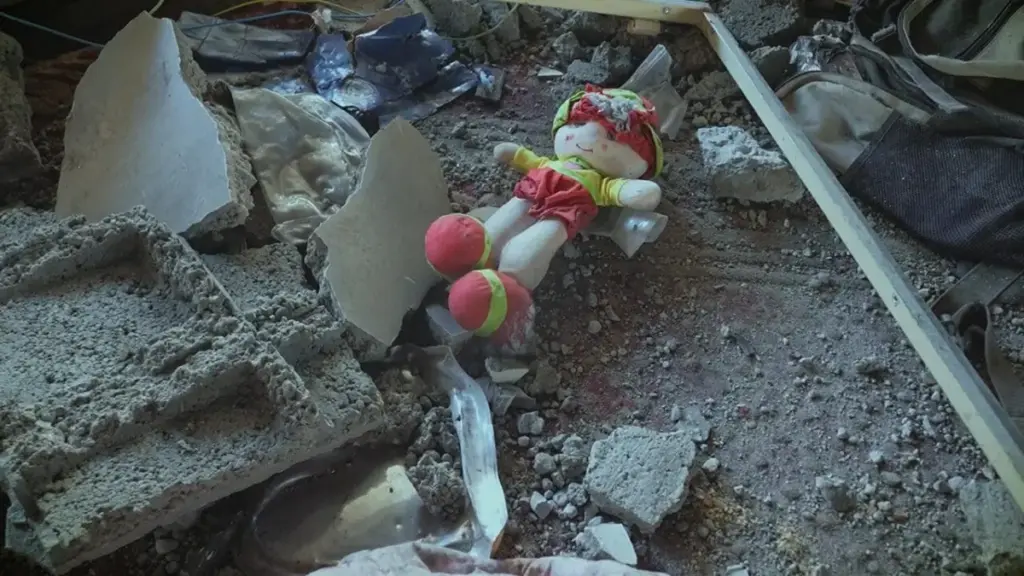
GAZA — One year after a ceasefire agreement was officially reached in the Gaza Strip, more than 100 humanitarian, human rights, and civil society organizations have warned that the pact exists in name only. According to aid agencies, Israeli forces have continued to kill and injure Palestinians on a daily basis, while severe and persistent restrictions on humanitarian assistance, heavy equipment, and essential rebuilding materials have prevented displaced families from beginning the arduous process of recovery.
The grim milestone highlights a deepening humanitarian catastrophe. In the twelve months since the ceasefire announcement, more than 1,400 Palestinians have been killed by Israeli military operations, strikes, and shootings. The death toll includes at least 327 children, translating to a horrifying statistic where nearly one child has been killed every single day since the agreement was supposedly put in place.
Humanitarian groups emphasize that the widespread killing, deprivation, and systematic destruction in the occupied territory must not be normalized under the protective cover of an ineffective ceasefire agreement. As winter approaches, the situation for the civilian population remains catastrophic, marked by critical shortages of food, medicine, and adequate shelter.
A Ceasefire in Name Only
The coalition of international and local organizations stresses that the daily reality on the ground bears little resemblance to a cessation of hostilities. Over the past year, families and rescue workers have been forced to recover hundreds of bodies from the rubble using their bare hands. This desperate measure is necessary because Israeli authorities continue to restrict the entry of heavy machinery and specialized equipment needed to clear collapsed structures and safely reach those trapped underneath. Countless more individuals remain buried and unreachable beneath the concrete debris of flattened neighborhoods.
Compounding the violence, the Israeli military has advanced the so-called Yellow Line further into the interior of the Gaza Strip, pushing past the initial withdrawal line established under the terms of the ceasefire agreement. This tactical shift has compressed the Palestinian population into an increasingly small, highly congested zone, severely exacerbating overcrowding and stretching the meager remaining resources to a breaking point.
Recent satellite imagery underscores the staggering scale of the devastation wrought by military operations across the territory. Entire neighborhoods have been reduced to pulverized rubble, residential homes flattened, and vital agricultural lands thoroughly razed. Assessments indicate that more than 80 percent of all structures across Gaza have sustained damage, with approximately two-thirds of those structures completely destroyed.
Humanitarian Toll and Looming Winter Hardships
As the region faces its fourth winter of the conflict, hundreds of thousands of displaced families continue to live in fragile tents, makeshift shelters, or severely damaged homes. They remain entirely exposed to freezing temperatures, biting winds, and seasonal flooding. The demographic makeup of the displaced population adds layers of vulnerability; nearly one in four households in Gaza is now headed by a woman, and these households face disproportionately higher risks of residing in unsafe, substandard, and inadequate shelters.
For many residents, finding a secure location is an impossibility. Displaced families frequently seek refuge in structurally compromised buildings that remain at constant risk of sudden collapse. The deadly consequences of this housing crisis were tragically underscored in September, when a damaged building collapsed in Gaza City, instantly claiming the lives of 21 people, including 12 children.
Inger Ashing, Chief Executive Officer of Save the Children, condemned the ongoing suffering of the territory’s youngest residents.
"A ceasefire is meaningless if children are still being killed and families are still unable to rebuild their lives," Ashing said. "Since the ceasefire was announced, nearly one child has been killed every day. Families remain trapped in a devastating cycle of loss and deprivation, unable to recover. Governments that backed this agreement must use their influence to stop the killing and ensure children can access food, healthcare, shelter and education. Gaza’s children have a right to safety and a future. Governments have the power to help secure both, and they must use it."
Jan Egeland, Secretary General of the Norwegian Refugee Council, echoed these sentiments, highlighting the impossible dilemmas facing everyday civilians.
"It is utterly shameful that a full year after the ceasefire was signed, so little has improved for Palestinians in Gaza," Egeland stated. "Families are still being forced to make impossible choices, between sheltering in damaged and dangerous buildings or living in tents facing unbearable temperatures. Israeli restrictions are still preventing the required equipment or materials, which are the only ways for communities to begin rebuilding their lives. As winter approaches, all governments must take concrete steps to ensure that the flow of aid increases without hindrance, so that Palestinians can finally begin the vast task of recovery and reconstruction."
Collapse of Healthcare and Essential Services
The systematic restrictions imposed on the territory have crippled essential civic services, most notably the healthcare sector. Not a single one of Gaza’s 36 hospitals is currently fully functioning. Medical facilities operate under extreme duress, grappling with critical scarcities of specialized medicines, surgical equipment, and fuel required to run emergency generators.
The breakdown of medical infrastructure places the most vulnerable populations at acute risk. Newborn babies dependent on incubators, critically ill patients requiring continuous oxygen or intensive care, elderly individuals, and people living with disabilities or life-threatening injuries face daily hazards as specialized treatments, rehabilitation programs, and assistive services remain severely restricted.
The backlog for urgent medical care outside the territory remains immense. More than 18,500 patients, including at least 4,000 children, are still waiting for medical evacuations. Tragically, over 1,000 patients have already died while waiting for permission to leave the territory for life-saving treatment.
Alongside the health crisis, food insecurity has reached catastrophic proportions. An estimated 1.4 million people are currently facing crisis-level hunger or worse as the year draws to a close. Concurrently, the collapse of municipal water networks and thoroughly devastated sanitation infrastructure continue to fuel the rapid spread of preventable waterborne diseases.
Local civil society groups, operating under immense strain, emphasize the critical nature of their work despite facing profound structural challenges. Mohsen Abu Ramadan, a board member of the Palestinian NGO Network, detailed the obstacles faced by domestic responders.
"Palestinian organisations are responding to immense needs under Israeli occupation with destroyed offices, displaced staff, and shrinking budgets," Abu Ramadan said. "Local and national organisations are first responders and will remain, but we need to be protected. Governments must act to end Israel’s attacks and restrictions on our work and donors must provide direct, flexible funding to meet the needs."
Calls for International Accountability
Human rights advocates argue that the persistent failure to uphold international norms and enforce existing agreements has created an environment of systemic impunity. Unexploded ordnance litters neighborhoods, rubble blocks roadways, and life-saving humanitarian aid remains stalled at checkpoints, reflecting conditions that mirror those cited in previous international inquiries.
Agnes Callmard, Secretary-General of Amnesty International, emphasized that international legal obligations do not expire with the signing of a diplomatic text.
"Accountability cannot be swept under the rubble," Callmard stated. "The recovery and future of Gaza cannot be separated from a framework grounded in international law, justice, and the rights of victims. The persistent failure to hold Israel accountable and press Israel to comply with the International Court of Justice’s binding orders continues to fuel the atrocity crimes on a mass scale against Palestinians."