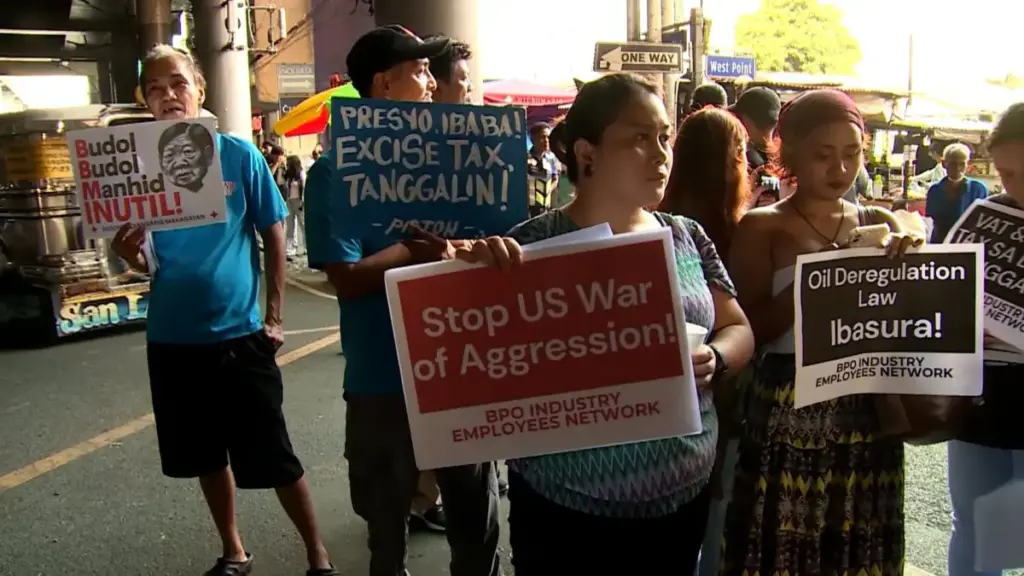
The nationwide demonstrations, which commenced on September 29, 2026, have severely disrupted daily routines for millions of commuters who rely on traditional jeepneys, buses, and public utility vehicles to navigate the densely populated capital. Major thoroughfares that are typically choked with heavy traffic during morning rush hours have seen significantly reduced congestion as transport workers parked their vehicles in protest. The work stoppage highlights a deepening economic crisis for ordinary transport operators who argue that the relentless climb in global energy costs, compounded by local taxation policies, has made it virtually impossible to earn a sustainable living wage.
For months, transport sector representatives have voiced growing alarm over the compounding financial pressures placed on individual operators and drivers. Unlike large corporate fleet owners, the vast majority of traditional public transport workers in the Philippines operate on a daily boundary system or survive on micro-earnings directly tied to passenger volume and fixed fare matrices. With the persistent surge in fuel prices, a disproportionately large percentage of a driver’s daily revenue goes straight into filling up tanks, leaving meager remnants to cover vehicle maintenance, family food expenses, housing, and healthcare.
Union leaders and transport advocacy groups note that despite repeated appeals to government regulatory bodies for substantial fuel subsidies, fare hikes, or temporary tax relief on petroleum products, promised aid has either fallen short or moved too slowly to offset the daily reality on the streets. The cumulative weight of inflation, higher value-added taxes on fuel imports, and the post-pandemic economic recovery struggle have pushed many working-class families past their breaking point, prompting the decision to stage the high-stakes, multi-day strike.
The impact of the ongoing labor action was immediately felt across Metro Manila and neighboring provinces, where millions of workers, students, and vendors scrambled to find alternative means of transportation. Local government units and transport agencies rushed to deploy contingency measures, including free government-run bus rides, civil defense vehicles, and trucks designated to ferry stranded passengers along critical commuter corridors. Despite these emergency efforts, long queues formed at major transit terminals from the early hours of the morning, with many commuters reporting hours of delays in reaching their workplaces.
Schools and universities in affected areas quickly adjusted to the disruption, shifting classes to remote or online learning modalities to protect students from the transit crisis. Meanwhile, local businesses reported lower-than-average employee attendance and retail foot traffic as the transport gridlock restricted mobility across the urban center. The widespread disruption underscores just how vital the informal public transport network is to the functioning of the Philippine economy, acting as the indispensable circulatory system for the nation’s workforce.
As the three-day strike enters its active phase, tension remains high between transport associations and government transport authorities. While officials urge operators to return to the negotiating table and resume public services to avoid further penalizing the riding public, drivers and union organizers remain resolute, demanding immediate, tangible policy changes that address the structural causes of their financial distress. With no immediate breakthrough announced, the coming days will test the resilience of Manila’s transit infrastructure and the government’s capacity to resolve a crisis rooted in the global energy market and domestic economic pressures.