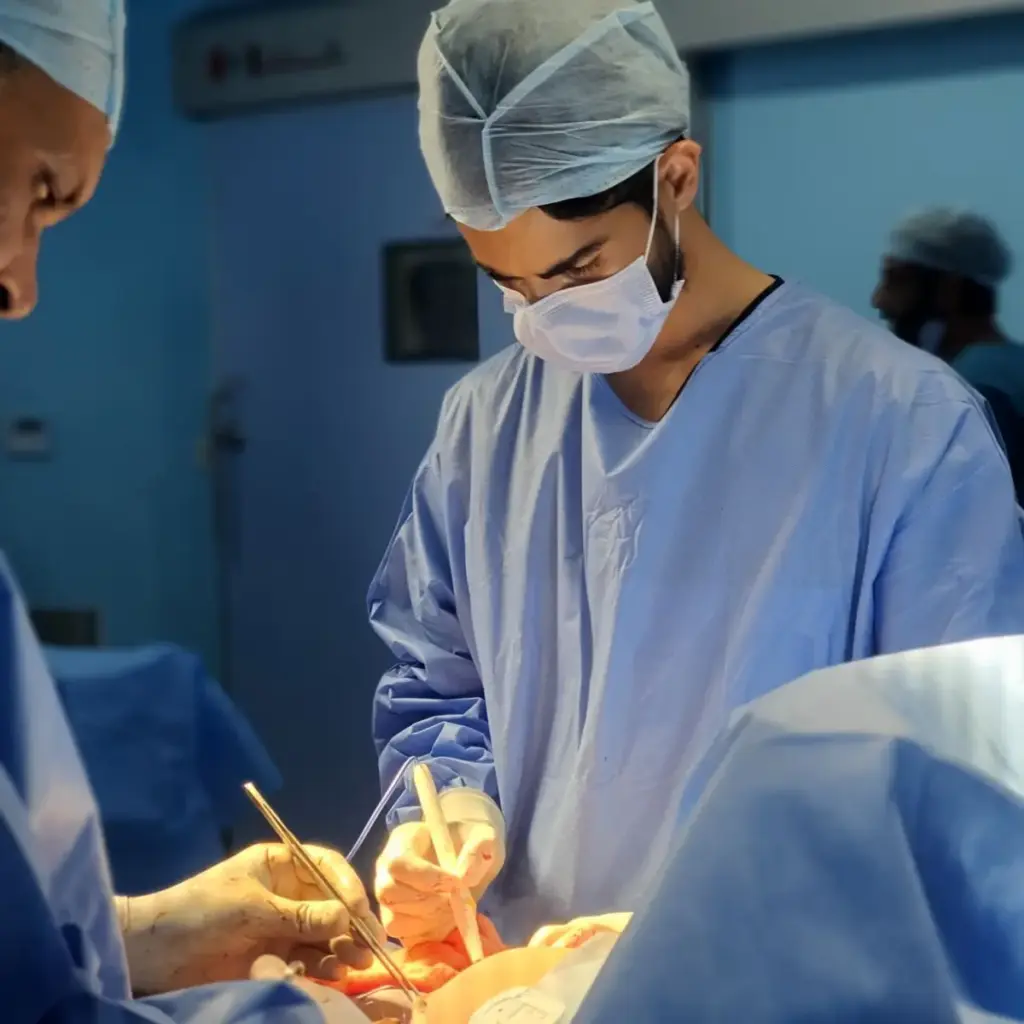
Srinagar: For 24-year-old Bareera, a postgraduate student from Pulwama, the first signs of a deeper physiological disruption surfaced with unsettling clarity during her eleventh-grade year. Living away from home in a girls’ hostel in Srinagar, her menstrual cycle suddenly ceased altogether. One month passed without incident, followed closely by a second, leaving her body in a state of unsettling silence that quietly provoked her anxiety. When she nervously confided in her roommate, the reassurance she received did little to alleviate her underlying unease.
It was only when she returned home for her school break that her mother recognized the distress etched onto her face and promptly arranged for a medical evaluation. That appointment brought about her first ultrasound scan, the defining moment when her abstract fears finally solidified into a clinical reality.
"When the doctor told me I had PCOS, I broke down completely," Bareera recalled, reflecting on the psychological shock of the diagnosis. "I didn’t understand what it meant, only that my body was changing in ways I couldn’t control. The acne, hair fall, and irregular periods made me feel like I was disappearing piece by piece. The fear that I might never become a mother haunts me every day."
Across the Kashmir Valley, Bareera’s deeply personal ordeal is far from an isolated incident. Behind closed doors, an escalating number of young women are grappling with the hidden, multifaceted weight of Polycystic Ovary Syndrome, commonly known as PCOS. While the physical manifestations—such as rapid and unexplained weight gain, persistent acne, excessive facial hair growth, and profoundly irregular menstrual cycles—form the visible core of the struggle, they are compounded by heavier social burdens. Cultural stigmas, rigid regional beauty standards, and intense family expectations routinely transform everyday life into a exhausting daily battlefield marked by mounting anxiety, social withdrawal, and profound self-doubt.
Echoing these sentiments is 21-year-old Saikela Jan, whose name has been changed to protect her privacy. Residing in Srinagar’s Hazratbal neighborhood, she serves as another voice for the quiet torment that so many local women endure in isolation.

"I kept my missed periods a secret for months," Saikela said, describing the initial months of denial and fear. "I was too scared people would think something was wrong with my womanhood. Facial hair, acne, and irregular cycles have made me shrink from the world. It makes me feel less feminine."
The emotional toll has fundamentally altered how she interacts with her environment and her own reflection. "I feel ugly and fat when I see myself in the mirror, so I stay away from social media and avoid going out with friends. I stopped taking pictures because I no longer see the old me," she added.
Beyond the Diagnosis
The prevalence of these harrowing personal accounts is supported by robust public health data pointing to a widespread regional crisis. A landmark epidemiological study conducted by the Indian Council of Medical Research (ICMR), spearheaded by Dr. Mohd Ashraf Ganie at the Sher-i-Kashmir Institute of Medical Sciences (SKIMS), revealed an alarmingly high prevalence rate of PCOS among Kashmiri women. Carried out between 2013 and 2015, the comprehensive survey evaluated 964 women ranging in age from 15 to 40 across five distinct districts of the region.
The empirical findings were striking: 46.4 percent of the surveyed women were identified as probable PCOS cases. Furthermore, 35.3 percent met the formal diagnostic criteria under the Rotterdam parameters, 28.9 percent under the National Institutes of Health (NIH) criteria, and 34.3 percent under the Androgen Excess and PCOS Society (AE-PCOS) criteria.
These findings have been reinforced by independent academic research. A parallel study undertaken by the Department of Social Work at the University of Kashmir determined that over 30 percent of its study cohort met the Rotterdam criteria for the condition, a figure significantly higher than broader national averages across India. Researchers identified a combination of increasingly sedentary lifestyles, shifting nutritional and dietary habits, and underlying hormonal imbalances as primary driving factors behind the elevated rates. In addition to reproductive complications, the research underscored that many affected women simultaneously suffered from metabolic disorders such as obesity and insulin resistance, alongside significant psychological distress including clinical anxiety and depression.
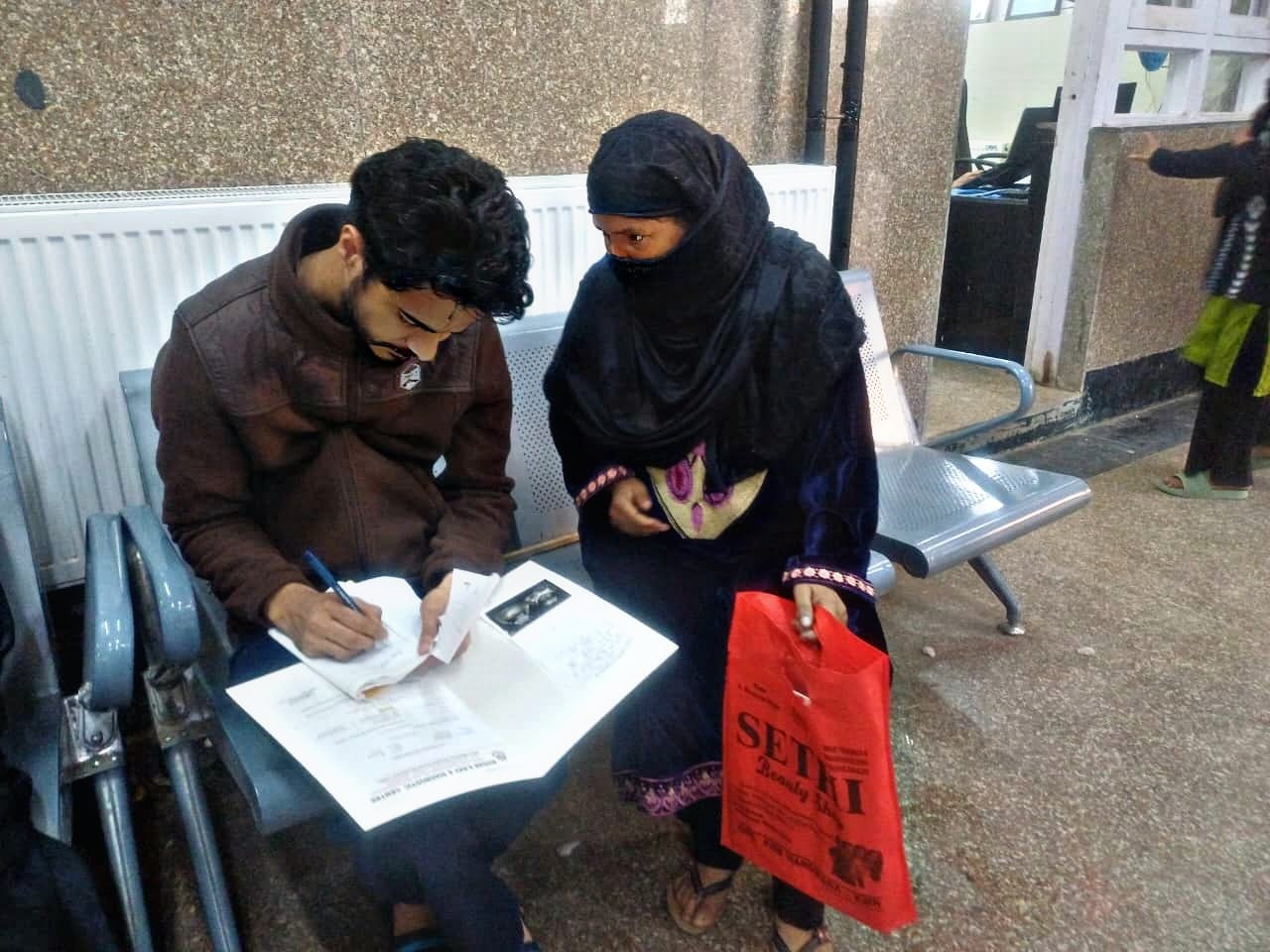
Iqra Nazir, a senior research scholar within the Department of Social Work at the University of Kashmir, spent two intensive months stationed at the Sub District Hospital Hazratbal to investigate these hidden social dynamics firsthand. Her academic inquiry centered on teenage girls between the ages of 15 and 20, examining how a PCOS diagnosis directly impacts their emotional well-being, personal body image, household relationships, and individual coping mechanisms.
"Families often perceive PCOS as a threat to marriage prospects rather than a medical issue," Nazir observed, shedding light on the societal pressures surrounding the condition. "Once a girl is diagnosed, many parents turn to Peers [spiritual guides] or faith healers for quick solutions. Stories of healers helping couples conceive fuel hope, and families cling to that belief."
Nazir’s observations highlighted how the combined weight of social stigma, public judgment, familial anxiety centered on marriage and fertility, and uncompromising societal beauty standards frequently crushes young girls far more severely than the biological condition itself. The psychological repercussions are immense, manifesting as a pervasive cycle of depression, anxiety, low self-esteem, and social isolation that accompanies the physiological alterations. Yet, despite the widespread nature of these struggles, the affected young women remain largely invisible within the broader public sphere, their daily pain remaining unnoticed and unaddressed.
Behind Luck Lies Neglect
Every morning, the crowded waiting area situated outside the gynaecology ward at the Government Medical College (GMC) in Handwara fills to capacity long before the medical staff arrives for their shifts. Young college students clutching clinical folders stand alongside newly married women waiting anxiously for answers to their reproductive health concerns.
Inside one of the primary consultation rooms, Dr. Shakir Khan—an MBBS and MD in Gynaecology and Obstetrics, serving as a Senior Resident at GMC Handwara and Director of the Syeeda Memorial Charitable Health Foundation—begins another demanding day of patient evaluations.
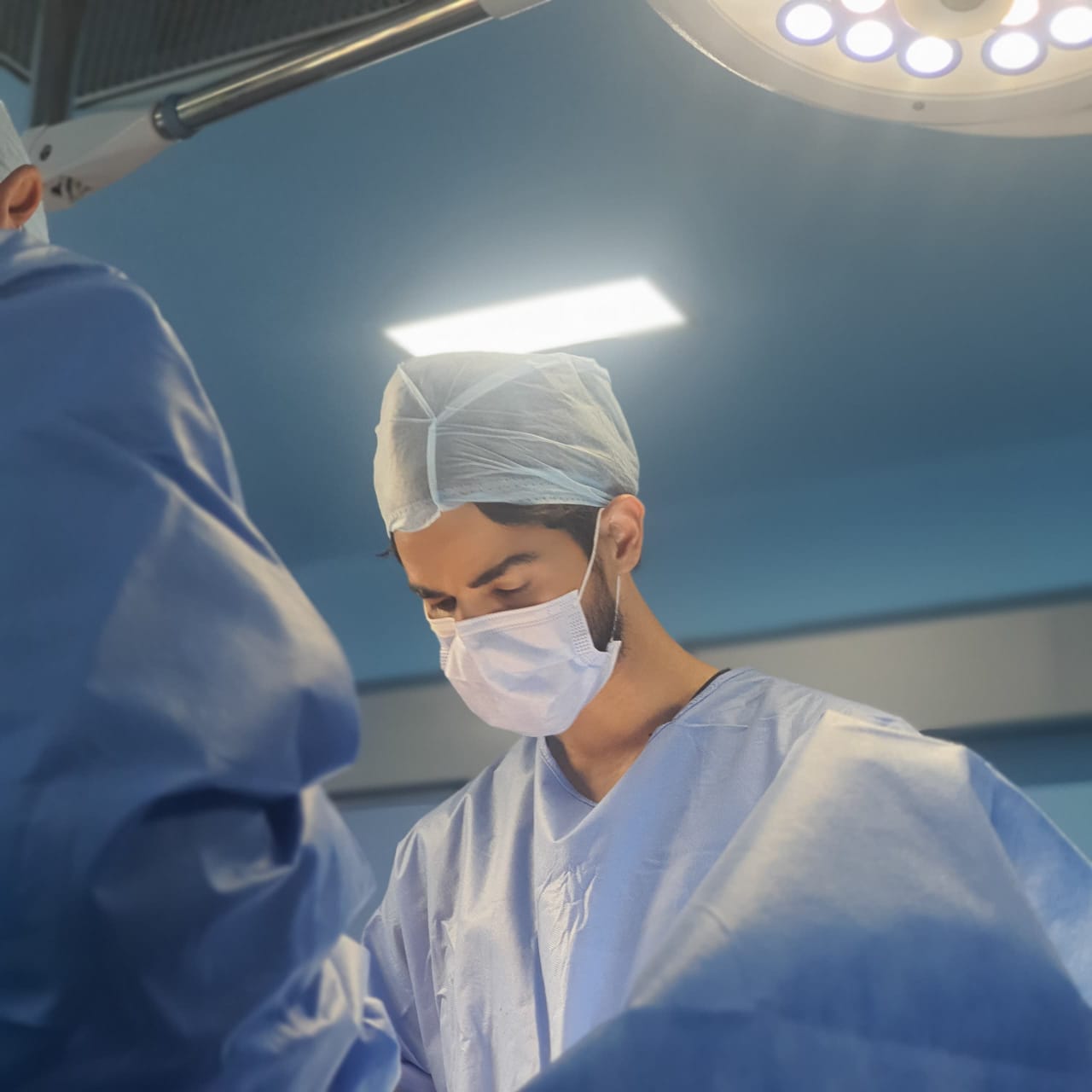
"Every second or third woman I see now has PCOS," Dr. Khan remarked, taking a brief moment to look up from a stack of dense case files. "What worries me most is how silently it spreads. Most don’t realise what’s happening to their bodies until it’s too late."
He recalled the case of a 22-year-old female student hailing from the Kupwara district who presented with severe acne and hair fall. She had spent two years ignoring her increasingly irregular menstrual cycles, attributing the disruptions entirely to academic stress.
"When I told her it was PCOS, she looked surprised and said many of her friends had delayed periods, she thought it was normal," Dr. Khan said. "That moment showed how unaware young women are. They dismiss early signs, not realising it’s their body’s way of asking for help."
The psychological impact, he emphasized, runs parallel to the physical complications. "One woman who had been trying to conceive for years told me she thinks it’s her problem. PCOS changes how women see themselves. They start feeling unattractive, unworthy, as if their bodies have betrayed them."
Dr. Khan recounted the case of a 30-year-old schoolteacher who had been disparagingly labeled as "banjh"—a localized term for infertile—by her surrounding community. For years, her profoundly irregular periods had been casually dismissed by those around her as a normal variation. When clinical tests ultimately revealed severe PCOS complicated by advanced insulin resistance, the true nature of her situation became apparent. It was a failure of awareness rather than misfortune.
Initiating a comprehensive management strategy, Dr. Khan placed her on a structured care regimen encompassing targeted dietary modifications, stress management protocols, and precise medical therapy. Months later, the patient returned to the clinic carrying a newborn infant in her arms.
"That moment reminded me that healing is not just about medicine, it’s about restoring a woman’s faith in herself," he reflected.
PCOS and Delayed Marriages Threaten Kashmir’s Fertility
Beyond individual health struggles, the region of Kashmir is confronting a broader demographic challenge as rising incidences of PCOS intersect with shifting cultural and social patterns. While the endocrine disorder itself possesses the capacity to impair natural fertility, its prevalence across the valley coincides with a distinct cultural trend toward delayed marriages, which are increasingly driven by higher educational attainment, professional career ambitions, and evolving socio-economic practices that collectively narrow the biological window for childbearing.
Local demographic data from a 2022 report underscored the scale of this societal shift, highlighting that nearly 50,000 women across Kashmir had already surpassed conventional marriageable ages, with upwards of 10,000 of those individuals residing within Srinagar alone. Furthermore, comprehensive data derived from the National Family Health Survey (NFHS-5, spanning 2019 to 2021) indicates that the Total Fertility Rate across Jammu and Kashmir has fallen sharply to 1.4, a figure resting well below the standard population replacement level of 2.1.
Public health and demographic experts have cautioned that the compounding pressures of an increasing PCOS prevalence, delayed marital unions, and a steadily declining fertility rate run the risk of shrinking the regional youth population, accelerating overall demographic aging, and introducing long-term socio-economic strains. Without timely medical intervention, public health outreach, and greater societal awareness, these intertwined developments present a serious structural challenge to the valley’s future population growth and generational balance.