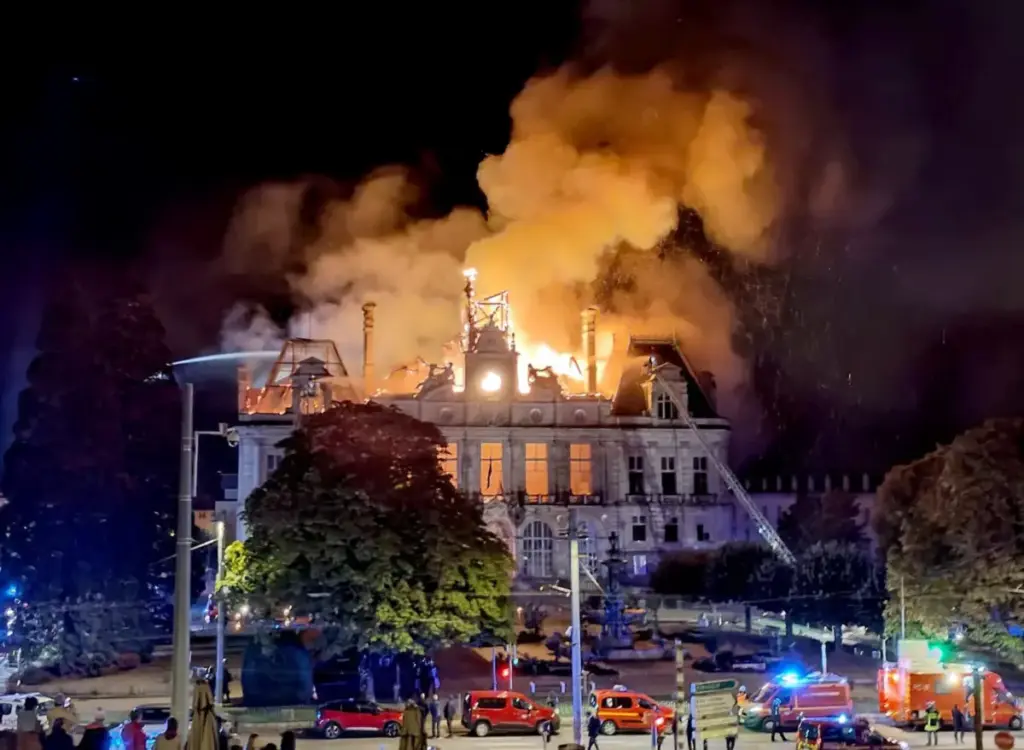
For half a millennium, the architecture of the modern world system has been fundamentally defined and directed by European nations. Beginning with the maritime expansions of the 15th century, developments originating on the European continent radiated outward, effectively shaping global political, economic, social, academic, and scientific standards. Even the bipolar geopolitical structure of the 20th century—dominated by the twin superpowers of the United States and the Soviet Union—functioned as a system firmly rooted in Western political philosophy.
Yet, over the past several decades, this historic hegemony has eroded. European countries have progressively lost their central role in dictating international politics, alongside a marked decline in their global share of overall productivity and fertility rates. As contemporary academics and intellectuals increasingly evaluate the long-term trajectory of the continent, a consensus emerges that the era of a distinctly Eurocentric worldview has come to an end. Europe no longer acts as the undisputed global standard-setter.
Comprehending this profound shift requires a rigorous examination of the foundational pillars that once sustained European global hegemony. Without analyzing the root causes behind this decline, anticipating the continent’s future remains impossible. Several key structural vulnerabilities have recently converged to undermine the competitive advantage and geopolitical security of European nations, signaling a transformation that reaches deep into the core of Western influence.
End of Free Security
The most significant development leaving European states strategically exposed is the prospective withdrawal of the security umbrella that the United States has reliably provided since the conclusion of the Second World War. Throughout the decades of the Cold War, Washington extended a vital nuclear deterrent over the European theater. In the post-Cold War era, the U.S. maintained a high level of engagement regarding threats directed at the continent.
However, U.S. policymakers have increasingly demanded that Europe shoulder the responsibility of its own defense. Repeated statements from Washington have underscored that the U.S. will no longer automatically step in to counter potential threats on the continent, prompting a gradual reduction of American troop deployments. This shifting strategic orientation exposes long-standing European deficiencies, ranging from critical ammunition shortages and command-and-control gaps to a complete lack of an independent nuclear deterrent.
Two major geopolitical shocks have brought these security anxieties to a head. The first is the invasion of Ukraine by the Russian Federation, which thrust the reality of a direct conventional threat squarely onto Europe’s doorstep. The second is the return of Donald Trump to the U.S. presidency, accompanied by a definitive scaling back of historical American security guarantees.
In response to these seismic shifts in the global balance of power, European capitals have initiated efforts toward defense self-sufficiency. Defense spending has risen significantly across the board, accompanied by a concerted political push to manufacture indigenous weapons systems through domestic corporate entities. To date, more than 20 multilateral defense funds have been established across the continent.
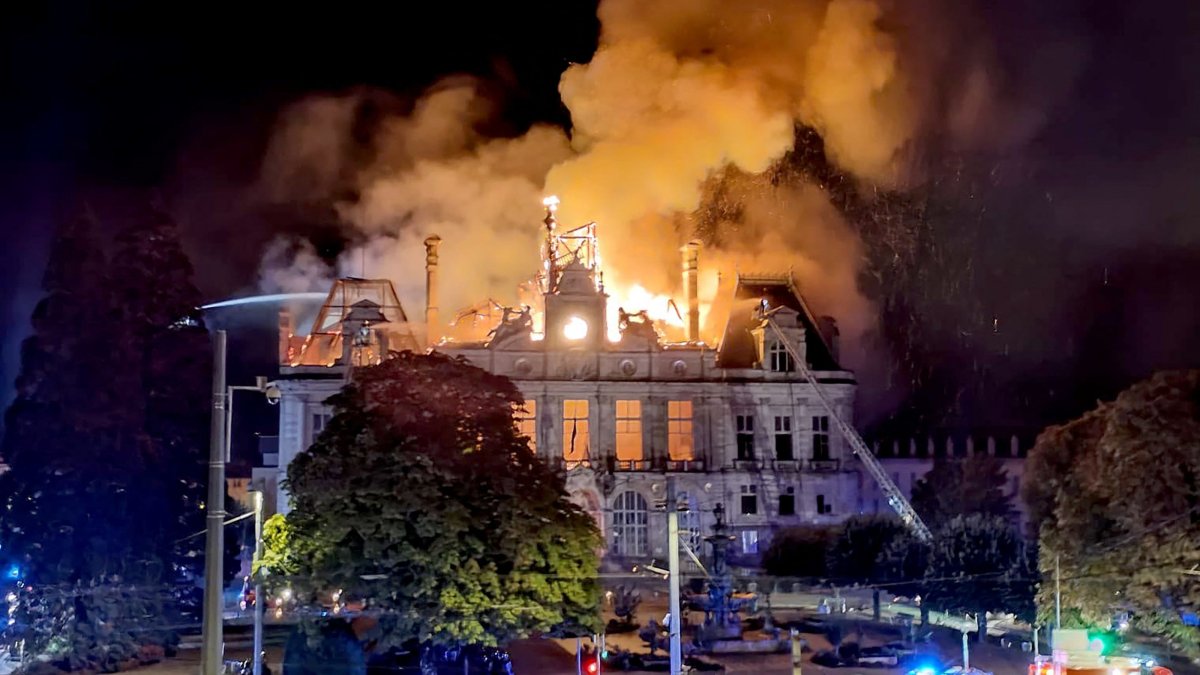
Among these initiatives, the largest is Readiness 2023—originally known as the ReArm Europe Plan—established by the European Union. Proposed as a strategic defense initiative by the European Commission, the framework aims to mobilize $800 billion to enhance military capabilities, reinforce defense infrastructure, and inoculate the continent against mounting geopolitical uncertainties.
Nevertheless, financing this massive military buildup carries severe economic consequences. European governments are routinely forced to divert crucial capital away from domestic economic development and public prosperity projects, exerting a notable drag on the broader European economy.
Absence of Low-Cost Markets
Compounding its security dilemmas, Europe has faced a contraction within one of its most lucrative and historically advantageous commercial markets. For decades, robust trade ties with China served as a critical engine for European industrial and economic growth. China stands as the EU’s second-largest trading partner, trailing only the United States, while the EU remains China’s second-largest partner behind the Association of Southeast Asian Nations. However, dwindling exports and an increasingly unbalanced foreign trade ledger have severely compromised European economic competitiveness.
Economic relations between Brussels and Beijing are increasingly characterized by acute competition and a widening trade deficit that consistently favors China. The bilateral trade deficit, which hovered around $150 billion in 2015, has more than doubled over the past decade. According to figures released by the European Commission, the EU’s trade deficit with China escalated from $304.5 billion in 2024 to $359.8 billion in 2025.
Data from 2025 highlights that manufactured goods constitute 97.3% of the EU’s total imports from China, whereas European exports to the Asian giant continue a persistent downward trajectory. Furthermore, the sheer volume of low-cost manufactured goods flooding European markets poses an existential threat to the continent’s foundational industrial base.
Within the European Union, policymakers harbor growing anxieties that Chinese industrial overcapacity and associated trade practices are accelerating the deindustrialization of Europe. In response, the EU is attempting to recalibrate its trade framework, deploying new economic defense instruments to mitigate dependency and counter structural vulnerabilities. In practice, the bloc finds itself on the precipice of a broader trade conflict with Beijing.
End of Cheap Energy
The vulnerability of the European economic model has been further exacerbated by a severe energy crisis, driven largely by two concurrent geopolitical conflicts: the war in Ukraine and regional hostilities involving Iran. As one of the most energy-dependent regions globally, Europe has absorbed the heaviest blows of shifting global commodity flows.
Historically, Russia served as Europe’s primary, low-cost energy supplier. Following the outbreak of the war in Ukraine, however, natural gas pipelines from Russia slowed to a trickle, cutting off accessible energy supplies and imposing immense financial burdens on European industries. Western sanctions regimes heavily contributed to this disruption. Under long-term legacy contracts, Russia was originally slated to supply gas valued at 475 billion euros; instead, due to sanctions and retaliatory supply cuts, actual imports during the period plummeted to just 197 billion euros.
Simultaneously, military escalations involving the U.S., Israel, and Iran sent shockwaves through global energy markets. In response to intensive military actions, Iran widened the scope of the conflict by targeting regional infrastructure and temporarily closing the Strait of Hormuz to oil shipments. Following the breakdown of diplomatic peace talks, European economies emerged among the hardest hit by the resulting turmoil in international oil and natural gas transit.
As traditional supply chains from Russia and the Gulf region fractured, the United States stepped in as the primary alternative supplier to meet European energy demands. Under a newly formalized transatlantic pact, the EU agreed to increase its energy imports from the U.S. by a factor of 2.5. While Europe historically imported between $90 billion and $100 billion in American energy products annually, this figure is scheduled to scale upward each year, leaving European economies heavily reliant on high-cost American liquefied natural gas and petroleum.
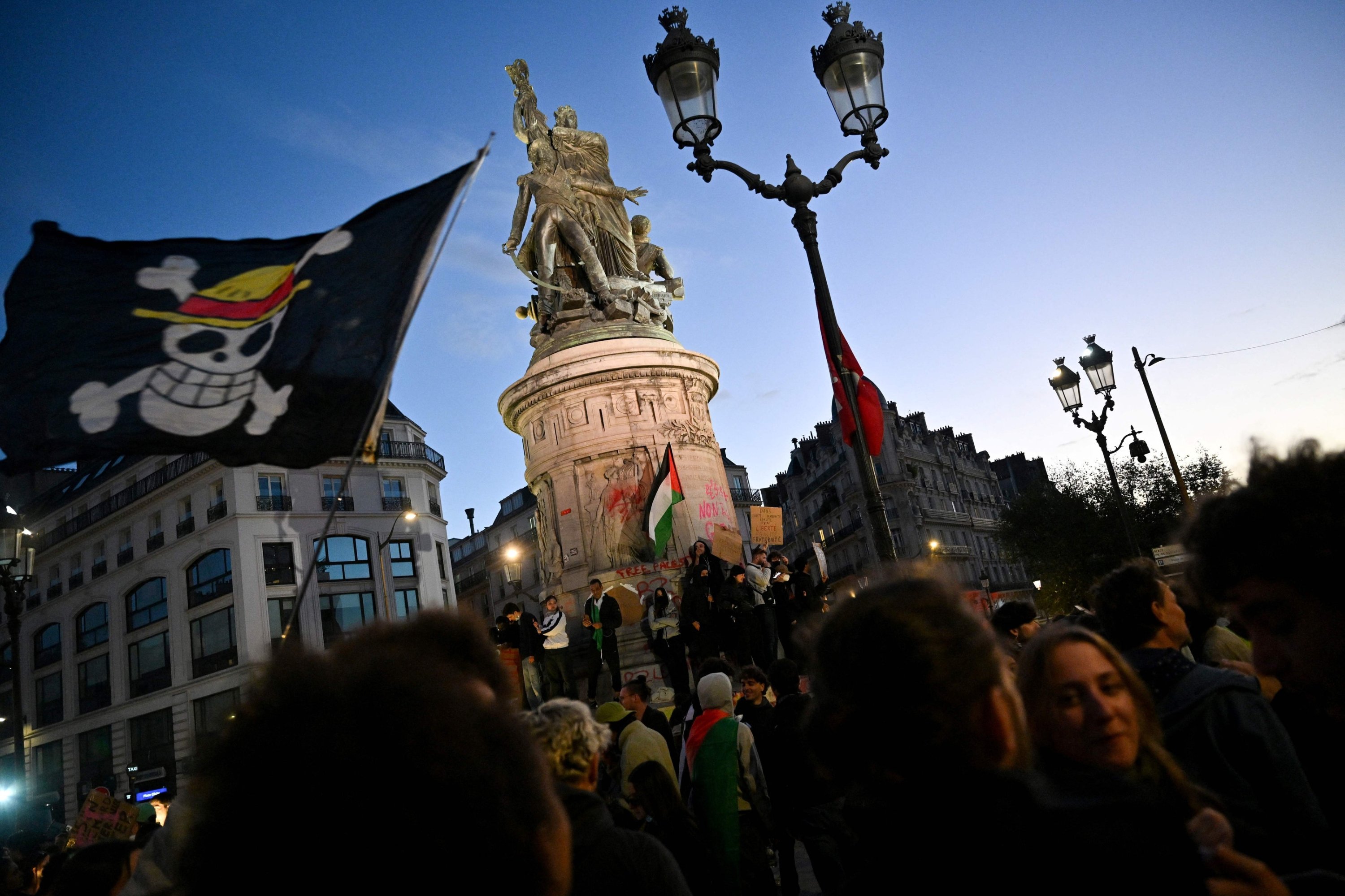
The compounding shock of elevated energy prices has directly fueled persistent inflation and stoked broader economic malaise across the continent. A recent wave of mass public protests sweeping European capitals reflects simmering civilian anger over soaring fuel tariffs, a punishing cost of living, and deteriorating public services.
Lack of Leaders and Legitimacy
Traditionally, European nations projected themselves as global standard-bearers for human rights, democracy, and the rule of law. Today, however, this foundational pillar of European soft power has suffered profound reputational damage.
A primary driver of this legitimacy deficit is the steadfast diplomatic and material support provided by major European governments and EU institutions for Israel’s military campaign in Gaza. For three consecutive years, millions of European citizens have taken to the streets to protest their governments’ complicity in civilian casualties. Critics and protesters alike point to a glaring double standard, arguing that European capitals display an aggressive defense of international law regarding Ukraine while remaining indifferent to identical humanitarian catastrophes within the Global South, particularly in Palestine.
Public discontent has deepened as citizens watch their governments curtail funding for essential domestic public services while simultaneously allocating billions of euros to support military operations abroad. Compounding this domestic alienation, the legitimacy of European administrations has been further challenged by heavy-handed police tactics deployed against citizens peacefully demonstrating against the violence in the Middle East.
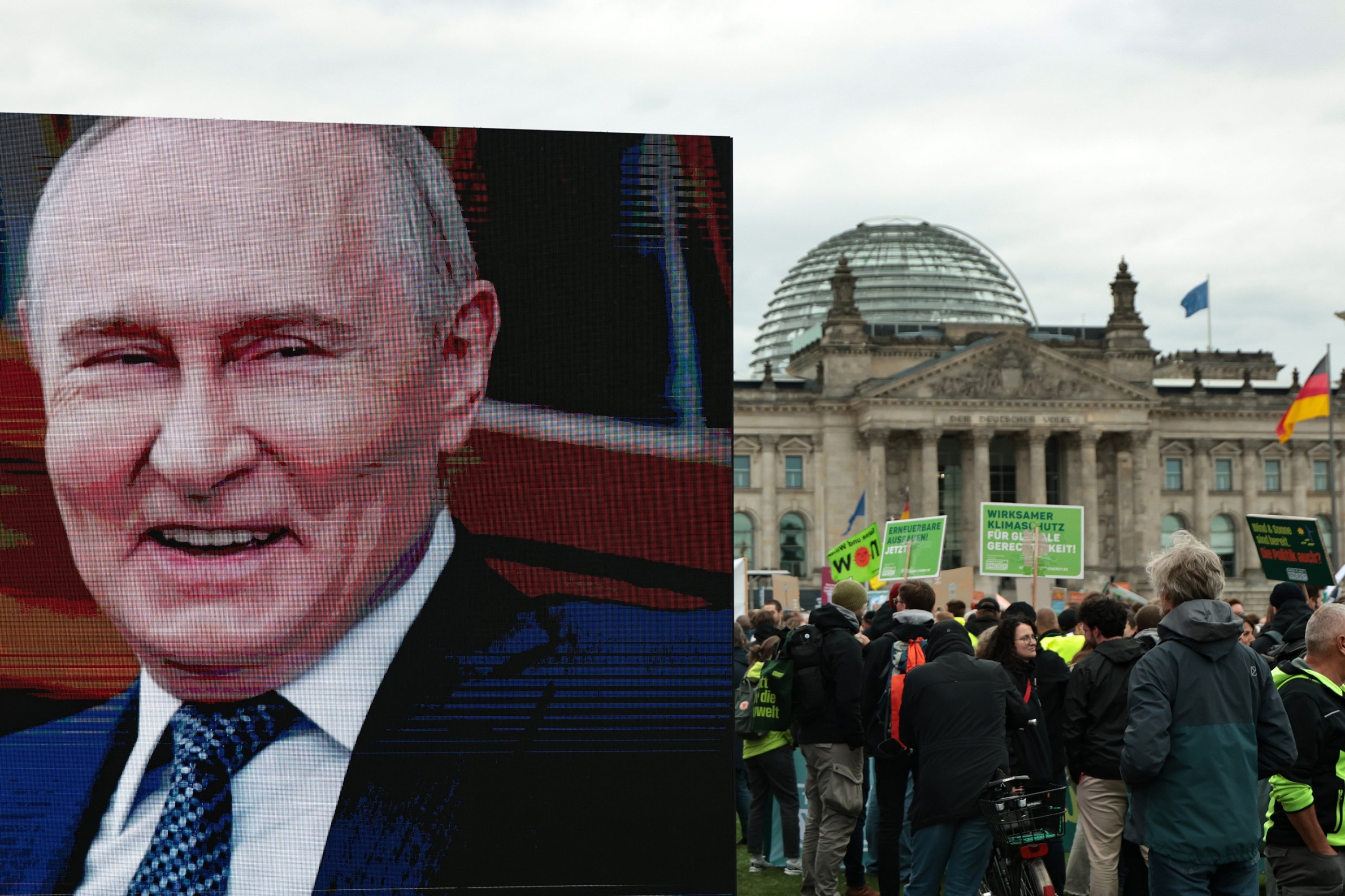
This crisis of governance extends to the domestic political sphere, where Europe’s vaunted model of liberal democracy faces unprecedented strain. In core nations such as France and Germany, public approval ratings for national leaders have slumped to historic lows, hobbling the political capital required to enact bold economic reforms or decisive foreign policies.
Compounding the crisis of public trust is a palpable absence of visionary leadership capable of uniting the continent. The transformative figures who once drove European integration—such as Helmut Kohl, Margaret Thatcher, and Jacques Delors—have been succeeded by technocratic or populist managers preoccupied with day-to-day crisis management. The traditional Franco-German axis, long considered the motor of European unity, currently lacks a cohesive shared vision. Consequently, European institutions have failed to articulate a unified strategic posture in the face of external threats, such as Russian aggression or fluctuating American security commitments.
Lack of Unity
Internal divisions and political friction among European states continue to compound the continent’s structural decline. Europe remains fractured along multiple fault lines: the economically dynamic North versus the struggling South, the more affluent West versus the developing East, mainstream political parties versus the ascendant radical right, and an expanding wealthy minority versus an increasingly impoverished majority.
These fractures are acutely visible in foreign policy. European capitals remain deeply divided over how to manage relations with major international actors. On Russia, Eastern European front-line states such as Poland and the Baltic republics view Moscow as an immediate existential threat, whereas Western powers like France and Italy favor a more restrained, moderate diplomacy. Furthermore, various far-right factions across Europe view the Kremlin favorably, while centrist politicians classify it as a hostile state. This internal discord prevents Europe from mounting a unified response to ongoing acts of infrastructure sabotage, cyberattacks, and violations of European airspace.
Similar divisions plague transatlantic relations. While some European governments remain staunchly Atlanticist and seek to preserve the traditional security architecture, others champion European strategic autonomy, pushing for a distinct defense identity independent of Washington.
Deep policy divergences are equally stark regarding the Middle East. While nations such as Spain, Ireland, Belgium, and Sweden actively advocate for the recognition of a Palestinian state, the suspension of the EU-Israel Association Agreement, and sanctions against extremist Israeli officials, countries like Germany, Austria, Hungary, and the Czech Republic maintain steadfast support for Tel Aviv. Proposals by southern European states to restrict economic ties with Israel are routinely blocked by heavyweights like Germany and Italy.
Despite the compounding pressures of these internal and external crises, European officialdom has largely demonstrated a reluctance to confront core systemic failures. Governments often favor low-profile crisis containment while searching for external scapegoats, shying away from decisive engagement with complex global challenges. Clinging to legacy attitudes toward non-Western nations and maintaining double standards in international diplomacy, European leadership risks running out of time to reverse a profound and historic decline.