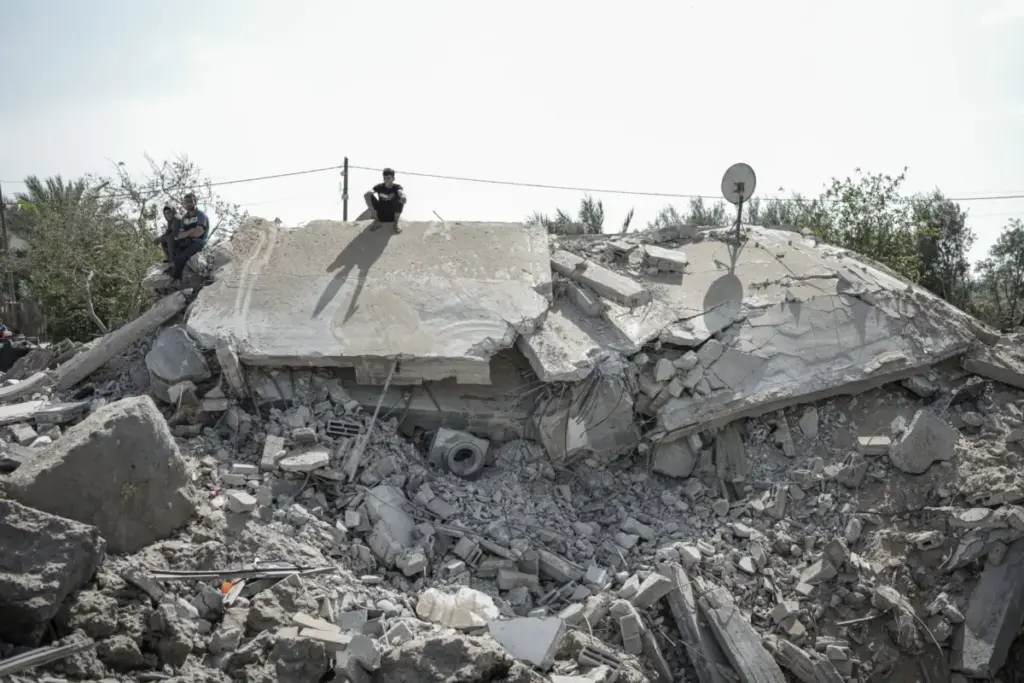
One year after a formal ceasefire was announced, humanitarian workers and vulnerable communities in Gaza continue to endure relentless bombardment, severe aid blockages, and an atmosphere of constant fear. In candid interviews, two Islamic Relief aid workers describe the stark reality of daily life under conditions where safety remains an illusion and basic survival is a daily struggle.
For millions of Palestinians living in the Gaza Strip, the word "ceasefire" bears little resemblance to their lived reality. According to local aid workers, the continuous roar of drones, ongoing airstrikes, and the constant threat of sudden violence mean that peace remains entirely out of reach.
"The current situation here in Gaza, with bombing and airstrikes still ongoing, cannot be called a ceasefire," says Layla, an Islamic Relief aid worker whose name, along with her colleague’s, has been changed to protect their safety. "There is no ceasefire in reality. They target displacement camps and crowded areas, so there is still a lot of fear."
The psychological toll of this perpetual state of crisis is profound. Residents cannot move freely through the streets—whether by car or on foot—without anxiety. The ubiquitous, low hum of overhead drones serves as an unrelenting reminder of danger, and even inside residential properties, safety is never guaranteed.
"We cannot say that we are 100% safe," Layla explains. "We are scared to even leave our homes, and of the noise of the drones above us. Even our homes themselves are unsafe. It’s hard to think you could be next. These are the hardships we’re facing; displacement, fear. The killing is non-stop and we cannot live our lives normally."
The Illusion of Safety Amid Massive Displacement
When news of the ceasefire initially broke, it brought a fleeting sense of relief to survivors who had already endured years of devastating conflict. However, that hope was quickly dashed as military operations and attacks persisted across the territory.
Sameer, another Islamic Relief aid worker, recalls the initial reaction contrasted with the harsh reality that followed. "When we heard the news about the ceasefire, it brought us some relief that we were still alive after what had happened over the 2 years before. But afterwards we saw that it was not a ceasefire from the Israeli side," he says.
The consequences of ongoing attacks are exacerbated by extreme overcrowding. Palestinians have been expelled from almost 70% of the Gaza Strip, forcing more than two million people to compress into just over 30% of the territory. This massive displacement has transformed remaining areas into densely packed zones of vulnerability.
"Just the other day, there was an attack nearby," Sameer notes. "It was in a crowded tent area with women and children around."
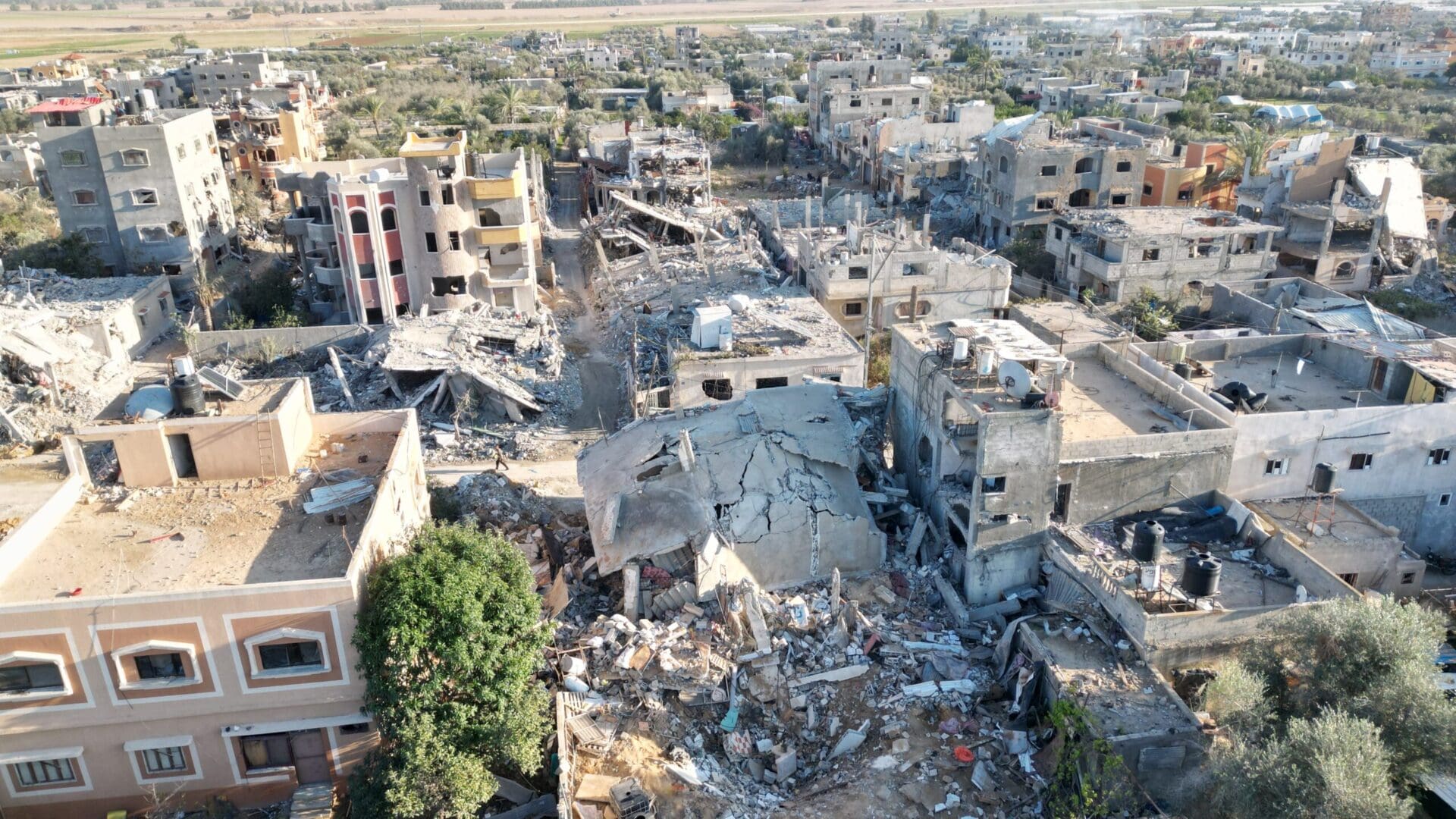
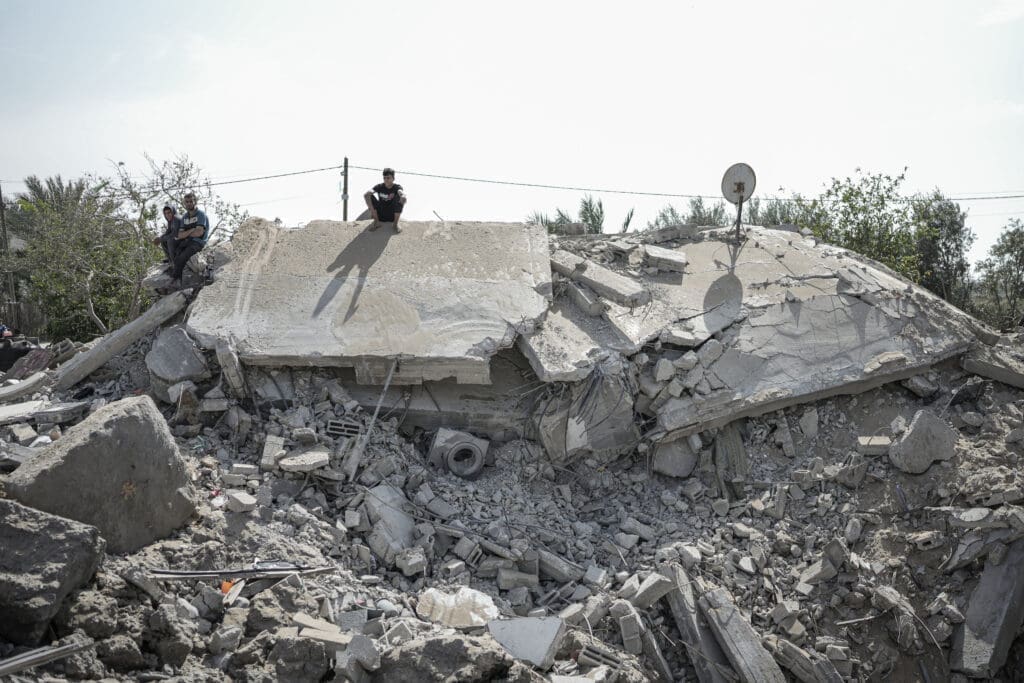
With the vast majority of Gaza’s housing stock damaged or completely destroyed over the years of conflict, the physical infrastructure offers little protection. Most families now shelter in makeshift tents or precariously damaged buildings that risk collapse at any moment.
"Most people are living in crowded tents and damaged buildings," Sameer adds. "I don’t know if you saw on the news, but a few weeks ago a damaged building collapsed on the sleeping children and families sheltering inside. Because of the attacks, there is no building good enough to live in."
This profound instability permeates every aspect of daily existence. Basic utilities, including reliable sources of clean drinking water and electricity, are exceedingly scarce. Simple routines, such as walking down the street or commuting to a workplace, are fraught with psychological distress.
"When I go out walking with my children, any time a car comes up beside us, I fear that there will be an attack," Sameer shares. "Even when we’re at home, there is fear in every moment. Even leaving to go to work… it’s difficult to explain that feeling because it’s become something in our minds, in our lives, in every move we make."
Layla echoes these sentiments, acknowledging the pervasive anxiety that defines her work and personal life. "I am afraid that I will lose one of my colleagues, that I will lose my life, or lose my family. But this is the situation here."
Aid Restrictions, Scarcity, and the Risk of Being Forgotten
The humanitarian crisis is compounded by severe restrictions on incoming aid and commercial goods. While limited supplies occasionally cross the border, humanitarian organizations report that the volume is nowhere near enough to meet the overwhelming needs of the population.
While isolated images on social media or news reports might occasionally depict functioning coffee shops or restaurants—reflecting the deep human desire to recover and rebuild—these glimpses often mask a much darker reality.
"People want to live, want to recover, but even when we are trying to recover, I always think there will be something that will disappoint us, something that will interrupt any progress we make," Layla says. She fears that international attention is fading as the conflict drags on, noting that Gaza risks becoming just another passing news cycle or social media trend.
Essential commodities remain heavily blocked, and those commercial goods that do enter are often sold at prices far beyond the reach of ordinary families. Coupled with a severe cash shortage and a lack of formal employment opportunities, the financial strain on households is immense. Furthermore, critical medical supplies, including treatments for chronic conditions like diabetes, remain critically short, leaving vulnerable patients in severe jeopardy.
Despite these staggering barriers, humanitarian workers continue to adapt their operations to reach those most in need. Islamic Relief has increasingly relied on food vouchers, a flexible approach that allows families to select items directly from local shops. This method not only restores a degree of dignity and choice to recipients but also bolsters surviving local businesses.
Particular focus has been directed toward marginalized groups, including individuals with disabilities who have largely been overlooked in the broader crisis. Islamic Relief also supports more than 25,000 orphaned children and their guardians, many of whom reside in desperate conditions within tent camps.
Reaching these vulnerable populations, however, requires running a daily gauntlet of security risks. Field staff must constantly verify whether intended travel routes are subject to active evacuation orders, bombing campaigns, or drone activity.
The Unwavering Resolve of Humanitarian Workers
For the staff on the ground, the motivation to keep working stems from a profound sense of moral obligation and deep solidarity with their community. Walking away is simply not an option.
"Even if it’s hard to travel or deliver aid, as humanitarian workers, we cannot just sit by and watch people suffering," Layla emphasizes. "We see them suffering and know we can help them, so we take the risk. In Gaza, just living is a big risk! We cannot see the struggles that people are facing and do nothing. It’s not in our nature or in the people of Gaza’s nature."
Acknowledging that their own living conditions, though difficult, may be slightly better than those forced to live entirely exposed in street tents or makeshift camps, local staff view their persistence as a duty to the wider community. Even when comprehensive solutions remain out of reach, small interventions can profoundly alter individual lives.
"The humanitarian work must go on. We cannot just stop," Layla concludes. "Even if our intervention cannot help all 2 million people in Gaza, we can still make a difference in people’s lives, and this is the motivation for humanitarian workers. This is what moves us, this is what encourages us to just keep going, to just bear the hardships we are facing—the mental hardship, the physical, the stress, the exhausting circumstances—and just keep going."
Despite immense hardship, staff and local partners in Gaza continue working to ensure vital support reaches the people who need it most. Continued assistance remains critical to sustaining this lifesaving work amid an ongoing and protracted crisis.