September 25, 2026
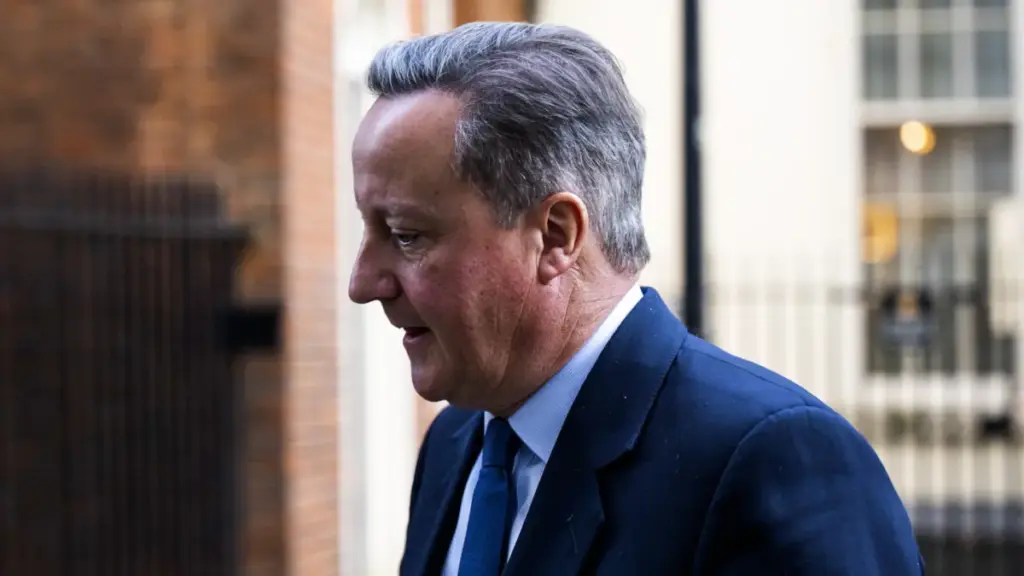
The United Kingdom’s foreign policy leadership faced intense scrutiny and visible hesitation during a parliamentary committee session, where then-Foreign Secretary David Cameron struggled to provide a clear response when repeatedly pressed on whether Israel had adhered to international humanitarian law during its military campaign in Gaza.

The exchange, which captured significant public attention and sparked sharp debate across the political spectrum, highlighted the mounting pressure facing Western governments as they attempt to balance longstanding diplomatic alliances with legal and moral obligations regarding the protection of civilians in armed conflict. During the appearance before the parliamentary committee, lawmakers directly questioned the Foreign Secretary regarding the legal assessments underpinning British arms exports and diplomatic positioning concerning the ongoing hostilities in the Gaza Strip.
Rather than offering a definitive assessment on whether Israeli military operations had crossed the threshold into breaches of international humanitarian law, the Foreign Secretary visibly struggled to articulate a direct answer. The hesitation underscored the complex and politically sensitive tightrope walked by British officials, who have consistently faced mounting demands from human rights organizations, legal experts, and various parliamentarians to adopt a more critical stance on the conduct of the war. Critics have argued that the reluctance of senior government figures to explicitly evaluate compliance with international norms undermines the international rules-based order and the credibility of UK foreign policy.
The parliamentary session served as a focal point for broader domestic and international anxieties surrounding the humanitarian catastrophe unfolding in Gaza. As mounting casualties, widespread displacement, and severe shortages of food, clean water, and medical supplies severely impacted the civilian population, governments worldwide faced escalating pressure to scrutinize their bilateral relationships and military cooperation agreements. In the United Kingdom, lawmakers from multiple parties have repeatedly utilized parliamentary questions, urgent debates, and committee hearings to demand transparency regarding the legal advice provided to the cabinet concerning arms export licenses to Israel.

Throughout the proceedings, committee members probed the mechanisms through which the Foreign, Commonwealth and Development Office evaluates the actions of foreign allies engaged in active military engagements. Under UK export licensing criteria, the government is required to suspend or revoke arms sales if there is a clear risk that the equipment might be used to commit or facilitate a serious violation of international humanitarian law. However, senior ministers have frequently maintained that while the situation on the ground is deeply concerning and subject to continuous review, formal legal determinations regarding specific violations are fraught with evidentiary challenges and depend heavily on evolving assessments from legal advisors and international bodies.
The difficulty experienced by the Foreign Secretary in addressing the committee’s inquiries resonated far beyond the walls of Parliament, drawing sharp reactions from advocacy groups, humanitarian agencies, and civil society organizations. Many of these groups have argued that equivocating on questions of international law sends a dangerous signal and fails to uphold the universal standards designed to protect non-combatants during times of war. Conversely, defenders of the government’s approach have emphasized the necessity of maintaining diplomatic channels and relying on established bureaucratic and legal procedures rather than making premature or politically driven pronouncements in the midst of a fluid and highly volatile conflict.
As the scrutiny surrounding the UK’s diplomatic and legal posture persists, the incident remains a notable marker of the intense political friction generated by the Gaza conflict within British democratic institutions. The episode encapsulates the broader dilemma confronting policymakers as they navigate the competing demands of strategic partnerships, domestic accountability, and adherence to international legal frameworks in an era of profound global crisis.