As winter descends upon the region, bringing freezing temperatures, heavy rain, and the constant threat of flooding, vulnerable communities in Gaza face an unprecedented humanitarian catastrophe. Every year, Islamic Relief’s Winterisation Programme steps in to help vulnerable people around the world stay safe and warm during the harshest months of the year. Last winter alone, the organization successfully reached more than 89,900 individuals across 19 countries and territories with vital aid, distributing warm clothes, blankets, firewood, and essential food parcels.
A central pillar of this ongoing global effort is cash support, which has become an increasingly important mechanism in modern humanitarian aid. By providing direct financial assistance, organizations enable displaced families to purchase the exact items they need most urgently. However, delivering this critical aid into Gaza remains exceptionally challenging. Despite an exceptionally volatile and dangerous operating environment, Islamic Relief staff and local partners continue to deliver daily assistance while constantly reviewing conditions on the ground to ensure that donor contributions reach those in desperate need as safely and reliably as possible.
Why Winter Compounds the Crisis for Displaced Families in Gaza
Nearly the entire population of Gaza is currently displaced, with hundreds of thousands of people forced to live in cramped tents, overcrowded communal shelters, or makeshift structures hastily erected along the enclave’s streets and beaches. Despite announcements of a ceasefire, families continue to grapple with the terrifying reality of ongoing attacks, severe shortages of basic daily essentials, and profound uncertainty hanging over every aspect of their lives.
The arrival of winter dramatically amplifies these hardships. Nighttime temperatures in Gaza frequently plummet to around six degrees centigrade, a chilling threshold made to feel significantly colder by biting coastal winds and heavy downpours. Seasonal flooding regularly submerges flimsy tents in standing water and raw sewage, leaving families cold, completely soaked, and acutely vulnerable to rapidly spreading illnesses.
Compounding these weather-related hazards, strict border controls maintained by Israel severely restrict the types and quantities of goods permitted to enter the enclave. Crucial humanitarian supplies are frequently blocked from reaching the people who need them most, driving a worsening humanitarian crisis as winter tightens its grip. Families are forced to inhabit torn, damaged tents that cannot be repaired or replaced because durable shelter materials are prohibited from crossing the border.
Furthermore, Gaza’s electricity supply remains effectively cut off, leaving residents entirely reliant on fuel-powered generators. Yet, catastrophic fuel shortages make it nearly impossible for families to heat makeshift homes or power vital civic infrastructure, including healthcare facilities. The price of engine oil required to keep emergency generators running has skyrocketed to an astronomical $900 per liter, placing basic survival entirely out of reach for the average household.
Islamic Relief’s Targeted Cash Assistance Strategy
To help vulnerable families prepare for and endure the freezing winter months, Islamic Relief is rolling out a targeted emergency response plan. The initiative will provide one-time, unconditional cash assistance directly to displaced individuals and families residing in shelters across Gaza.
Unconditional cash grants afford recipients the autonomy to purchase whatever commodities are most urgently required for their survival through the winter season. Families can utilize the funds to acquire warm winter clothing, essential heating materials such as firewood and cooking gas, nutritional food parcels, or to cover mounting medical bills.
The decision to rely heavily on cash assistance is rooted in its proven effectiveness as a fast, dignified method of humanitarian relief. Providing cash allows recipients to navigate fluctuating local markets and prioritize their own families’ immediate needs, thereby supporting their personal dignity while simultaneously injecting much-needed liquidity into local micro-economies. In an environment like Gaza, where commodity availability and pricing shift wildly on a daily basis, this operational flexibility is indispensable.
With the ongoing crisis having completely dismantled local livelihoods and stripped most residents of any reliable source of income, cash distributions bridge a critical gap. Even when basic items can occasionally be found in local markets, many families simply lack the financial liquidity required to purchase them. While Islamic Relief routinely utilizes cash programming throughout its global seasonal campaigns—including worldwide Ramadan and Qurbani distributions—this modality takes on heightened importance in acute crisis contexts where traditional supply chains and humanitarian access are severely fractured.
How the Digital Cash Distribution System Operates
To safely and efficiently deliver financial aid in a heavily disrupted environment, Islamic Relief utilizes an advanced electronic payment system that transfers funds directly into the digital wallets of eligible recipients in Gaza. Functioning similarly to a mobile banking application, this system bypasses the need for physical cash distribution events, which can attract dangerous crowds or pose security risks.
Instead, approved beneficiaries receive a direct digital transfer and an automated notification alerting them that the funds have arrived securely in their account. This digital currency can then be readily redeemed to purchase goods and services at a wide array of cooperating local shops and businesses.
Recognizing that many families in Gaza lack smartphones or reliable access to electricity, the payment mechanism was specifically engineered to function within harsh humanitarian settings. Beneficiaries can access and manage their digital wallets without a smartphone simply by utilizing basic SMS text messaging. This secure, efficient, and accessible technology is already widely deployed by United Nations agencies and international humanitarian organizations operating in Gaza and other complex emergency zones, minimizing the inherent risks associated with physical cash handling.
Rigorous Selection and Prioritization of Vulnerable Groups
In every region where it operates, Islamic Relief maintains a strict commitment to prioritizing the most vulnerable populations. In Gaza, this means focusing resources heavily on the poorest households and historically marginalized or underserved groups, including older adults, individuals with disabilities, widowed mothers, orphaned children, and long-term displaced persons.
To ensure transparency and avoid duplication of effort, Islamic Relief coordinates its operations closely through the established United Nations cluster system. This collaborative framework harmonizes the activities of various humanitarian organizations, helping map out and identify the communities facing the most severe risks.
In Gaza, where virtually the entire population is currently experiencing profound need, Islamic Relief works hand-in-hand with local partners and the UN cluster network to pinpoint shelters and neighborhoods anticipated to suffer the most from winter weather. Field teams then conduct thorough assessments on the ground to guarantee that assistance is deployed where it will have the deepest and most effective impact.
Navigating Severe Operational Challenges on the Ground
Delivering humanitarian aid inside Gaza remains an extraordinarily hazardous undertaking. The ongoing blockade enforced by Israel continues to heavily restrict the flow of relief personnel, humanitarian goods, and commercial cargo across the borders. Basic medicines, essential medical equipment, and robust shelter materials are routinely barred from entry, while critically ill patients are routinely prevented from leaving the enclave for life-saving medical treatment abroad.
Restrictions on fuel imports paralyze local hospitals, disrupt municipal water and sanitation networks, and severely hamper humanitarian fleet movements. Under a broad and restrictive "dual-use" classification system, Israeli authorities can deny entry to an array of everyday items, occasionally including basic educational supplies like paper and pencils for schoolchildren, as well as heavy machinery required for long-term recovery and reconstruction. Furthermore, strict caps imposed on cash entering the territory have triggered a severe liquidity crisis, which, alongside the functional collapse of Gaza’s domestic banking sector, creates immense operational hurdles for aid agencies.
The security landscape remains volatile and unpredictable. The Israeli military maintains extensive territorial control over large parts of Gaza, restricting humanitarian access to numerous areas. Persistent security incidents and violations of local ceasefires expose civilians to ongoing violence, while aid workers face extreme daily risks. According to humanitarian tracking, nearly 600 aid workers have been killed during the military campaign since October 2023, establishing Gaza as statistically the most dangerous place in the world to deliver humanitarian assistance. In addition, recent domestic Israeli legislation placing strict limits on the registration of international non-governmental organizations has created further bureaucratic obstacles for the international relief response.
Despite these staggering barriers, Islamic Relief staff and local partners on the ground continue to adapt their operations daily. Operating under conditions of profound shared trauma—where aid workers themselves are frequently displaced, grieving, and struggling to feed their own families—the team continuously modifies its plans based on real-time security developments and the fluctuating availability of goods in local markets.
Comprehensive Support Beyond the Winter Months
While the immediate focus remains on surviving the harsh winter conditions, Islamic Relief’s engagement in Gaza extends far beyond seasonal distributions. Working in close collaboration with a network of local and international non-governmental organizations, the agency delivers a broad suite of life-saving and developmental interventions.
Among its key ongoing initiatives is specialized healthcare provision tailored for pregnant women, new mothers, and infants. Displaced women frequently receive essential antenatal care services, critical vitamins, and necessary medications to safeguard maternal and neonatal health.
Islamic Relief is also actively supporting eight temporary learning centers designed for displaced children who have been deprived of formal education for years. These projects involve rehabilitating and equipping damaged facilities, training local educators, and providing vital psychosocial support to help traumatized children process their experiences. Hundreds of primary and kindergarten-aged children currently attend classes spanning a diverse range of foundational subjects.
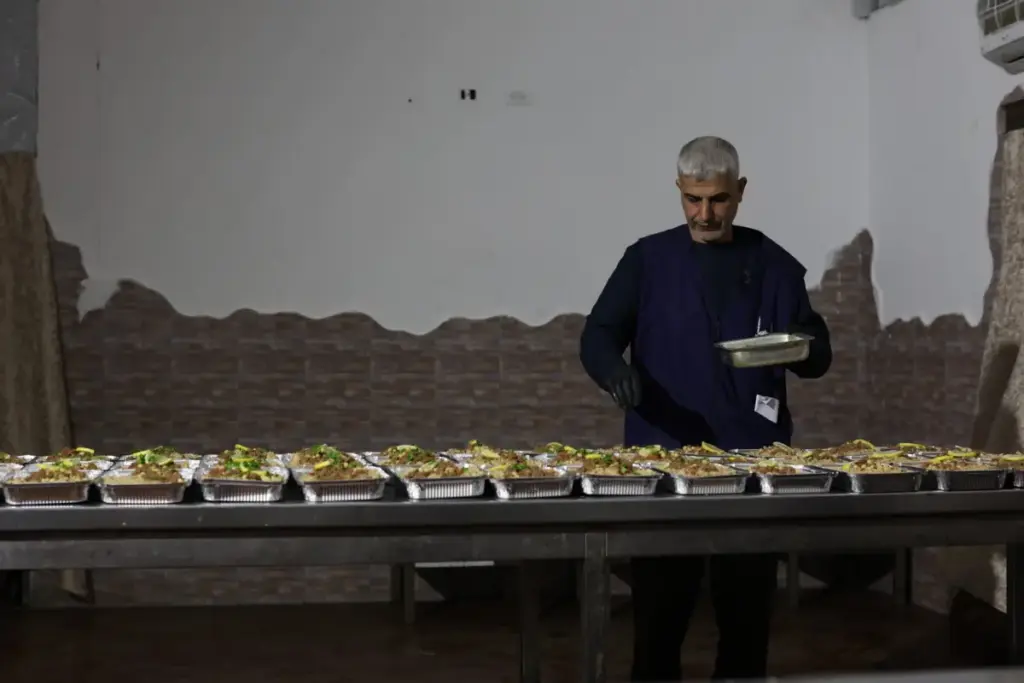
Generous donor contributions continue to bolster efforts to combat a debilitating food crisis across the enclave, enabling teams to distribute hot meals to displaced populations and supply essential canned protein products. Furthermore, Islamic Relief supports over 25,000 orphaned children and their surviving caregivers through regular sponsorship grants. These financial contributions empower families to secure basic necessities, including food supplies, adequate shelter materials, and necessary medical care.
Having maintained a continuous operational presence in Gaza throughout the current crisis and supporting vulnerable Palestinians since 1997, Islamic Relief remains committed to both immediate relief and long-term advocacy. The organization continues to advocate vociferously for a just future for the Palestinian people, calling for an an end to the systemic conditions that drive poverty and injustice while stripping individuals of their fundamental human rights and personal dignity.