What goes into creating a video game world? From the intricate objects that fill a virtual room to the sweeping characters and immersive environments that underpin modern video games, every digital detail begins with a creative idea.
In September, the V&A Innovate team offered educators and students an exclusive behind-the-scenes look into the dynamic world of game art. Led by Senior 3D Hard Surface Artist Aris Chrysikopoulos, the interactive webinar explored the complex processes behind crafting 3D spaces for video games, while also providing valuable guidance for students aspiring to carve out their own careers in the fast-growing gaming industry.
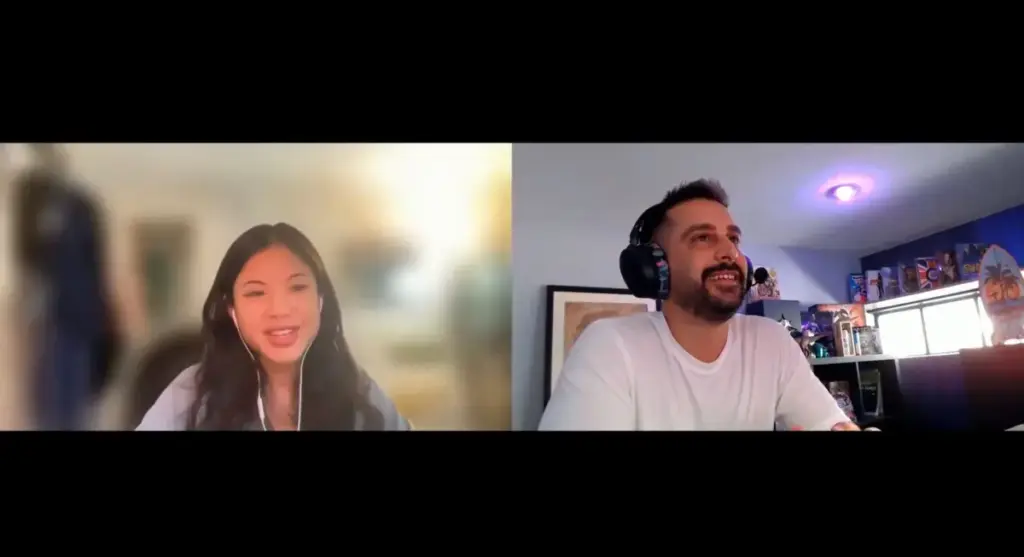
The event, hosted as part of the museum’s ongoing educational outreach, brought together students, teachers, and digital creatives to demystify the pipeline of game development. Alongside Chrysikopoulos, the session featured Digital World Adobe Creative Resident Maria Than, offering attendees a comprehensive view of how traditional artistry, modern 3D software, and cutting-edge creative technologies intersect in the professional design world.
From Childhood Imagination to Industry Professional
Aris began the session by showcasing his diverse portfolio to the virtual audience, offering a visual journey through the myriad projects he has brought to life over the years. By presenting early concept sketches alongside finished, rendered assets, he illustrated the transformative journey from a simple spark of inspiration to a fully interactive digital experience.
Reflecting on his daily work, Chrysikopoulos explained that every single design in his portfolio started as a basic concept. His primary professional responsibility is to help turn those initial ideas into tangible elements that players can explore, interact with, and experience from a first-person or third-person perspective inside a game.
He noted that one of the aspects he loves most about his profession is the sheer variety it offers. One day might find him designing a sleek, futuristic spaceship, while the next could involve modeling a historical machine gun or constructing an expansive, detailed environment. He emphasized that there is always something new to learn, noting that this constant evolution is a primary reason he still finds deep fulfillment in his work every single day.

Chrysikopoulos also shared his personal gratitude for having turned a childhood passion into a sustainable and rewarding profession. Even after years in the industry, he expressed ongoing amazement that he gets to utilize his imagination and creativity daily to design components that eventually become permanent fixtures of celebrated video games.
Detailing his career path, Chrysikopoulos traced his roots back to Athens, where he grew up spending countless hours playing formative video games such as Spyro, Tomb Raider, and Age of Empires. Beyond gaming, cinema played a profound role in shaping his artistic sensibilities, with films—particularly those featuring dinosaurs—capturing his imagination. Fascination with prehistoric creatures eventually led to his very first professional game development project.
Starting out initially as a volunteer for an independent game developer, Chrysikopoulos steadily honed his technical skills and built an impressive curriculum vitae. Through dedication and perseverance, he transitioned from unpaid collaborative projects to securing paid professional roles on major, high-profile titles such as Star Citizen and its companion project, Squadron 42.

Demonstrating 3D Design in Practice
Following his portfolio presentation and career retrospective, Chrysikopoulos led a live technical demonstration using Blender, one of the industry-standard 3D art tools he frequently relies upon in his professional workflow. The demonstration was specifically tailored to be accessible for students, showing them how to embark on their own 3D design journey by starting with relatively simple objects.
For the demonstration, Chrysikopoulos chose to model a sci-fi crate—a foundational asset that might typically feature in wider game environments to help build out a realistic, atmospheric setting. By breaking down the modeling process into digestible visual steps, he demonstrated how complex scenes are ultimately constructed from basic geometric building blocks. The live demonstration was recorded as part of the webinar, with instructions for schools to request access to the video provided through the V&A museum’s educational channels.
Expanding Horizons with Creative AI and Interactive Art
After the 3D modeling segment, the audience was introduced to Maria Than, a Digital World Adobe Creative Resident known for her innovative interactive artworks. Than presented her unique creative practice, which notably involves utilizing creative artificial intelligence for generating spiritual Buddhist imagery.

By applying specific cultural and spiritual principles to her algorithmic outputs, Than’s work actively engages with and challenges modern ethical dilemmas surrounding technology, authenticity, and representation in digital art. Her presentation provided attendees with a broader perspective on how digital tools are expanding beyond traditional entertainment and gaming into the realms of conceptual art, philosophy, and social critique.
The session concluded with a dynamic Q&A segment moderated between Maria Than and Aris Chrysikopoulos. During this interactive portion of the webinar, participating students and teachers had the opportunity to ask the guest artists burning questions about technical workflows, industry standards, and pathways into creative employment.
Advice for Aspiring Digital Artists
For students inspired by the webinar who wish to embark on their own 3D art journey and experiment with software like Blender or ZBrush, Chrysikopoulos offered core foundational advice. He emphasized the importance of starting small with manageable projects, maintaining a consistent habit of creating work regularly, and keeping an overarching passion for the medium alive throughout the learning process.

Educators and schools interested in viewing the complete webinar recording can request access by emailing the V&A Innovate team with their school information.
Meanwhile, registration and entry submissions are officially open for the 2026-27 Innovate National Schools Challenge. The competition invites student groups in years 7, 8, and 9 from state schools across England to participate. This year’s core themes focus on the concepts of Simplify, Empower, and Nurture. Comprehensive resources, including a dedicated theme inspiration pack alongside Teacher and Student Toolkits designed to assist participants through their creative design journey and submission process, are now fully accessible on the official Victoria and Albert Museum website.