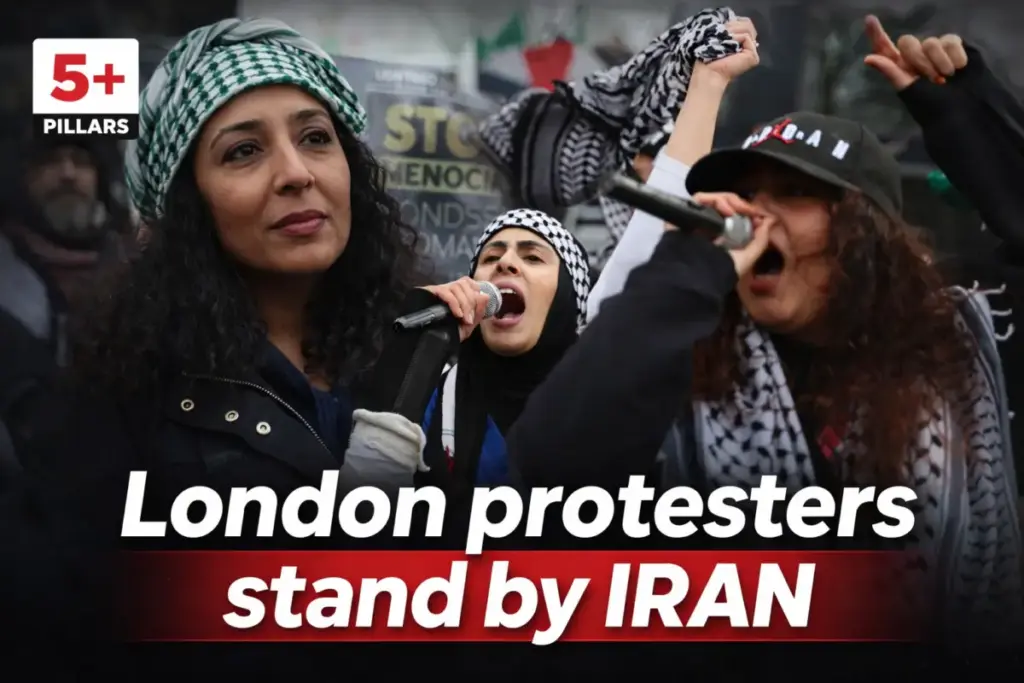
The demonstration brought together a diverse coalition of peace activists, community organizers, and concerned citizens who gathered to demand an immediate halt to hostilities. Protesters expressed profound alarm over the trajectory of the conflict, warning that ongoing military escalations threaten to plunge the wider Middle East into a catastrophic regional war with global repercussions. Central to the message delivered by the speakers and attendees was a firm demand that the British government distance itself entirely from any involvement in the military maneuvers being orchestrated by Washington and Tel Aviv.
Throughout the march, a sea of placards and banners filled the London air, reflecting a broad range of geopolitical grievances and specific policy demands directed at Western leaders. Prominent among the messages displayed were signs declaring "Stop Trump’s wars," highlighting ongoing anxieties surrounding the enduring influence of hawkish foreign policy doctrines. Other placards focused directly on domestic leadership, with demonstrators urging Prime Minister Keir Starmer to alter course immediately. Messages reading "Tell Starmer: stop arming Israel" underscored widespread domestic discontent regarding the United Kingdom’s continued military and diplomatic support for the Israeli government amid its multifront military campaigns.

In addition to demands concerning arms exports and foreign alliances, protesters raised broader issues regarding international law, regional stability, and nuclear policies. Placards calling to "end nuclear hypocrisy" drew attention to what activists described as double standards in the application of international non-proliferation norms, particularly regarding regional nuclear capabilities. Slogans such as "Stop bombing Iran" reinforced the immediate humanitarian and political priority of the mobilization, calling for an unconditional cessation of airstrikes and military provocations against Iranian territory.
The visual display was further enriched by a vibrant array of national and solidarity flags. Alongside standard banners representing peace and anti-war coalitions, demonstrators waved Palestinian and Iranian flags, emphasizing a shared narrative of resistance against Western military intervention and occupation across the Middle East. The presence of these flags highlighted the interconnected nature of the grievances voiced by the crowd, linking the plight of populations under bombardment in Gaza and Lebanon with the emerging military threats facing Iran.
The protest comes at a time of acute international tension, with diplomatic channels appearing increasingly strained and military posturing intensifying across the region. For months, communities across the United Kingdom have mobilized on a recurring basis to protest Western military policies in the Middle East. Saturday’s demonstration, however, marked a distinct escalation in focus, centering explicitly on the dangers of a direct, expanded war involving Iran and the profound risks such a conflict poses to international peace and security.

Speakers addressing the crowds underscored the immense responsibility resting on Western governments, arguing that continued diplomatic complicity and military backing for aggressive actions make the UK an active participant in regional instability. Activists urged the public to maintain pressure on elected representatives, calling for mass public mobilization to force a fundamental reassessment of British foreign policy. As the march concluded, organizers vowed to continue their grassroots campaign, promising further demonstrations and public actions until the calls for peace, an end to arms transfers, and non-intervention are heeded by policymakers in Westminster.