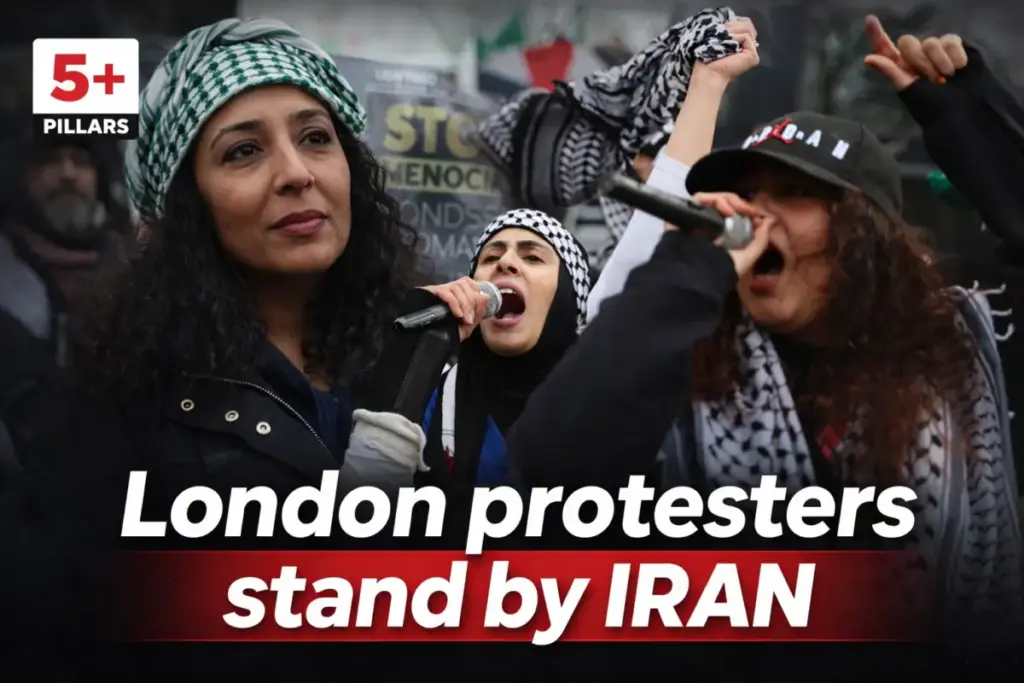
The demonstration unfolded against a backdrop of mounting international anxiety regarding the potential for a catastrophic escalation of conflict involving Iran, regional actors, and Western powers. Protesters gathered in high spirits despite the gravity of the subject matter, moving through prominent London streets while voicing deep-seated opposition to foreign military campaigns. Throughout the march, the atmosphere was defined by solidarity with populations affected by ongoing military actions, with particular emphasis placed on the interconnected nature of struggles across the Middle East, from Palestine to Iran.

Activists at the forefront of the march ensured that the core message remained sharply focused on political accountability, directing their demands both internationally and domestically. A prominent target of the demonstrators’ ire was the current trajectory of Western foreign policy, which they argued continues to prioritize militarism over diplomacy. Placed high above the crowd were numerous placards bearing slogans such as "Stop Trump’s wars," a clear reference to the enduring legacy and ongoing influence of hawkish American foreign policy doctrines. At the same time, domestic leaders were held directly accountable for their complicity in overseas conflicts, with specific signs reading "Tell Starmer: stop arming Israel." These messages highlighted a widespread frustration among the British public regarding the United Kingdom’s diplomatic and material support for military strategies pursued by its key allies in the region.
In addition to demanding an end to the active targeting of Iranian infrastructure and military assets, protesters also drew attention to broader issues of international security and double standards in global diplomacy. Placards demanding an "End to nuclear hypocrisy" reflected long-standing grievances regarding the selective enforcement of international non-proliferation norms and the unchecked nuclear capabilities maintained by certain states in the Middle East while others face severe economic strangulation and military threats under the pretext of curbing their nuclear ambitions. Waving a mix of Iranian and Palestinian flags, the demonstrators sought to draw a direct line between the suffering inflicted by decades of occupation and blockade in Palestine and the newer, deeply alarming waves of direct military confrontation directed at Tehran.

The urgency of the demonstration was further underscored by speeches and chants emphasizing the catastrophic humanitarian and economic fallout that a full-scale war involving Iran would unleash upon the world. Speakers and organizers addressed the crowds, warning that any military adventures undertaken by Washington and Tel Aviv would not only devastate the immediate region but would also trigger global economic shockwaves, displace millions of vulnerable people, and invite endless cycles of retaliation and instability. For the thousands of individuals who chose to spend their weekend marching through London, the imperative was clear: the United Kingdom must not become an accessory to a conflict born of geopolitical hubris.
As the march progressed past iconic London landmarks, onlookers and tourists paused to observe the vast scale of the mobilization, which reflected a deep and persistent anti-war sentiment deeply rooted in British civil society. The event served as a stark reminder that despite official government alignments and the steady stream of establishment narratives supporting allied military interventions, a substantial and vocal segment of the domestic population remains vehemently opposed to foreign wars of choice. By demanding that the UK government stay well clear of involvement in what they termed a crazy and reckless confrontation, the demonstrators in London added their voices to a growing global chorus calling for de-escalation, respect for national sovereignty, and an immediate return to diplomatic resolution mechanisms across the Middle East.