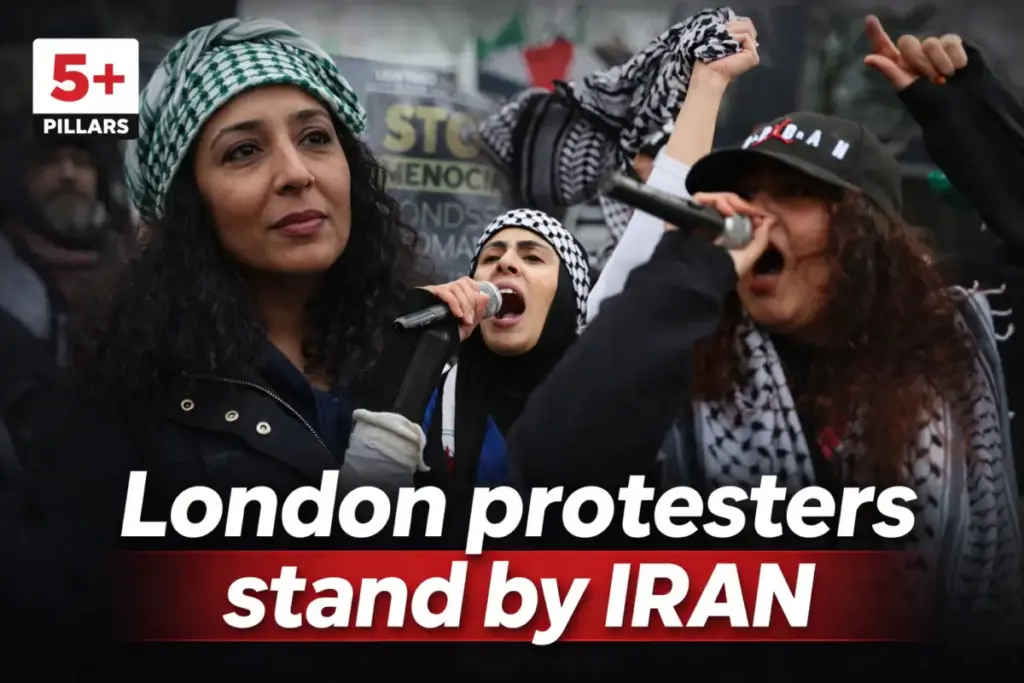
The vibrant yet solemn march wound its way through prominent thoroughfares of the British capital, accompanied by a heavy presence of police and stewards who managed the traffic disruptions caused by the immense crowds. Protesters carried an array of banners, placards, and flags that clearly signaled their demands and grievances regarding Western foreign policy in the region. Prominent among the visual displays were Iranian and Palestinian flags, reflecting a broader sense of solidarity among anti-war campaigners who view the ongoing military actions as part of an interconnected pattern of regional aggression.

Placards held high by the marching throngs bore direct and targeted political messages aimed at international and domestic leaders alike. Slogans painted or printed on the signs included "Stop Trump’s wars," "Tell Starmer: stop arming Israel," "End nuclear hypocrisy," and "Stop bombing Iran." These rallying cries underscored the multifaceted nature of the protest, which linked the immediate crisis involving Iran to long-standing grievances regarding Western military interventions, double standards in nuclear policy, and the ongoing supply of military equipment and logistical support to the Israeli government.
Speakers and organizers addressing the crowds at designated rally points emphasized the extreme danger posed by the current trajectory of US and Israeli policy toward Tehran. Activists argued that a military conflict with Iran would not only devastate the nation itself but would also ignite a catastrophic, wide-ranging conflagration across the entire Middle East, with severe global economic and humanitarian repercussions. The demonstrators strongly urged Prime Minister Keir Starmer’s administration to break away from Washington’s military strategies and refuse any participation in operations targeting Iranian territory or infrastructure.

The atmosphere of the demonstration captured a deep sense of urgency and public anxiety over the potential for World War III or a prolonged regional war. Many participants expressed profound frustration with what they perceived as complicity by the British government in enabling foreign military campaigns through diplomatic backing, intelligence sharing, or the continued authorization of arms exports. The demand for an immediate halt to the arming of Israel was a recurring theme, tying the protests against the war on Iran to the broader movement for Palestinian rights and regional de-escalation that has dominated British street politics over recent months.
As the march concluded without major incidents, organizers vowed to continue their mobilization efforts if the British government fails to heed public calls for non-intervention and peace. The demonstration stands as one of the significant public outpourings in London addressing the direct military confrontation involving Iran, signaling that domestic resistance to foreign wars remains a potent and active force within the United Kingdom’s political landscape.