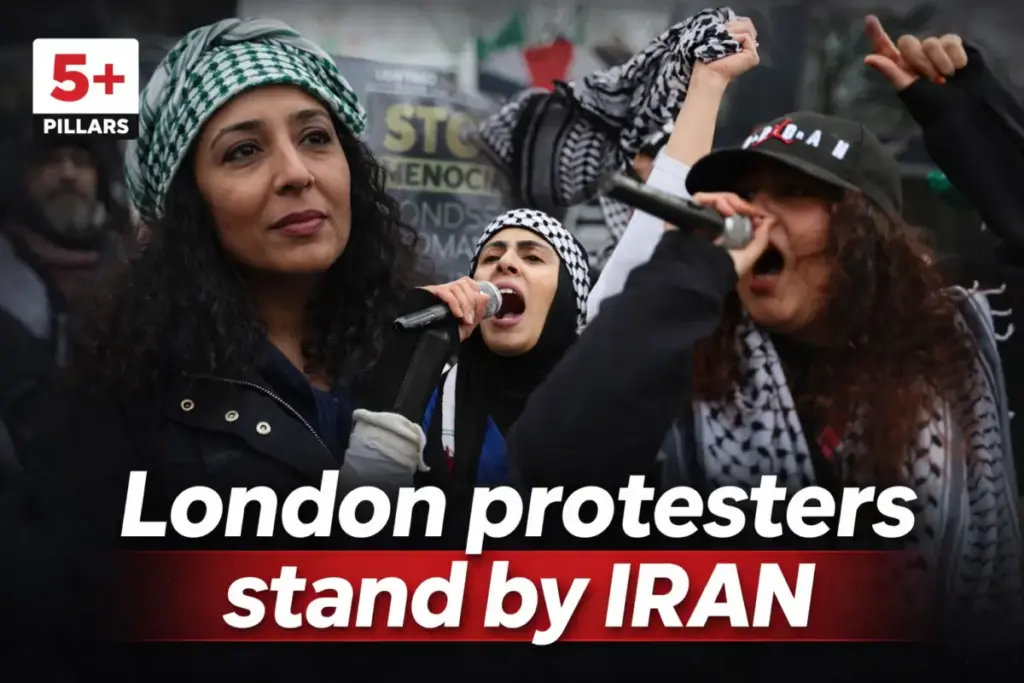
The demonstration, which drew participants from a wide array of civil rights groups, anti-war coalitions, and community organizations, wound its way through major thoroughfares in the British capital. Chanting slogans and carrying a diverse assortment of banners and placards, the protesters sought to draw public attention to the devastating human and geopolitical consequences of ongoing military escalations in the Middle East. Many attendees expressed profound anxiety that the current trajectory of foreign policy decisions in Washington, Tel Aviv, and London threatens to ignite a catastrophic regional conflict with global repercussions.
A central theme of the London march was a direct appeal to British Prime Minister Keir Starmer and his administration. Demonstrators carried signs bearing direct messages, including placards that read "tell Starmer: stop arming Israel," "stop Trump’s wars," "end nuclear hypocrisy," and "stop bombing Iran." The messaging reflected a deep-seated frustration among activists regarding the United Kingdom’s diplomatic and military alignment with its international allies. Protesters argued that British complicity in supplying arms and offering diplomatic cover for military campaigns abroad makes the UK an active participant in violations of international law and human rights.

The visual display at the demonstration was marked by a prominent mix of solidarity symbols. Alongside anti-war banners, participants waved Palestinian flags and Iranian flags, creating a unified front of resistance against what speakers and organizers described as an interconnected web of imperialist aggression and occupation in the region. The inclusion of multiple national and regional flags underscored the broader coalition-building efforts of the anti-war movement in Britain, which frequently links the plight of Palestinians in Gaza and the West Bank with broader military maneuvers targeting Iran and its allies.
Speakers addressing the assembled crowds focused heavily on the perceived insanity of pursuing military solutions to complex geopolitical disputes. Activists condemned the United States and Israel for initiating and escalating hostilities, labeling the campaign against Iran as a reckless venture that serves no interest other than maintaining regional hegemony through violence. There was widespread agreement among the speakers that ordinary citizens in the West bear the moral responsibility to demand accountability from their elected officials, who they accused of prioritizing geopolitical dominance over the safety and well-being of global populations.
The demonstration also highlighted longstanding concerns regarding double standards in international diplomacy, particularly concerning nuclear capabilities in the Middle East. Placards demanding an end to nuclear hypocrisy pointed to the unacknowledged nuclear arsenal held by Israel while Western powers simultaneously seek to impose severe economic and military penalties on Iran over its nuclear program. Activists argued that such selective enforcement of international norms undermines global security and erodes trust in international institutions designed to maintain peace.

Security personnel and local law enforcement monitored the march as it proceeded through the city, though the demonstration remained largely peaceful, driven by the collective energy of the speeches, chants, and musical interludes characteristic of major British political protests. The turnout demonstrated that public opposition to foreign wars remains a potent political force within the United Kingdom, capable of mobilizing thousands of people on short notice to challenge the foreign policy consensus of the political establishment.
As the rally concluded, organizers vowed to continue their grassroots mobilization efforts, promising further demonstrations, public meetings, and lobbying campaigns aimed at forcing a shift in British foreign policy. The central demand remained unequivocal: an immediate cessation of hostilities against Iran, an end to British arms sales that facilitate military aggression, and a firm commitment from Downing Street to steer clear of any involvement in a war that protesters warned could engulf the entire region and beyond.