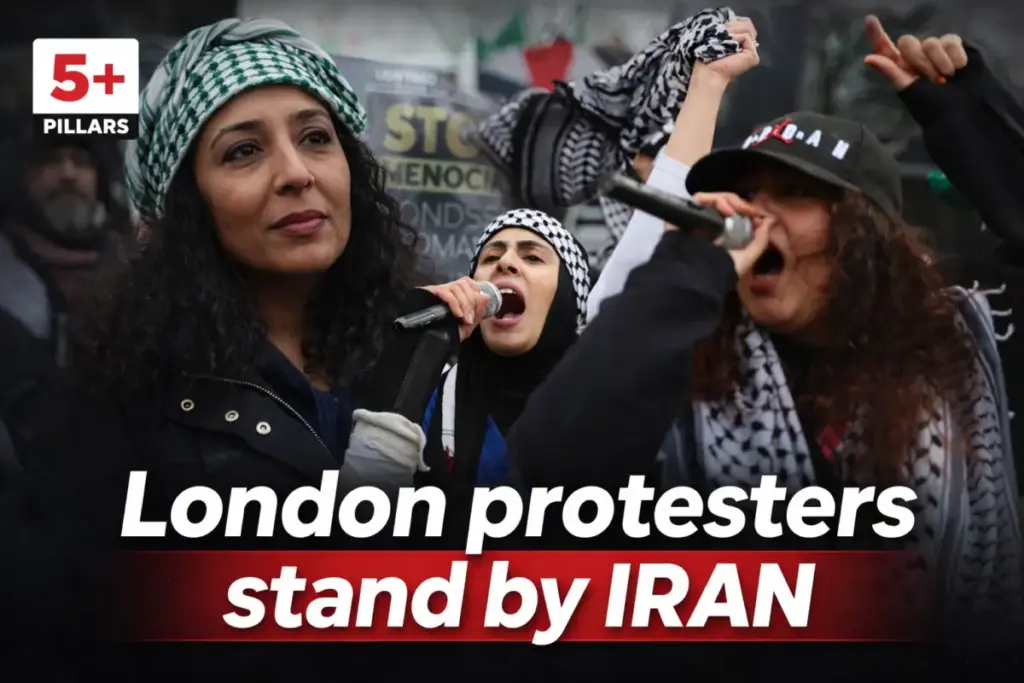
The march wound its way through prominent thoroughfares of the British capital, creating a striking visual display of solidarity with the Iranian people while simultaneously directing sharp criticism at both Washington and London. Participants carried an array of vibrant banners, homemade signs, and flags, filling the air with chanted slogans demanding an immediate halt to foreign military intervention and an end to foreign policies that protesters argue are pushing the region toward catastrophic conflict.

Among the prominent messages displayed on the placards carried by activists were calls directed at the highest levels of political leadership. Signs reading "stop Trump’s wars," "tell Starmer: stop arming Israel," "end nuclear hypocrisy," and "stop bombing Iran" dominated the procession. In addition to textual messages condemning military aggression, the sea of protesters prominently featured Iranian and Palestinian flags, illustrating a broader sense of international solidarity among anti-war movements linking various struggles across the Middle East.
The central demand unifying the diverse crowds in London was a firm insistence that the United Kingdom maintain strict neutrality and steer entirely clear of any involvement in what speakers and organizers characterized as a senseless, aggressive war. Activists expressed profound alarm over the trajectory of international relations, warning that British diplomatic and military alignment with United States and Israeli strategies could drag the country into a devastating military quagmire with global repercussions.

Speakers addressing the crowds underscored the immense dangers posed by the ongoing hostilities, arguing that military actions against Iran threaten not only the immediate region but international peace and security as a whole. Protesters urged Prime Minister Keir Starmer’s government to recalibrate its foreign policy stance, breaking away from unconditional military support and arms transfers that activists claim facilitate ongoing violence. Instead, the demonstrators advocated for diplomacy, international law, and the peaceful resolution of disputes as the only viable pathways to stability.
The demonstration in London mirrors growing international anxiety over the rapid escalation of hostilities involving the United States, Israel, and Iran. As diplomatic channels remain strained and military postures harden, grassroots movements across Europe and beyond have increasingly mobilized to voice public dissent against policies they fear could ignite a wider conflagration. Sunday’s march in the British capital stands as one of the most visible expressions of this anti-war sentiment, reflecting deep-seated public skepticism regarding Western military interventions in the Middle East and underscoring persistent domestic pressure on political leaders to prioritize peace over conflict.