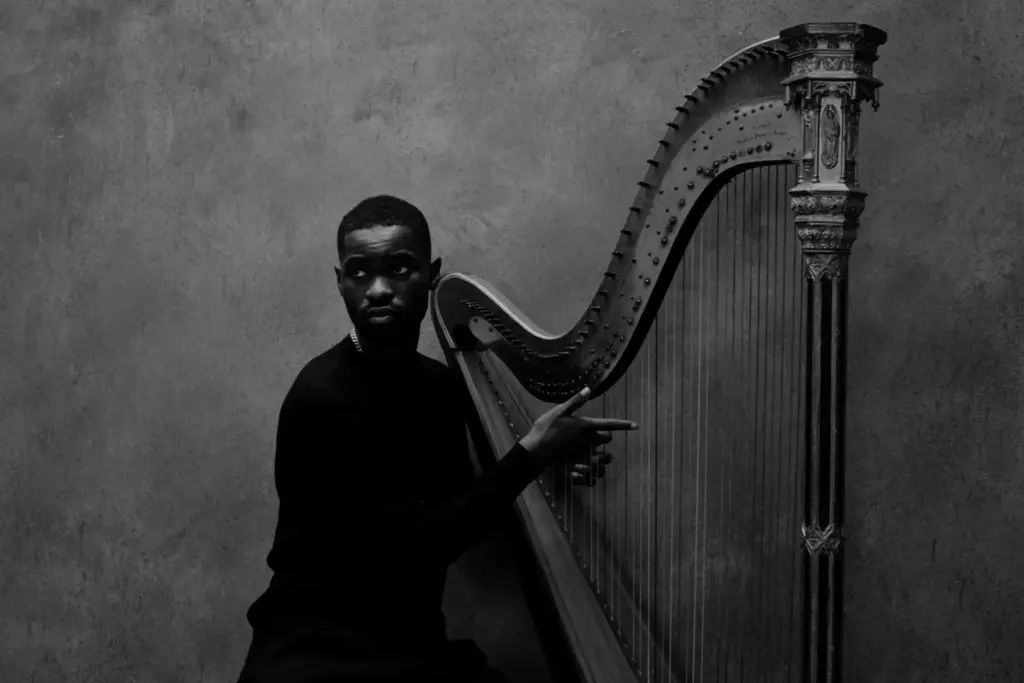
Last month at the V&A East Museum, acclaimed filmmaker, director, and photographer Gabriel Moses sat down for a special installment of A Life in the Work of Others, a series dedicated to exploring the profound influences that shape contemporary artists. Before a packed audience of aspiring creators and culture enthusiasts, Moses opened up about the foundational memories, hometown figures, and visionary collaborators that have propelled his meteoric rise in the global creative industries.
From his mother’s bold appreciation for color and flower arranging to early encounters with South London sports legends, and later mentorship under the late Virgil Abloh, Moses offered a deeply personal retrospective. During the evening, he detailed five of the biggest inspirations that continue to anchor his distinct aesthetic across film, photography, and high-fashion campaigns.
The Women Who Formed the Aesthetic Blueprint
Reflecting on his upbringing, Moses credits the women in his life with laying the earliest groundwork for his artistic sensibilities. Because the family television was kept in his sister’s bedroom, Moses spent countless hours immersed in that space. His sister, who studied fashion, papered her walls with torn-out pages from publications like Vogue and Dazed, inadvertently surrounding the young Moses with high-concept editorial references long before he ever picked up a camera professionally.

Simultaneously, his mother nurtured a lifelong passion for art, fashion, and photography. Moses recalls that his family took immense pride in presentation, noting that his mother ensured her children always had carefully curated outfits. Her primary hobby, flower arranging, instilled in him a fearless approach to visual composition.
"My mum would always make outrageous decisions when it came to colour," Moses told the audience. "So it’s still something I think about a lot when I’m making an image."
Documentation was a constant fixture in the household. Family albums featured generations past, including photographs of his grandmother and grandfather in Nigeria, his mother’s early life in the West African nation, and candid snapshots of his siblings growing up. Surrounded by a rich visual history, Moses naturally fell in love with capturing moments on film.

Beyond aesthetics, his mother provided an unwavering psychological foundation. Having immigrated to the United Kingdom at the age of 18, she understood the landscape of London and the diverse paths through which people carve out success. Moses shared that his mother operated with a philosophy of radical encouragement, noting that if he had declared an ambition to become a postman, she would have urged him to be the absolute best postman in the world.
That trust proved vital during his early career. Following the release of his first film with Nike, Moses made the momentous decision to drop out of university. For five months, work was quiet. Yet, recognizing his determination and competitive drive, his mother simply gave him the space to develop his craft. Advising younger creators who might face different familial dynamics, Moses emphasized the importance of transparent communication, noting that even a formal PowerPoint presentation can help bridge understanding between generations with divergent expectations.
South London Roots and Everyday Icons
Growing up in South London, Moses was surrounded by tangible examples of excellence in sports and entertainment. Long before major stadium careers fully materialized, neighborhood sightings left an indelible mark on local youth. Seeing figures like Rio Ferdinand and his brother regularly at the local petrol station offered proof that individuals from the immediate community could reach the pinnacle of professional sports at clubs like Manchester United.

Another pivotal local figure was Andy Ansah, a South London legend who transitioned from a professional football career into choreographing commercial advertisements. Ansah was viewed as a local celebrity because of his proximity to global icons like Ronaldinho and Ronaldo. More importantly, he actively involved the local community by casting neighborhood youth as extras in his commercial projects.
For Moses, seeing someone leverage a passion for football to experiment in a commercial medium planted an early seed of possibility. Participating as a child extra in various commercials gave him an insider’s view of production, turning professional media creation from an abstract concept into an achievable reality.
From Football Dreams to Directing at Age Eighteen
Like many of his peers, Moses initially harbored ambitions of becoming a professional footballer rather than an artist. However, during his first year at university, his mother fell ill. Searching for a way to honor her and produce something that would make her proud, he turned inward and evaluated his underlying strengths.

"I have no divine right to take photos or make videos," Moses reflected. "I just try stuff, and if I’m good at it, we’ll give it a go."
Drawing inspiration from the high-energy Joga Bonito commercial campaigns released by Nike during his childhood, Moses decided to pivot toward filmmaking. He reached out to professional footballer Fikayo Tomori—then playing for Chelsea and now at AC Milan—with a proposal to document his personal journey and background. Over the course of six hours, Moses and his friends shot a short documentary. Publishing the final piece on YouTube delivered an incomparable rush of accomplishment, proving that an idea could materialize into public existence through sheer initiative, regardless of view counts.
That initial project was quickly followed by a collaboration with Joe Gomez, a fellow South London native from Catford. Recognizing a young artist trying to build momentum, Gomez helped finance one of Moses’s early films when the director was just 18 years old.
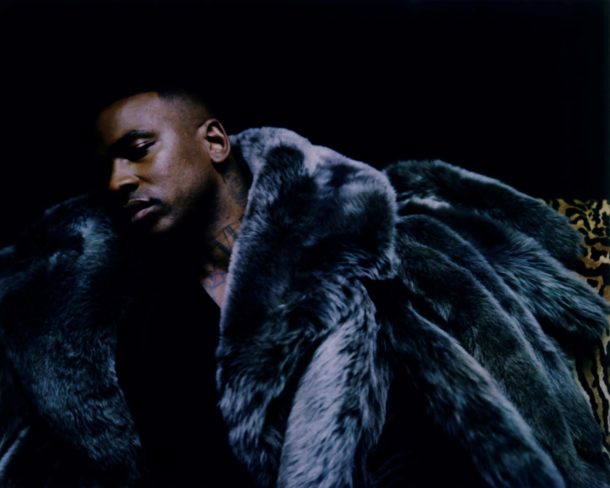
The independent projects caught the attention of Nike, which soon approached the teenager to direct a series of commercials promoting the brand’s new Tiempo football boots. Stepping onto professional sets at just 18 years old required a distinct brand of confidence. Because he belonged directly to the target demographic, Moses trusted his instincts, leaning into the visual culture that he and his friends naturally wanted to see.
Operating from a background deeply rooted in sports, Moses approached the creative sector with a straightforward, uncompromising philosophy. Drawing parallels to athletic competition, he noted that performance cannot be faked; just as an unskilled player will never reach the Premier League, sustained creative success requires the delivery of high-quality work.
Mentorship and the Influence of Virgil Abloh
Moses’s entry into the high-fashion sphere bypassed traditional academic institutions like Central Saint Martins, instead forged through direct industry connections. Through photographer Fabien Montique, Moses was introduced to the late visionary Virgil Abloh at the Off-White studio.

Although Moses was initially unfamiliar with the full scope of Abloh’s extensive portfolio, he was well-versed in his groundbreaking sneaker collaborations with Nike. Welcomed into the studio environment without artificial barriers, the 19-year-old Moses was entrusted with capturing backstage fitting photographs and producing runway show films featuring high-profile models like Bella Hadid alongside leading industry figures.
Abloh’s radical accessibility and profound humility left a lasting impression on the young creator. Moses recounted that Abloh would consistently reply to messages on the very same day, often pairing encouraging words with a simple rocket emoji. That validation acted as a powerful psychological catalyst, instilling a belief that boundaries were meant to be pushed and that extraordinary achievements were accessible to anyone willing to put in the work. Watching a Black creator operate at the highest echelon of global fashion with utter graciousness reshaped Moses’s understanding of what was possible in his own career.
Everyday People as the Ultimate Muse
Today, Moses finds his primary creative fuel in the ingenuity of everyday people. Whether observing internet users crafting viral skits on their mobile phones or witnessing spontaneous expressions of culture online, he remains fascinated by grassroots creativity. This fascination directly informs his casting choices for major brand campaigns, where he frequently integrates everyday individuals to introduce authentic representation into commercial spaces.

Reflecting on his early days with talent representation, Moses recalled turning down lucrative commercial opportunities to protect his creative vision. He frequently negotiated reduced budgets in exchange for complete artistic autonomy, prioritizing the integrity of the work over ubiquitous billboard placements.
Concluding his talk with final guidance for the next generation of creatives, Moses stressed the importance of authenticity and rigorous daily preparation. By remaining true to one’s genuine influences, artists can streamline their research, identify meaningful reference points, and train their minds to recognize their own aesthetic preferences. Above all, Moses urged aspiring creators to document their concepts continuously, reminding the audience that an artist’s ideas remain their most valuable currency.