The question of the origins of the Quran and the source of its teachings has been a subject of scholarly discourse and theological debate for centuries. In the latest installment of his acclaimed educational video series, The Eternal Challenge, Islamic scholar Sheikh Sohaib Saeed addresses one of the most fundamental inquiries regarding the Islamic faith: Who taught Prophet Muhammad the Quran? Through a comprehensive examination of historical allegations, theological context, and textual evidence, the episode sheds light on how the final revelation was preserved and delivered to humanity.

Broadcast as part of ongoing digital programming centered on Islamic studies and Quranic exegesis, the episode systematically refutes long-standing historical allegations and outside claims. Among the primary assertions addressed by Sheikh Sohaib are theories suggesting that various religious clergymen or human instructors secretly tutored the Prophet Muhammad, or that the verses of the Quran were merely derivative quotes compiled from earlier, pre-existing scriptures. By analyzing the socio-historical realities of seventh-century Arabia and the unique linguistic character of the Quranic text, the discussion dismantles these external theories, offering viewers a grounded perspective on the divine nature of the revelation.

Central to Sheikh Sohaib’s presentation is an exploration of the profound prophecies embedded within the Quranic text. In academic and theological terms, a prophecy is defined as foretold news regarding specific future events—a phenomenon that stands entirely distinct from an educated guess, a fortunate prediction, or general worldly wisdom. Within the framework of Abrahamic traditions, genuine prophecy serves as one of the most vital evidentiary proofs for the truthfulness and authenticity of a prophet’s mission. The video examines how these predictive elements within the Quran validate its divine origin, challenging critics to account for accurate historical and future foretellings communicated by an individual widely documented as unlettered.
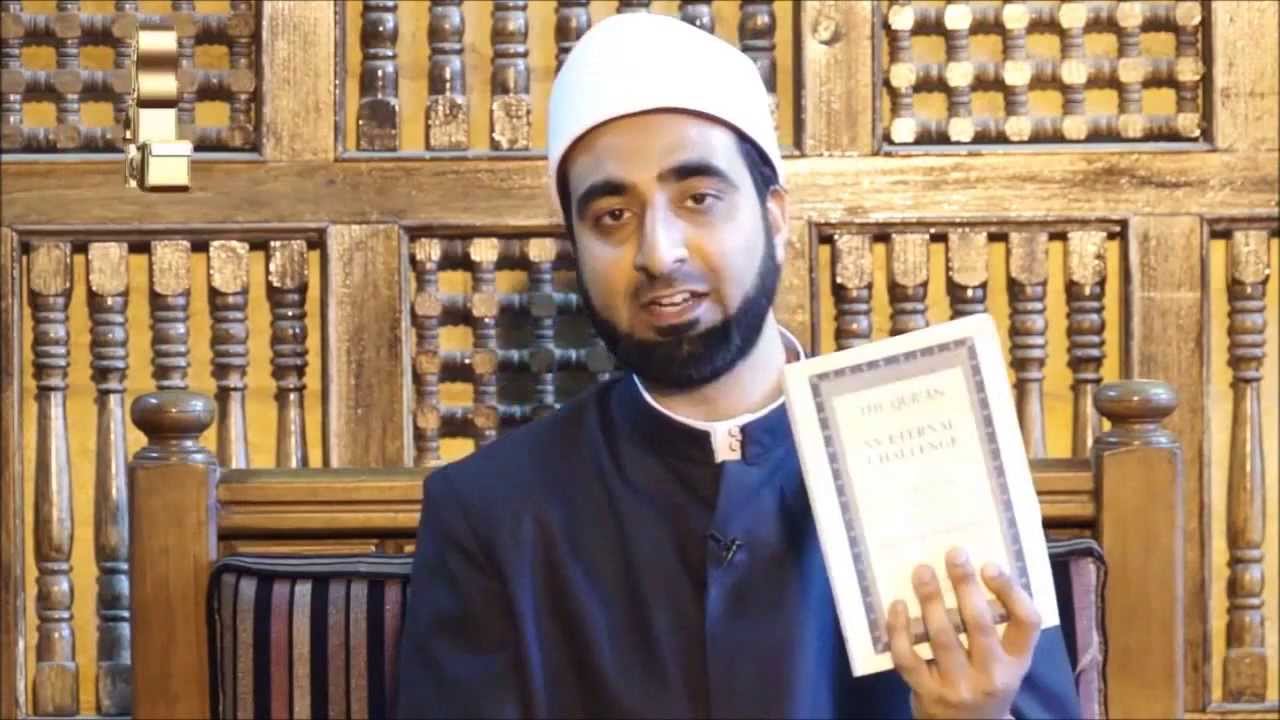
The ongoing Eternal Challenge series has consistently focused on demystifying common misconceptions about Islam’s holy text while providing deep scholarly insights for both Muslim and non-Muslim audiences. Sheikh Sohaib, known for his specialized work in Quranic studies and tafsir (exegesis), utilizes modern digital platforms, including dedicated social media channels and video broadcasts, to make complex theological arguments accessible to a global audience. This particular episode continues a broader thematic arc explored across previous installments of the series, which examine the fundamental definitions of the Quran, the unique relationship between the Prophet Muhammad and the divine message, and the intellectual challenges the text poses to humanity.
As digital media continues to play a pivotal role in contemporary religious education, programs like The Eternal Challenge provide structured, academic responses to contemporary and historical skepticism. By grounding theological arguments in historical context and textual analysis, scholars such as Sheikh Sohaib aim to foster a deeper understanding of Islamic scripture in an interconnected world. Viewers interested in exploring the full scope of the argument can access the complete episode online through established Islamic educational networks and official project pages, where additional resources, related episodes, and opportunities to submit questions about Islam are readily available to the public.