The question of the origins of the Holy Quran has long been a subject of theological study, historical inquiry, and academic debate. Among the most fundamental queries regarding the text is a simple yet profound one: Who taught Prophet Muhammad the Quran? This central inquiry forms the focal point of a recent episode of the Eternal Challenge series, hosted by prominent scholar Sheikh Sohaib Saeed. In this installment, Saeed directly addresses and refutes enduring historical and theological allegations, including claims that various clergymen instructed the Prophet or that he merely compiled and quoted material from previous scriptures.

The episode, broadcast online as part of an ongoing series examining the miraculous nature and divine preservation of the Quran, delves deep into the intellectual and historical environment of seventh-century Arabia. Sheikh Sohaib Saeed methodically breaks down common counter-arguments and external influences often cited by critics, presenting a rigorous defense of the traditional Islamic position regarding the revelation. Through detailed analysis, the video examines the impossibility of human authorship or external tutoring, pointing instead to the internal consistency, linguistic magnitude, and unique context of the Quranic text as definitive evidence of its divine source.

A significant portion of the discussion is dedicated to the role of prophecies within the Quran. Prophecy, as defined within the theological framework discussed in the episode, is foretold news concerning future events that lies completely outside the realm of human prediction, probability calculation, or educated guesswork. Unlike astute geopolitical observations or wise sociological predictions made by keen observers of human nature, genuine prophecies carry a distinct quality of absolute precision regarding unseen outcomes. Within Abrahamic traditions, these premonitions serve as one of the vital proofs for the truthfulness or falsehood of those who claim prophethood. By examining specific historical and eschatological prophecies contained within the Quran that subsequently materialized, the series highlights how these predictive elements reinforce the credibility of Prophet Muhammad’s message.
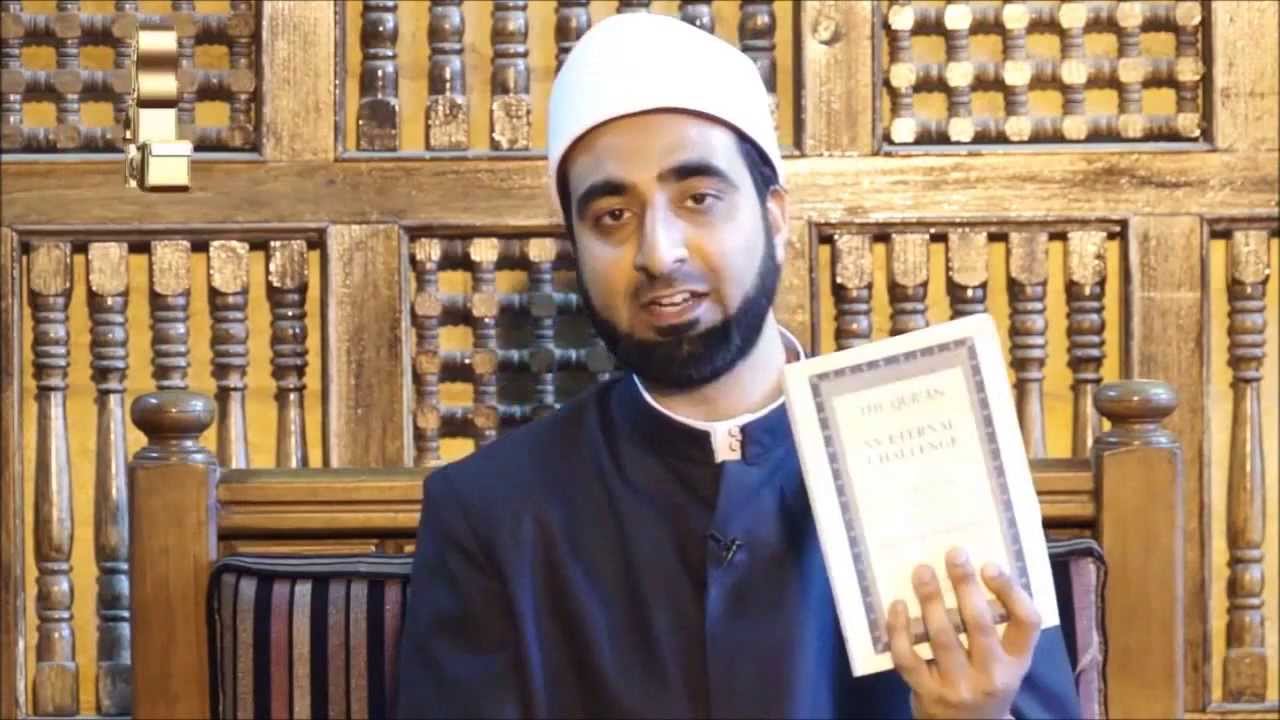
The ongoing Eternal Challenge series has consistently explored various facets of the Quranic text, its historical impact, and its theological implications. Previous episodes in the curriculum have addressed foundational concepts such as defining the nature of the Quran itself, exploring the dynamic relationship between the Prophet and the divine book, and examining the profound intellectual transformation that occurred during the early period of Islam. Through these discussions, scholars like Sheikh Sohaib Saeed aim to provide contemporary audiences with a comprehensive, well-reasoned understanding of Islamic scripture that engages both faith-based perspectives and broader historical queries.
As public interest in comparative religion and textual history continues to grow in digital spaces, programs like the Eternal Challenge offer structured educational content designed to answer complex theological questions. By combining traditional scholarship with accessible media formats, the series continues to draw engagement from viewers seeking deeper insights into the origins and preservation of the Quran, reinforcing its status as a central pillar of Islamic faith and scholarship.