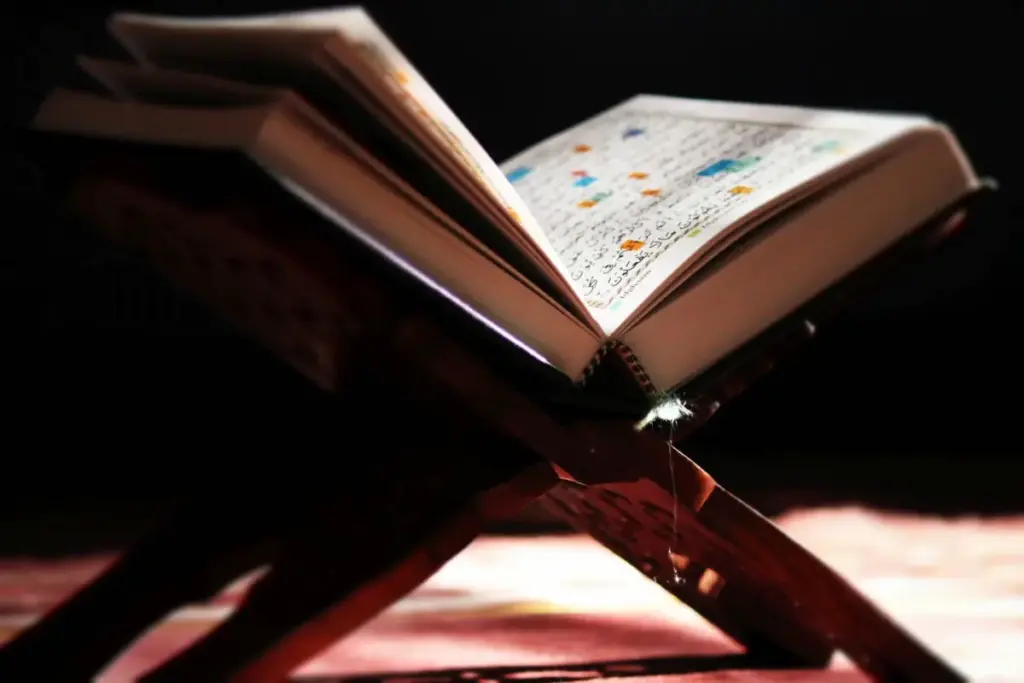
LONDON — The enduring question of the origins of the Quran and the allegations surrounding its revelation form the core of the latest episode of the "Eternal Challenge" series. Hosted by scholar Sheikh Sohaib Saeed, the video program meticulously examines historical and theological claims regarding the source of the Islamic holy book, directly addressing assertions that Prophet Muhammad was instructed by external human teachers or that he merely synthesized narratives from previous scriptures.

In the newly released episode, Sheikh Saeed directs his analytical focus toward long-standing contentions raised by various critics and historical detractors who have sought to attribute the divine revelations of the Quran to human influences. For centuries, theological and academic debates have occasionally entertained the hypothesis that the Prophet of Islam may have acquired scriptural knowledge from Christian or Jewish clergy, or from contemporary scholars of antiquity. The new episode systematically dismantles these allegations, presenting an academic and faith-based refutation that emphasizes the unique linguistic, historical, and spiritual context of the Quran’s revelation in 7th-century Arabia.
Beyond the question of human instruction, the discussion pivots toward a critical theological mechanism within the Quran: its explicit prophecies. Prophecy, defined within the discourse as foretold news concerning future events that entirely transcends educated estimates, shrewd political forecasting, or wise historical guesses, serves as a cornerstone for evaluating the authenticity of prophetic missions. According to the series, the fulfilled predictions and future glimpses embedded within the Quranic text provide vital, objective proofs regarding the divine truthfulness of Prophet Muhammad and the heavenly origin of the book he delivered.

The exploration of these profound topics is part of Sheikh Saeed’s broader multimedia initiative, the "Eternal Challenge" series, which seeks to provide contemporary audiences with rigorous intellectual engagements with the Quran. The series breaks down complex theological concepts into accessible media presentations, addressing modern skepticism while offering deep dives into the literary and historical miracles traditionally associated with Islam’s central text.
Previous episodes in the comprehensive series have laid foundational groundwork for viewers, moving step-by-step through fundamental inquiries about the nature and composition of the scripture. Earlier segments, such as "The Eternal Challenge: What is the Quran?", introduced audiences to the linguistic and structural marvels that have captivated scholars for over fourteen centuries. Subsequent installments, including "Eternal Challenge: Prophet and Book of Allah" and "The Prophet Didn’t Make Quran—Rather, Quran Made Him," further investigated the undeniable psychological and historical transformation experienced by Prophet Muhammad, arguing that the magnitude, depth, and coherence of the Quranic text could not have originated from a human author, least of all an unlettered individual living in the isolated environment of the Arabian Peninsula.

As debates concerning comparative religion and historical-critical methodologies continue in academic and digital spheres, programs like the "Eternal Challenge" remain significant resources for students, researchers, and believers seeking traditional Islamic perspectives articulated through modern analytical frameworks. By confronting head-on the difficult questions surrounding authorship, human instruction, and predictive prophecies, the series continues to contribute substantially to contemporary Islamic apologetics and scriptural studies.
The latest episode, along with the complete archive of preceding discussions by Sheikh Sohaib Saeed, is currently accessible across major digital platforms, offering viewers worldwide an opportunity to engage deeply with the intellectual defenses of the Quranic tradition.