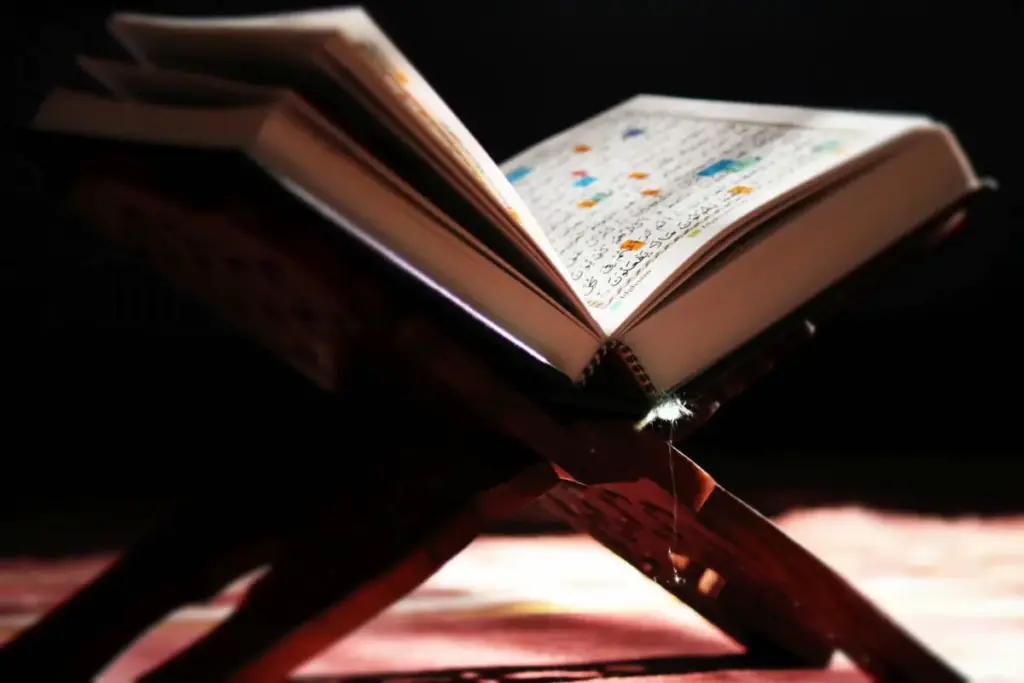
The origins of the Holy Quran and the nature of prophethood have long been subjects of profound study, spiritual reflection, and academic inquiry. In an ongoing effort to address fundamental questions surrounding Islam’s holy text, scholar Sheikh Sohaib Saeed has tackled one of the most prominent inquiries regarding the Prophet Muhammad: Who taught him the Quran?
In a recent episode of his widely followed educational media project, the Eternal Challenge series, Sheikh Saeed addresses historical and modern allegations suggesting that the Prophet Muhammad was instructed by external human sources, such as Christian or Jewish clergymen, or that he merely compiled and quoted material from earlier scriptures. Through careful analysis and theological reasoning, the scholar dismantles these claims, offering viewers a comprehensive look at the unique context and miraculous nature of the Quran’s revelation.

The discussion forms part of a broader cinematic and educational exploration into the authenticity, literary marvel, and divine origin of the Quran. By examining the life and circumstances of the Prophet Muhammad, the series aims to provide viewers with clear, well-reasoned answers to complex faith-based questions that frequently arise in interfaith and philosophical discussions.
Examining the Allegations of Human Authorship
Throughout history, critics of Islam have attempted to attribute the verses of the Quran to external human influences. Some early detractors, as well as modern skeptics, have argued that the Prophet Muhammad—who was known in history as being unlettered, or ummi—must have acquired his knowledge of biblical narratives and theological concepts from scholars, monks, or religious teachers residing in the Arabian Peninsula or encountered during his travels in pre-Islamic trade caravans.
In this episode of the Eternal Challenge, Sheikh Saeed refutes these allegations systematically. He emphasizes that the socioeconomic, cultural, and literary landscape of 7th-century Arabia makes the hypothesis of a human instructor implausible. The historical record shows no evidence of a mentor capable of imparting the profound theological, legislative, and linguistic dimensions found within the Quran. Furthermore, the Quran itself addresses and challenges these very accusations, pointing out the incongruity between the Prophet’s known background and the vast, unassailable wisdom contained within the scripture.

The scholar explains that the allegations overlook the unique literary style and structural integrity of the Quran, which fundamentally differs from contemporary Hebrew and Christian texts while simultaneously confirming core moral principles found in earlier prophetic traditions. Rather than representing a derivative work of borrowed lore, the Quran presents a distinct theological framework that corrects prevailing cultural deviations of the time.
The Significance of Prophecies in the Quran
Beyond addressing the origins of the text, Sheikh Sohaib Saeed’s discussion extends into the evidentiary nature of the Quran, focusing specifically on its prophecies. In theological terms, a prophecy is defined as foretold news regarding future events that are entirely beyond human calculation, foresight, or deduction.
The episode distinguishes true prophecy from educated guesses, wise forecasts, or generalized political predictions. True prophecy serves as one of the vital, objective proofs for the truthfulness of a prophet and the divine origin of the message they deliver. Throughout the Quran, several specific future events are foretold with remarkable precision, ranging from geopolitical conflicts of the era to spiritual triumphs that materialized years after the verses were revealed.

By analyzing these prophetic elements, the Eternal Challenge series invites audiences to evaluate the text not merely as a historical artifact or a moral guide, but as a dynamic document containing verifiable markers of divine authorship. These prophecies challenge both believers and skeptics to examine the historical fulfillment of events that no ordinary observer in 7th-century Arabia could have anticipated.
Continuing the ‘Eternal Challenge’ Series
Sheikh Sohaib Saeed’s exploration of the Quran is part of a comprehensive multimedia initiative designed to make complex Islamic theology accessible to contemporary audiences. The Eternal Challenge series features multiple episodes that dissect various facets of the Islamic holy book, ranging from its fundamental definition to the psychological and spiritual impact it had on the early Muslim community.
Previous and concurrent installments in the series delve into foundational questions such as the precise definition of the Quran, the profound relationship between the Prophet and the Book of Allah, and the counterarguments against the notion that the Prophet Muhammad authored the text himself. These discussions often highlight the transformative effect the revelation had on the Prophet’s life, leading scholars to observe that the Quran shaped the Prophet’s character and mission rather than being a product of his own intellectual fabrication.
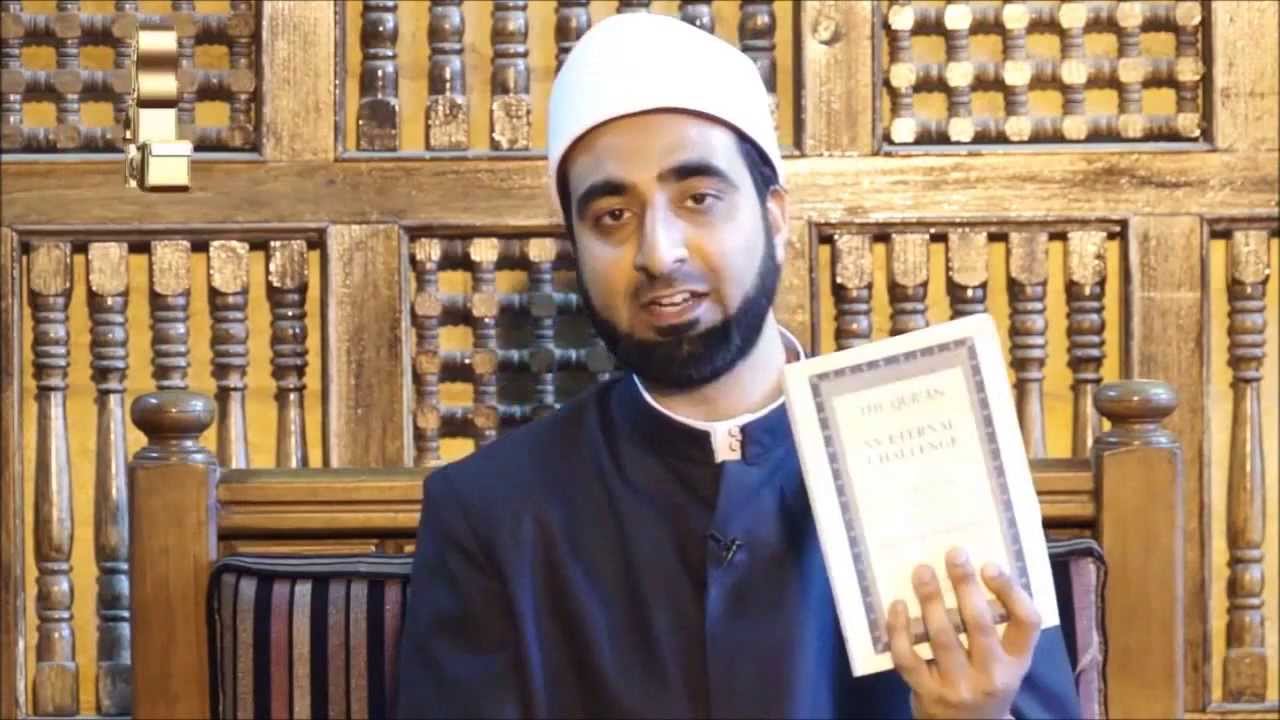
As digital platforms continue to play a central role in religious education and dawah, scholarly efforts like Sheikh Saeed’s Eternal Challenge provide structured, thoughtful responses to intellectual queries. By engaging with both traditional scholarship and contemporary discourse, the series remains a notable resource for individuals seeking a deeper understanding of Islamic scripture and the historical verification of prophethood.