In the latest installment of the widely followed educational and theological media series The Eternal Challenge, scholar Sheikh Sohaib Saeed tackles one of the most foundational and recurring inquiries regarding Islamic history: Who taught Prophet Muhammad the Quran? The episode offers a comprehensive examination of historical allegations, scholarly scrutiny, and the theological proofs surrounding the divine revelation of Islam’s holy book.

Broadcast via digital platforms and spearheaded by Sheikh Sohaib Saeed, the episode directly confronts historical and modern claims suggesting that Prophet Muhammad was instructed by external human mentors, such as Christian or Jewish clergymen, or that he compiled the verses by copying from earlier scriptures. Throughout the video presentation, the speaker systematically deconstructs these assertions, analyzing the socio-historical realities of seventh-century Arabia, the biographical profile of the Prophet, and the internal evidence within the Quran itself.

The discussion also delves deeply into the nature of prophecies contained within the Quran, framing them as a critical yardstick for assessing the authenticity of prophetic missions. According to the analysis presented in the series, genuine prophecy constitutes foretold news regarding future events that extends far beyond the realm of educated guesses, wise political forecasts, or lucky estimations. In Islamic theology, these fulfilled predictions serve as vital, tangible proofs confirming the divine origin of the prophetic message delivered by Muhammad.
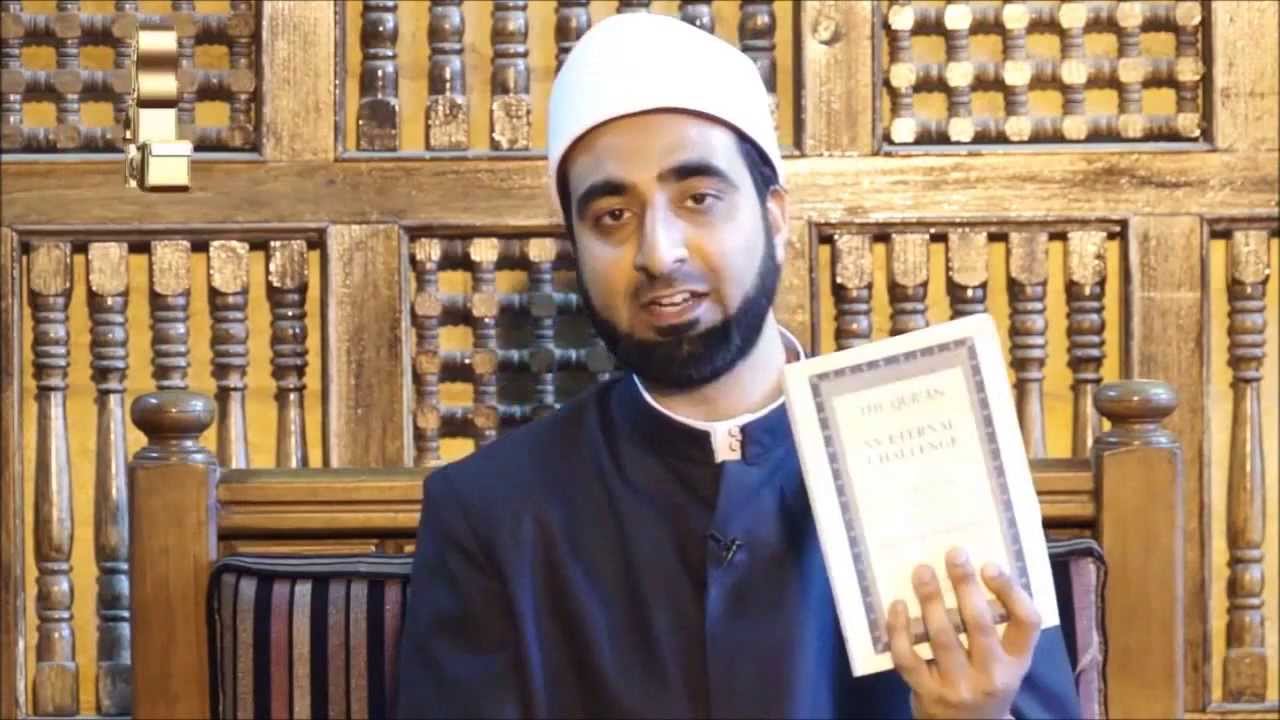
The ongoing Eternal Challenge series has consistently explored the literary, historical, and spiritual dimensions of the Quran, inviting viewers to ponder its unique status in world history. Previous episodes in the curriculum have addressed foundational topics such as defining the Quran, examining the dynamic relationship between the Prophet and the Book of Allah, and addressing the persistent question of whether the Prophet authored the text—ultimately arguing that the profound spiritual and moral framework of the Quran shaped the Prophet’s mission rather than originating from his own creative intellect.
As audiences continue to engage with contemporary discussions on comparative religion and the historical origins of sacred texts, presentations like Sheikh Sohaib Saeed’s aim to provide well-researched theological counterpoints rooted in classical Islamic scholarship. The latest episode remains accessible to viewers online through dedicated educational portals and social media channels associated with the production, offering further resources for those seeking deeper academic and spiritual understanding of the Quranic text.