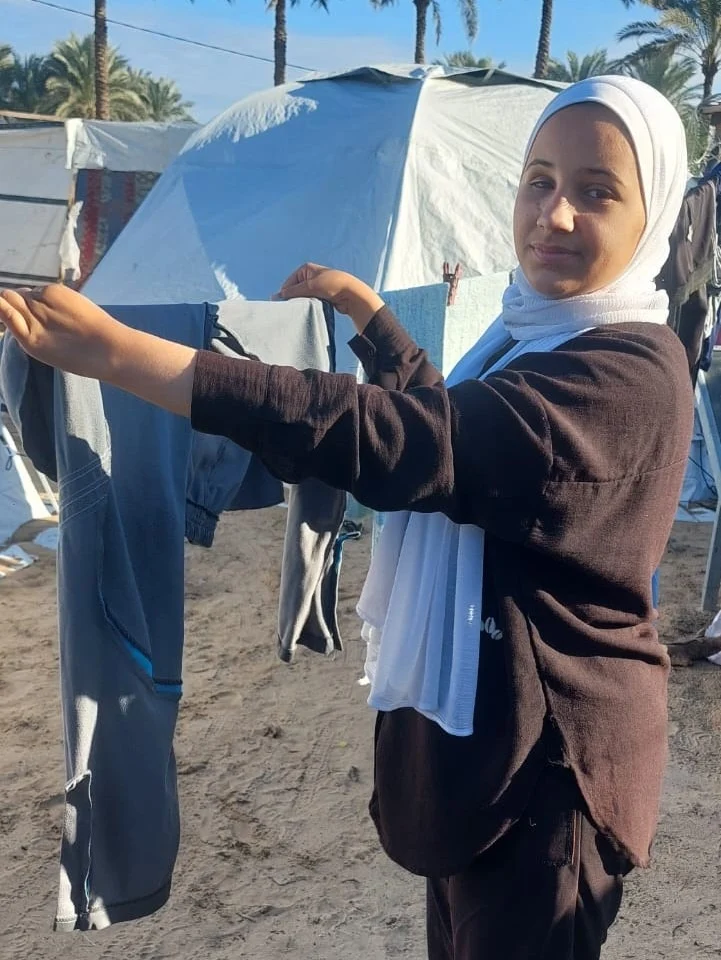
A year after a ceasefire came into effect in Gaza, the enclave continues to be described by humanitarian agencies as the most dangerous place on earth to be a child. The enduring crisis has left an indelible mark on a generation, reshaping the lives of thousands of young people who face severe physical injuries, profound psychological trauma, and the daily struggle of survival amid widespread destruction.
According to recent data from the World Health Organization (WHO), nearly 42,000 people in Gaza have suffered life-changing injuries as a direct consequence of the conflict. The statistical toll is particularly devastating for the territory’s youngest residents, with children accounting for one in every four of these permanent injuries. These numbers represent far more than medical statistics; they reflect individual stories of shattered futures, disrupted education, and families forced to navigate unimaginable hardships with scarce resources.
Ten-year-old Yasmeen knows this harsh reality all too well. Having experienced immense loss at a very young age when her father suffered a fatal heart attack during her infancy, Yasmeen has spent her formative years against a backdrop of acute instability. Since her early childhood, her family has been forced to endure daily explosions and successive waves of displacement, ultimately abandoning their family home to seek refuge in a worn-out tent.
During the military assault on Gaza, Yasmeen sustained a severe injury to her right eye, resulting in permanent damage to her vision and appearance. The physical trauma has been compounded by a complete disruption to her education. She has been unable to return to school, partly because local schools and temporary education centers are no longer operating nearby, but also because her injury has left her feeling deeply overwhelmed and self-conscious about her appearance.
Reflecting on the profound shift in her daily existence, Yasmeen expresses a heartbreaking sense of despair. "I wish I had died rather than look like this," she says, capturing the profound emotional toll of her injuries. "Every day I sit and grieve for myself and cry. I’ve become such a burden on my mother and my siblings. I used to help my mother with cleaning and organising, but I cannot anymore because of my injury. I tell myself it was my fate to be injured inside the tent that sheltered us."
The Psychological Impact of Violence
The trauma experienced by children in Gaza extends far beyond immediate physical wounds, leaving psychological scars that international observers warn will last a lifetime. According to assessments by the United Nations, the mental harm inflicted upon the population has become intergenerational. This has produced a distinctive and deeply damaging psychological environment—often referred to in reports as an "occupied psyche"—in which the fundamental freedoms to play, imagine, hope, and develop a stable personal identity have been severely eroded.
This psychological deterioration is acutely visible in Yasmeen, whose mother, Heba, struggles daily to witness the transformation in her daughter. "Losing her father was hard, but seeing my daughter broken like this is even harder," Heba explains. "Yasmeen’s injury has devastated all of us—her physical and emotional condition is deteriorating."
The burden of the conflict has fallen heavily on every member of the household. Heba herself sustained injuries that leave her unable to walk long distances, while one of Yasmeen’s brothers, Ahmad, suffered a severe hand injury that prevents him from lifting or holding heavy items. The cumulative impact on the family has created an atmosphere of pervasive grief and physical limitation.
Despite the shared suffering of her family, Yasmeen feels the isolation of her specific condition most acutely. "Still, I feel I was the one hit the hardest," she says. "My appearance changed, my eye was damaged, and now I cannot stand seeing anyone. I even avoid sitting with my own family because my injury haunts me every moment."
Expanded Support Through Humanitarian Aid
Amid the overwhelming need for assistance across Gaza, humanitarian organizations have had to adapt their operations significantly to meet the scale of the crisis. Islamic Relief has substantially expanded its Orphan Sponsorship Programme since the escalation of the conflict in October 2023. Prior to October 2023, the organization supported 8,700 children in the region; today, that number has grown to more than 25,000 children, providing vital humanitarian aid to vulnerable youngsters, including Yasmeen and her family.
This sustained assistance has provided a measure of relief for households struggling to secure basic necessities. "I thank everyone who supported us before and after the war," Heba says, acknowledging the impact of the aid on her family’s daily survival.
For three decades, Islamic Relief has maintained its commitment to supporting orphaned children in Gaza through sponsorship. The organization’s Orphan Sponsorship Programme remains one of the few remaining channels capable of delivering direct and tangible support into the hands of suffering Palestinian families. The program operates by providing a monthly stipend paid directly to the families. The assistance is entirely unconditional, granting families the autonomy to purchase the items they need most urgently as they become available in local markets.
For Heba, the monthly financial support is primarily directed toward securing essential food and heating materials for her children. Yet, beyond the practical necessities of daily survival, her ultimate aspirations for her family remain focused on healing and restoration.
Expressing the simple hope shared by countless parents across the enclave, Heba notes, "All I ask from this world is to see my daughter living a normal life again."