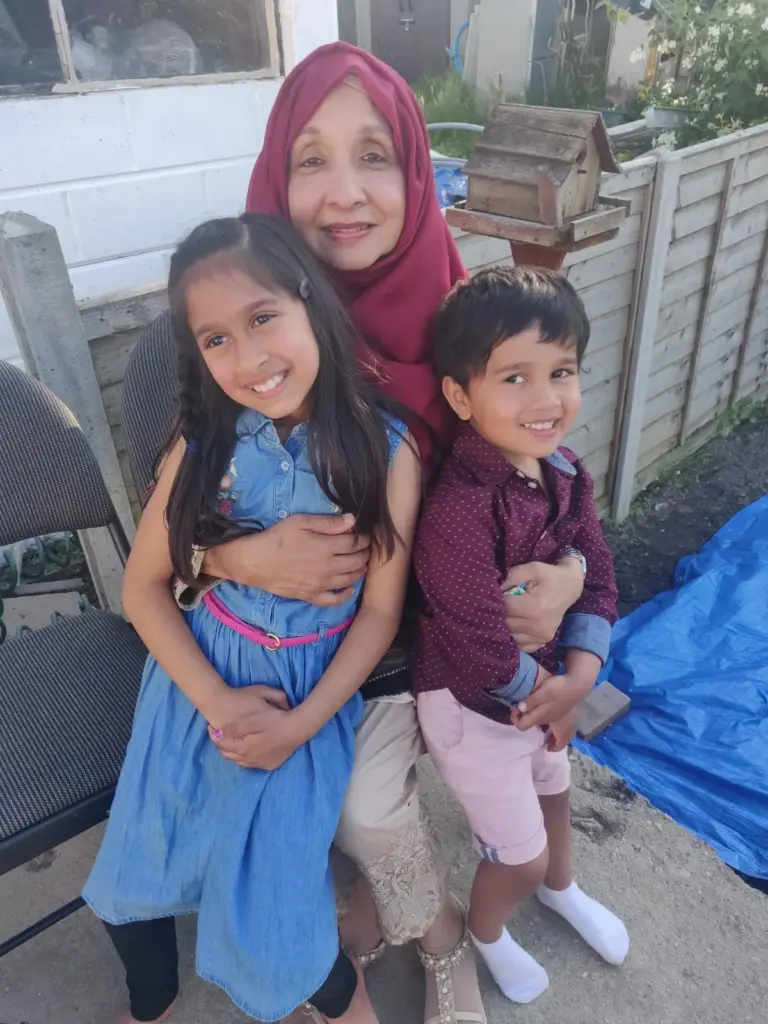
As November marks Lung Cancer Awareness Month, healthcare advocates and survivors are stepping forward to dismantle persistent misconceptions about the disease. Among them are Nasim and Dipti, two women whose lives have been profoundly touched by lung cancer. By sharing their deeply personal experiences, they hope to encourage others—particularly women, who frequently neglect their own well-being in favor of caring for family—to seek timely medical advice at the very first sign that something is amiss.
Nasim’s Story: Recognizing the Subtle Signs
At 65 years old, Nasim leads a healthy lifestyle, has never smoked, and did not experience any of the classic symptoms traditionally associated with lung cancer, such as a persistent cough. Yet, her body was quietly signaling that something was wrong.
The first indicator was a gradual and unexplained loss of weight. Initially, Nasim dismissed the change, attributing it to the everyday stress of moving to a new home. However, as the months pressed on, the physical transformation became more pronounced.
“I lost weight gradually over a period of two years, so it wasn’t always noticeable to me,” Nasim recalls. “However, when I would meet with friends and family who might not have seen me all the time, they all pointed out that I was looking thin and asked me if I was OK.”
Alongside the gradual weight loss, Nasim began to experience unusual fatigue, and her clothing started fitting more loosely. Having successfully battled and overcome breast cancer more than twenty years prior, her initial fear was that her previous diagnosis had returned. Lung cancer was a possibility that never crossed her mind.
Reflecting on the societal pressures that often prevent women from prioritizing their own health, Nasim emphasizes the critical need for self-advocacy.
“As women, we are always busy, worrying about other people before ourselves,” she explains. “It’s very important to go to the GP if you think something is different or not quite right. You know your body best, and if something feels unusual, I urge you to get medical advice just for peace of mind. Your GP will never think you’re wasting their time, and getting a diagnosis as early as possible will give you the best chance of treatment and survival.”
After finally seeking medical evaluation, a routine scan revealed a shadow on Nasim’s lung, culminating in a formal diagnosis of lung cancer. The finding led to a surgical lobectomy to remove a portion of her left lung. Fortunately, she has not required ongoing treatments such as chemotherapy or radiotherapy, though she does manage her health with prescribed medication.
While acknowledging that her journey toward full recovery is ongoing, Nasim expresses profound gratitude for her progress. “I feel so lucky that I don’t have to undergo any chemo or radiotherapy as I went through it the first time when I had breast cancer,” she says. “It’s been a slow recovery, but I am getting there with God’s help and the support of family and friends. I’ve made lots of adjustments to my life—I plan and take things slowly, prioritising what’s important to me and my family.”
Determined to transform her personal trial into a message of hope and caution, Nasim remains steadfast in her desire to help others. “The best thing that could come from my diagnosis and treatment would be that other women read my story and go and see their GP as a result. Life can become fragile in an instant, and so it is imperative to look after yourself and cherish your blessings.”

Dipti’s Story: Challenging Assumptions About Who Gets Lung Cancer
Dipti’s perspective on the disease was forged through profound personal loss. Four years ago, her father passed away after being diagnosed with lung cancer at the age of 53. Similar to Nasim’s initial experience, her father had been experiencing unexplained weight loss, but because he was generally mindful of his diet and eating habits, the family thought little of it at the time.
Like many people, Dipti previously held preconceived notions regarding who lung cancer affects and what warning signs to look for. Her father’s untimely death shattered those assumptions, leaving her committed to ensuring that other families might be spared a similar tragedy through increased awareness.
“Lung cancer has affected me and my family immensely, and we’ve learned that it can affect anyone of any age,” Dipti states. “If you have lungs, you can get lung cancer.”
Drawing from her family’s difficult journey, Dipti highlights the vital role that loved ones play not only in encouraging early medical consultation, but also in supporting a patient’s mental health following a diagnosis.
“Support that person by helping them book a GP appointment, go with them to support them,” she advises. “Help them to take each day as it comes and keep positive for them. Retaining a sense of normality in life can really help in getting through it all.”

As a mother with a young family of her own, Dipti understands intimately how easily parents can overlook their personal health needs amid the daily demands of raising children and managing households. She reiterates that self-care is not a luxury, but a necessity.
“You need to take care of yourself to take care of others, so if anything seems amiss, go and get it looked at,” Dipti urges. “The earlier that cancer is detected and treated, the more positive the outcome. Most of the time it’s not serious—wouldn’t you rather know?”
Understanding Lung Cancer Symptoms
Medical professionals continue to emphasize that early identification remains the most powerful tool in improving lung cancer outcomes. Experts advise individuals to remain vigilant regarding bodily changes and to consult a general practitioner if symptoms persist.
Common signs that warrant medical evaluation include a cough lasting three weeks or longer, chest infections that recur repeatedly, unexplained aches or pains experienced when breathing or coughing, and sudden, unexpected weight loss or persistent fatigue.
Healthcare providers maintain that anyone experiencing persistent changes should feel fully confident in scheduling an appointment with their GP. For further information and guidance on recognizing potential cancer symptoms, members of the public can visit the official NHS resource at www.nhs.uk/cancersymptoms.