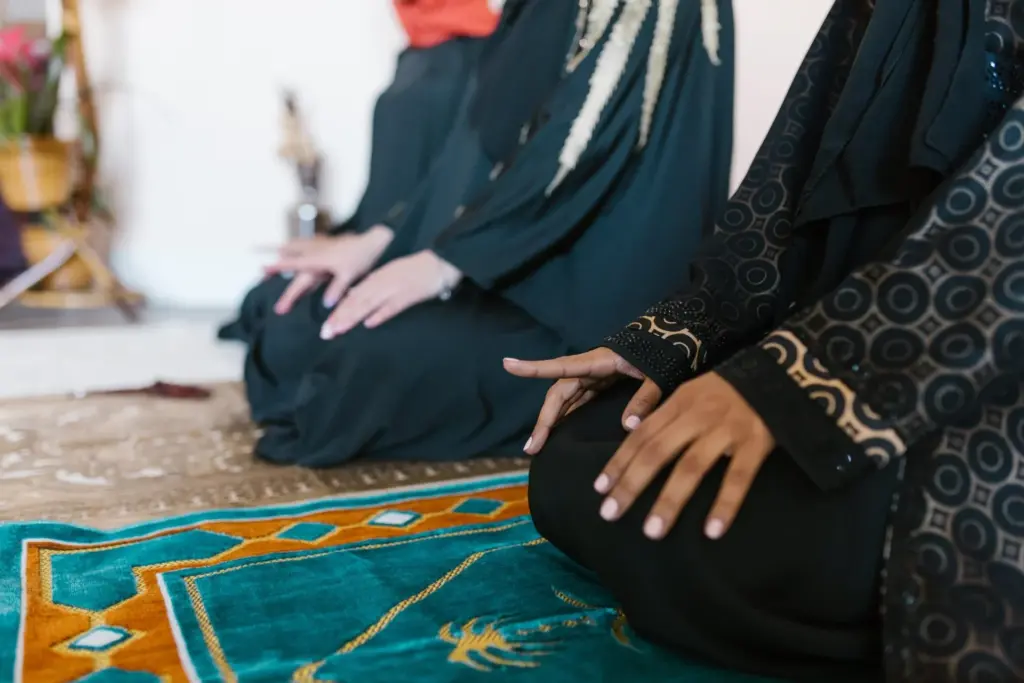
The Muslim Mamas community has long championed the creation of safe, inclusive spaces designed to bring people together for shared learning, mutual growth, and meaningful connection. Through ongoing collaborative efforts with larger agencies, organizations, and charitable groups across the wider community, the collective actively works to extend this invitation of hospitality far beyond the boundaries of the Muslim faith. Organizers and community members firmly believe that broadening societal perspectives yields immense richness. By making a concerted effort to understand individuals from different cultural and religious backgrounds, communities can foster deeper connections and build lasting bridges of understanding.
For those who have never stepped inside a place of Islamic worship, entering a mosque as a non-Muslim might initially feel unfamiliar or even slightly daunting. However, community leaders consistently emphasize that visitors are met with genuine warmth and hospitality. A mosque serves as a multifaceted space encompassing worship, reflection, education, and community life for Muslims, yet its doors remain fundamentally open to people of all faiths, traditions, and backgrounds. Understanding the basic etiquette, daily rhythms, and social customs associated with these spaces ensures that any visit becomes a deeply positive, enriching, and respectful cultural experience.
When and Why Do Muslims Go to the Mosque?
The architectural and social landscape of mosques throughout the United Kingdom is remarkably diverse, reflecting the varied origins and resources of local congregations. Some mosques are striking, purpose-built structures featuring traditional domes and minarets that mirror architecture found across the Muslim world. Others occupy converted former churches, repurposed community centers, or even residential houses that present a more understated exterior with fewer auxiliary facilities. Despite these structural variations, the vast majority of mosques remain open for at least the five daily prayer services, while smaller or resource-limited spaces might restrict their operating hours primarily to morning or evening prayers. The traditional Arabic term for a mosque is "masjid," a word frequently used by community members.

Muslims across the globe observe five mandatory daily prayers oriented toward Mecca. While individuals can fulfill these prayers anywhere clean, communal prayer inside a mosque carries significant spiritual encouragement, particularly during midday and especially for the primary congregational prayers held on Fridays. Within the prayer halls, spaces are traditionally segregated by gender. However, spatial constraints in smaller neighborhood mosques mean that dedicated areas for women are not always available. While male Muslims are required by their faith to attend congregational prayers whenever possible, female attendance is welcomed as optional, allowing women the flexibility to pray at home or in other suitable locations.
Friday midday holds special significance, drawing larger gatherings for Jum’ah prayer, which includes both congregational worship and a formal sermon delivered by a speaker or religious leader. Beyond scheduled prayer times, mosques function as vibrant community hubs. They frequently host educational programs, offering classes on Islamic studies and the Qur’an for children, adults, and individuals newly discovering the faith. Additionally, these spaces serve as venues for social gatherings, festive celebrations during Ramadan and Eid, and lifecycle services including weddings and funerals.
Who Leads the Mosque Community?
Leadership within a mosque is structured differently depending on the size, organization, and resources of the specific community. The traditional head and prayer leader of a mosque is the Imam, though not every institution maintains a full-time, resident Imam. Some smaller or rural mosques rely on visiting spiritual leaders, while others depend on qualified members of the local congregation to step forward as prayer leaders or teachers of the Qur’an, the holy book of Islam. Day-to-day operations, administrative duties, and building maintenance are typically overseen by a board of trustees, facility staff, and dedicated volunteers from the local community who ensure that the mosque continues to serve its neighborhood effectively.
Appropriate Attire and Presentation

Visitors preparing to enter a mosque are encouraged to observe standards of modest dress, ensuring that both men and women wear loose-fitting clothing that covers the arms and legs entirely. Shorts and sleeveless shirts are considered inappropriate attire for all visitors regardless of gender. Female visitors are also advised to bring a scarf along with them. While many mosques do not strictly mandate head coverings for female visitors, particularly when remaining outside the dedicated prayer halls, carrying a scarf serves as a courteous sign of respect. For those who inadvertently arrive without one, most mosques maintain a supply of spare head coverings for guests.
Makeup is entirely acceptable for visitors, and children are generally permitted to dress comfortably in whatever they choose. Because footwear is strictly prohibited inside the main prayer areas, visitors should wear clean socks or tights. Most mosques feature a designated entryway or shoe rack system just off the main entrance where guests can safely store their shoes and personal belongings before stepping onto the carpeted hall.
Customs of Greeting and Social Interaction
Mosque communities are overwhelmingly welcoming, and visitors quickly discover that shyness is entirely unnecessary. Congregants generally welcome thoughtful questions and take great delight in sharing their knowledge, culture, and guidance with interested guests. When greeting individuals within the mosque, visitors may choose to use the traditional Islamic greeting, “Assalamu ’alaykum,” which translates to “peace be upon you.” There is no need for anxiety regarding pronunciation, as community members appreciate the sincere effort. Alternatively, a standard, polite greeting of hello and a polite inquiry into someone’s well-being is always received with grace.
Regarding physical greetings, handshakes are customary and appropriate when interacting with individuals of the same gender. When greeting someone of a different gender, however, visitors are encouraged to follow the other person’s lead. While many Muslims are completely comfortable shaking hands across genders, others prefer to avoid physical contact for personal or religious reasons. In such instances, a culturally resonant and universally appreciated alternative is to place one’s right hand gently over the heart accompanied by a slight nod. This gesture conveys deep respect and warmth without causing discomfort. Ultimately, absolute perfection in etiquette is not expected; observant, respectful behavior is more than sufficient to ensure a harmonious visit.

Navigating the Prayer Space and Observing Services
Upon arrival at the mosque, a host or greeter will typically assist visitors in removing and storing their footwear. Guests are expected to silence or turn off mobile phones prior to entering the prayer hall, maintaining a quiet atmosphere by avoiding loud conversations, particularly while prayers are actively taking place.
Before entering the prayer area, practicing Muslims perform ablution, a ritual washing of the face, hands, arms, and feet. While some mosques maintain specially equipped washing facilities for this purpose, visiting guests are never expected to perform ablution themselves. Inside, prayer halls characteristically feature expansive carpets rather than traditional pews or chairs, though a limited number of seating options are usually available near the back for elderly or disabled attendees.
Men and women enter through separate designated doors and occupy distinct sections of the hall, which may be separated by side-by-side arrangement, upper levels, or physical partitions depending on the architecture of the building. Families visiting with young children generally keep them close regardless of gender. During congregational prayers, participants move in synchronized unison—standing, bowing, prostrating, and sitting at specific intervals. Visitors are not expected to participate in the physical movements of prayer and are encouraged to observe quietly from the rear. Because Islamic tradition considers walking directly in front of someone engaged in prayer to be disrespectful, observers are typically seated near the back of the hall to preserve the sanctity of the service.
Ultimately, stepping into a mosque offers a rich, enlightening opportunity to experience a different culture and religious tradition firsthand. Community representatives emphasize that the fear of making a mistake should never outweigh the profound value of human connection. Visitors frequently discover that they share far more commonalities with their Muslim neighbors than differences. By approaching the experience with curiosity, openness, and respect for local customs, guests can ensure an enjoyable and deeply educational visit that reinforces the core community values of hospitality, inclusivity, and mutual understanding.