The pilot round of the Arts and Humanities Research Council (AHRC) Early Career Researcher (ECR) Fellowships has delivered compelling, robust evidence of how powerful collective professional development can be within the UK’s cultural and heritage organisations. Rather than being treated as an optional administrative extra or a superficial add-on, the structured cohort model delivered by the coordination team at the Victoria and Albert Museum (V&A) emerged as a core, defining pillar of what made the pilot fellowship programme a resounding success.
The findings, detailed in an independent evaluation conducted by Santra Consulting, underscore that intentionally designed peer-to-peer communities can fundamentally transform the trajectory of early-career academics operating within galleries, libraries, archives, museums (GLAM), and heritage sectors.
The Background
The pilot fellowship initiative, generously funded by the AHRC, was established to support eight exceptional Early Career Researchers distributed across seven distinct Independent Research Organizations (IROs). Throughout the scheme, the V&A served as the dedicated Cohort Coordination and Development team, tasked with designing and implementing a comprehensive training and development curriculum. This curriculum was meticulously tailored to address the very real, often daunting challenges that early-career researchers face when trying to establish themselves within complex cultural and heritage environments.
The overarching goal was ambitious yet clear: to equip the fellows with the practical tools, professional confidence, and cross-institutional networks necessary to successfully navigate these unique institutional ecosystems and forge sustainable career pathways both through and well beyond their respective fellowships.
According to the evaluation conducted by Santra Consulting, the cohort model—deliberately designed, convened, and nurtured by the V&A coordination team—delivered profound, measurable benefits. These advantages extended far beyond the individual researchers, positively impacting their host institutions and rippling outward to enrich the wider GLAM and heritage sector. The evaluation report confirmed that the original educational and developmental aims of the programme were not only fully met but were substantially strengthened through the continuous engagement fostered by the cohort model.
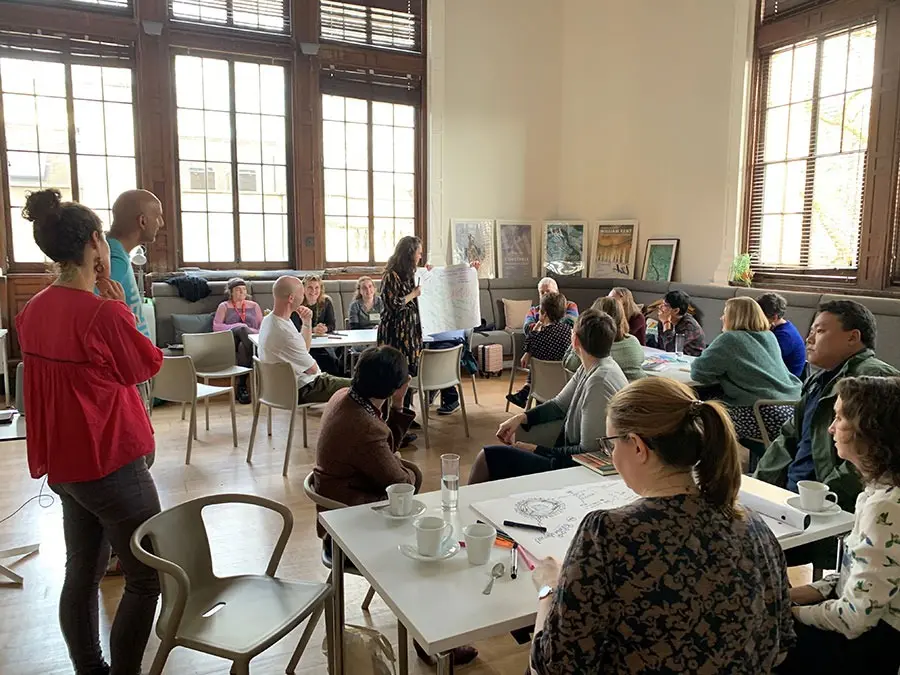
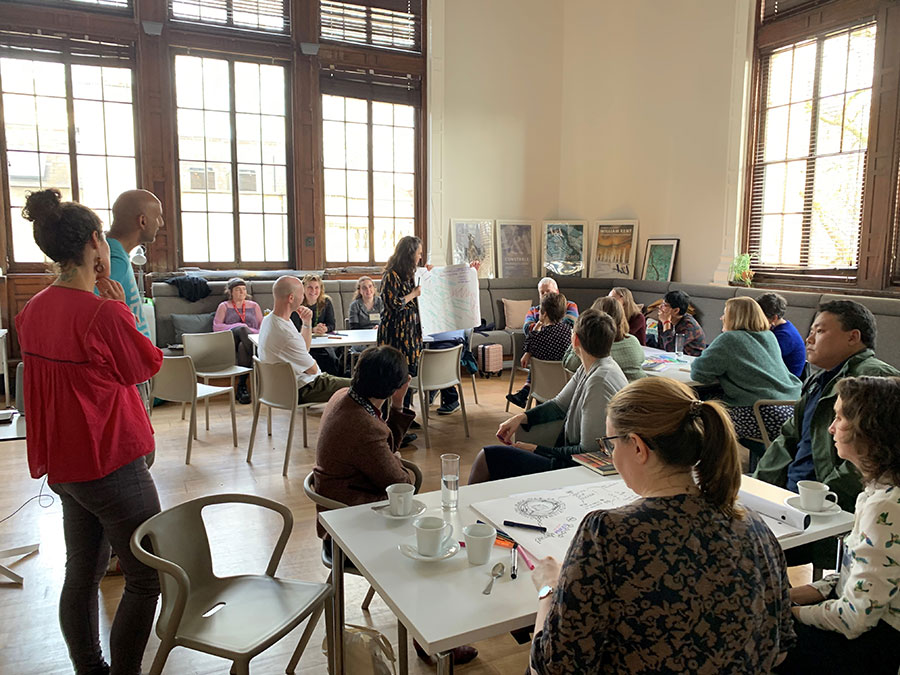
From the very beginning of the initiative, the V&A coordination team anchored the entire programme in the philosophy of collective support and mutual aid. Recognizing that the fellows were geographically dispersed across the United Kingdom, the team engineered a hybrid rhythm of engagement, combining fortnightly online coffee mornings with twice-yearly, in-person fellowship events. These gatherings were intentionally crafted to provide safe, welcoming spaces where researchers could build genuine rapport, openly share their daily professional experiences, and cultivate a deep, sustaining sense of belonging within a wider disciplinary community.
The in-person events played a vital role by allowing the fellows to physically visit one another’s host research organizations. These site visits granted the researchers a much deeper, more nuanced understanding of their peers’ specialized work while simultaneously engaging them collectively with key, high-level research issues facing the wider sector. Furthermore, these meetings intentionally created space for vital social moments—informal interactions that helped forge enduring personal and professional relationships extending far beyond the formal timeline of the fellowship and their individual institutional projects.
Parallel to the physical gatherings, the programmed fortnightly coffee mornings quickly established themselves as an absolute cornerstone of the overall fellowship experience. Guided consistently by the fellowship programme coordinator, these virtual sessions offered a regular, informal sanctuary where fellows could talk candidly through project developments, operational hurdles, intellectual impasses, and personal wellbeing. By providing a platform to learn directly from one another’s diverse expertise and the specialized insights of the V&A coordination team, the sessions fostered a rich culture of peer-focused knowledge exchange. This dynamic interaction continually enriched the programme, elevating its ultimate impact far beyond the confines of formal training workshops or lectures.

The psychological and professional value of this setup was perhaps best captured by one fellow, who reflected simply: “I didn’t necessarily find my ‘gang’ in the institution, but I found my peers in the cohort.” This reliable network of collective solidarity provided a crucial safety net, helping the participants effectively navigate the intense pressures, isolation, and uncertainties often inherent in early-career academic research.
Institutional Impact and Evolution
Beyond supporting the researchers themselves, the fellows injected fresh, vital expertise directly into their host institutions. Their presence proved particularly transformative in areas relating to socially engaged, humanities-based, and interdisciplinary research methodologies. Many of the Independent Research Organization hosts noted that the fellows actively helped them fundamentally reassess and recontextualize their historic collections—most notably in critical areas concerning colonial histories, imperial legacies, and engagement with historically marginalized communities. Host institutions widely agreed that the presence of the fellows enabled groundbreaking research trajectories that simply would not have happened otherwise.
The transformative nature of the programme did not go unnoticed by organizational leadership. As one member of the Steering Committee observed when reflecting on the fellows’ professional evolution: “We observed a sea change: fellows went in wondering how they could possibly gain traction within these organisations; by November, they had emerged as confident, robust researchers who really led the room.”
However, the independent evaluation report was careful to also outline the very real operational and structural challenges that the fellows experienced throughout the duration of the programme. These hurdles included high workload intensity, inconsistencies in institutional onboarding procedures, and lingering anxieties surrounding post-fellowship career uncertainty. Rather than undermining the project, the identification of these challenges further underscored the absolute necessity of the cohort model and the regular fellowship touchpoints. These mechanisms provided a stable, empathetic community where participants could collectively formulate coping strategies, share tactical advice, and offer mutual emotional support during difficult periods.

Demonstrating a strong commitment to responsive, evidence-based program management, the V&A team is currently working closely with current fellows and fellowship alumni to refine and optimize the upcoming second round of the programme. These efforts are focused on implementing targeted structural adaptations designed to ease transitional friction, refine institutional integration, and better address career sustainability.
In the evaluation report, key stakeholders repeatedly described the V&A’s unique approach to the fellowship programme as genuinely “innovative,” praising its seamless blend of structured cohort support, individualized mentoring, professional training, and cross-sector collaboration. Building directly upon this proven momentum, the organizers are thrilled to announce a major new strategic partnership with the School of Advanced Study (SAS) at the University of London for the second round of the fellowship initiative.
The School of Advanced Study occupies a singularly unique and prestigious role in advancing humanities scholarship and research infrastructure across the United Kingdom. This high-profile collaboration will formally embed the fellowship within one of the country’s most expansive and respected humanities research networks. In doing so, it promises to open up an even wider array of interdisciplinary connections, collaborative pathways, and professional opportunities for the next generation of early-career research fellows.
Ultimately, the comprehensive evaluation of the pilot ECR fellowship programme has demonstrated a profound truth: when early-career researchers are given the structural space to grow together, the entire cultural and heritage sector grows with them. The findings confirm unequivocally that an intentionally designed, deeply supported cohort model is not merely a pleasant optional add-on, but an indispensable and defining component of modern academic fellowships within cultural institutions.