The high-stakes diplomatic engagement comes at a pivotal moment for Canadian foreign and economic policy under Prime Minister Mark Carney. Following the imposition of aggressive tariffs on Canadian goods by U.S. President Donald Trump, Prime Minister Carney has aggressively pursued a diversification strategy aimed at reducing Canada’s heavy historical economic and security reliance on its southern neighbor. By pivoting toward Europe, Ottawa hopes to insulate its markets and secure reliable trade pathways, though this diplomatic alignment carries inherent risks. Moving closer to the European Union threatens to provoke the ire of the Trump administration, complicating ongoing, delicate trade negotiations between Washington and Ottawa as both nations attempt to navigate shifting geopolitical realities.
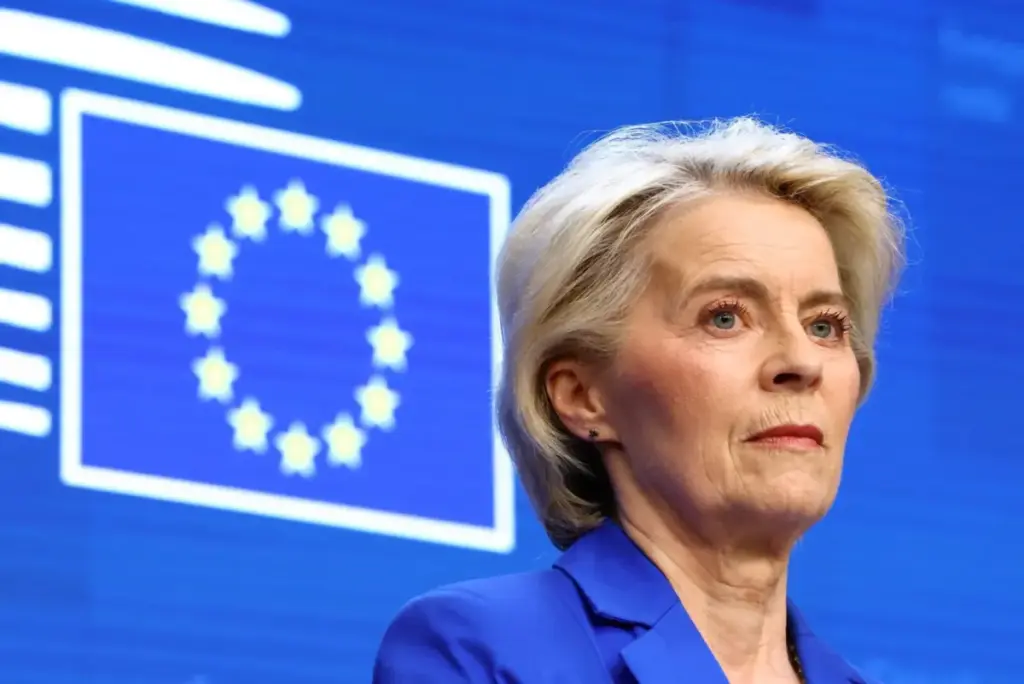
Von der Leyen, during her address in Montreal, sought to frame the evolving diplomatic architecture in clear, accessible terms while acknowledging the unique nature of the proposed framework. "Our idea is simple: it is an association without accession," von der Leyen told the gathered leaders and delegates. "We can build a partnership that comes closer to membership than anything we have done before." Elaborating on the practical scope of the initiative, she emphasized that the collaborative framework would be broad and sweeping. "We can work on everything, from AI and climate to energy or security," she added.
Despite the optimism voiced by European Commission leadership, the road toward institutionalizing this partnership is fraught with political and legal hurdles. The specific label of "associate member," which was initially floated by von der Leyen roughly six weeks ago, has encountered stiff resistance from numerous European Union member states. Critics within the bloc have raised valid concerns regarding the terminology, pointing out that the concept currently possesses no formal legal meaning within EU law. According to diplomatic sources, this lack of a concrete legal framework caught several capitals off guard when it was first introduced, prompting a swift rebuke led by Germany. European diplomats noted that major EU members were hesitant to endorse a sweeping concept that had not yet been properly fleshed out or subjected to rigorous legislative scrutiny.
Recognizing these domestic political sensitivities and legal ambiguities, Canadian and European Union leaders ultimately chose to pivot away from the contentious phrase during their formal deliberations. According to a joint declaration seen by Reuters, both sides dropped explicit references to associate EU membership from the text. Instead, they agreed upon a somewhat softer, yet still ambitious, commitment to pursue an "ever closer association."
The revised declaration, which officials plan to make fully public on Friday, establishes a deliberate timeline for the partnership’s evolution. It outlines that ongoing diplomatic and technical work to properly define and structure the long-term Canada-European Union relationship will continue uninterrupted until another major summit scheduled for next year. This measured approach allows both Ottawa and Brussels to signal a strong political intent toward deeper integration while affording European legal experts and national governments the necessary time to deliberate on the mechanics of the association without rushing into premature definitions.