The United States officially concluded its decades-long military footprint in Iraq on September 30, bringing an end to a continuous operational presence that began with the 2003 invasion. While the vast majority of American service members had already departed the country over preceding months, the final ceremonial and logistical steps sealed a historic geopolitical shift. The culmination of the withdrawal follows a structured timeline initiated in September 2024, when Washington and Baghdad first opened formal bilateral discussions regarding the complete cessation of American military operations.
The groundwork for the final exit was laid during the administration of former U.S. President Joe Biden, who previously outlined a plan to wind down the American military presence by 2026. This trajectory was maintained through subsequent political transitions, culminating in the complete transfer of the strategic al-Asad Air Base—situated in the central Anbar governorate—to the Iraqi central government in January 2026. That major handover took place just weeks before the outbreak of the broader U.S.-Israel-Iran conflict at the end of February, underscoring the rapidly shifting security dynamics of the Middle East.
The final operational milestone was solidified during an official visit to the United States by newly elected Iraqi Prime Minister Ali al-Zaydi. During high-level diplomatic talks, both nations reaffirmed their mutual commitment to clearing the remaining military personnel by the September 30 deadline. True to this agreement, the final contingent withdrew on schedule, leaving behind only a minimal, specialized footprint of personnel dedicated strictly to the protection of U.S. diplomatic staff stationed within the country.
A Seismic Shift in Regional Hegemony and Domestic Sovereignty
The complete departure of American combat and support forces represents a profound development carrying far-reaching regional repercussions. First and foremost, the move signals the definitive closure of the U.S.-led military mission in Iraq. Consequently, it marks the practical conclusion of an era of American regional hegemony that was largely catalyzed by the unilateral 2003 invasion—an intervention launched without the formal authorization of the United Nations or the collective backing of NATO. Across international relations and strategic commentary, the winding down of this mission is widely interpreted by observers as a notable retreat from long-standing American ambitions in the region.
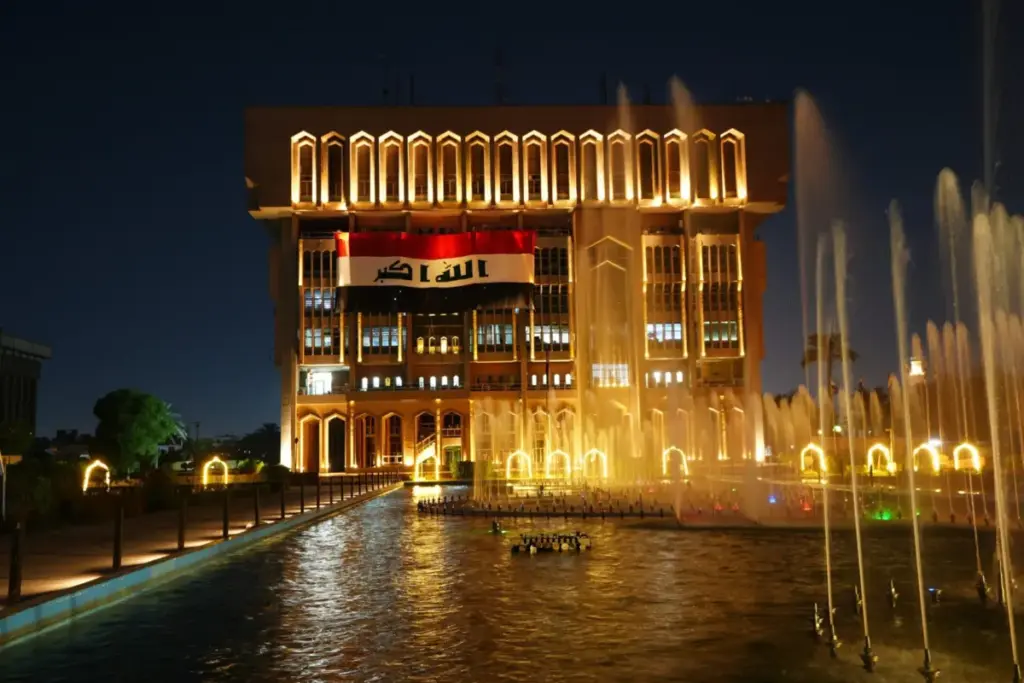
For Iraq itself, the moment is heralded as a historic turning point. In celebration of the milestone, the Iraqi government announced that September 30 will henceforth be observed as a national holiday dedicated to the country’s sovereignty. To mark the transition, authorities declared an extended four-day national holiday running from September 30 through October 3, aligning with Iraq’s traditional National Day celebrations. For Baghdad, the removal of foreign military forces stands as the ultimate realization of full state sovereignty and self-determination.
Shifting Balances: Iran, National Identity, and Regional Proxies
The withdrawal has naturally elicited a complex array of reactions across Iraq’s domestic political landscape and its immediate neighborhood. Initially, Iran-backed political factions and armed groups welcomed the exit of U.S. forces, viewing the vacuum as a potential avenue to expand Tehran’s leverage and influence within state institutions. However, the broader strategic landscape has shifted dramatically. Given the substantial weakening of the Iranian regime following recent military engagements with the United States and Israel, analysts note that it is increasingly improbable for Tehran to effectively utilize the Iraqi government as a proxy force moving forward. Instead, the departure of foreign military competitors is expected to bolster the foundational sovereignty of the Iraqi state.
Beyond immediate security calculations, the withdrawal serves as a vital catalyst for strengthening Iraqi national identity. Across the political spectrum, major Iraqi factions—including significant segments of the Shiite community—have increasingly sought to anchor civic loyalty in a cohesive national identity rather than fractional sub-national affiliations defined by sectarian or ethnic divides. The current administration in Baghdad has placed a premium on prioritizing state-level unity above all else. This domestic consolidation is expected to significantly enhance Iraq’s strategic autonomy and elevate its diplomatic standing in the wider international arena.
Security Anxieties Among Iraqi Kurds
Despite the widespread official celebration of sovereignty, the American departure has sparked acute concerns among the Kurdish population in northern Iraq. Foremost among these anxieties is the latent threat of a resurgence by remnants of Daesh and associated radical cells. Regional stakeholders worry that any abrupt power vacuum left in the wake of the U.S. departure could be exploited by underground terrorist networks seeking to reconstitute operational cells.
A secondary concern centers on the potential for renewed aggression from Iran-backed militias targeting Kurdish authorities. Numerous analysts and regional observers have warned that the absence of a stabilizing U.S. military presence might embolden these armed factions to launch attacks against the Peshmerga, the official security forces of the Kurdistan Regional Government (KRG). These concerns carry particular weight given that the final contingents of American forces were stationed primarily in the northern sectors of the country, notably around the city of Irbil. In light of these vulnerabilities, regional authorities are under mounting pressure to implement robust security measures to safeguard the northern provinces.
Implications for Türkiye and Bilateral Cooperation
The American military withdrawal also carries profound strategic implications for Türkiye, which has consistently championed the vision of a genuinely independent and stable Iraq. Ankara has long opposed the transformation of its southern neighbor into a dependent satellite of either Western or regional powers. With the removal of U.S. forces, Türkiye anticipates broader opportunities to deepen bilateral cooperation with a more self-reliant Baghdad, particularly in joint counter-terrorism efforts and the advancement of vital trans-regional infrastructure initiatives, such as the ambitious Development Road project.
Ankara and the Iraqi central government have recently concluded a landmark security agreement aimed at systematically clearing non-state armed actors from the Sinjar region, focusing heavily on dismantling PKK-affiliated elements such as the Sinjar Resistance Units (SRU, or YBŞ). Iraq remains a cornerstone of Türkiye’s broader "terror-free region" strategic framework, especially given that high-ranking PKK leadership cadres and auxiliary networks continue to maintain rear bases in mountainous northern Iraq. As part of this cooperative framework, Ankara has committed to progressively transferring administrative control of the Bashiqa military base—currently operated by Turkish security personnel—back to Iraqi authorities as Baghdad successfully restores order and eradicates terrorist elements in the Sinjar zone.
The long-term trajectory of the Iraqi state will depend heavily on the policy choices made by Baghdad in the coming months and years. Against the backdrop of the U.S. military exit and the concurrent degradation of the Iranian regime’s regional projection capabilities, the central government in Baghdad appears poised to prioritize robust, independent relations with Ankara and other regional partners. Through proactive diplomacy and security cooperation, a newly sovereign Iraq may soon find a more integrated and influential role within broader Middle Eastern economic and political platforms.