ANKARA/WASHINGTON — The United States officially completed the withdrawal of its remaining military forces from Iraq on September 30, bringing an end to a continuous U.S. military presence that began with the 2003 invasion. While the vast majority of American forces had already drawn down over preceding months and years, the final departure marks a historic geopolitical turning point for Iraq, the broader Middle East, and key regional actors like Türkiye.
The culmination of the withdrawal process followed structured bilateral discussions between Washington and Baghdad that commenced in September 2024. During those talks, then-U.S. President Joe Biden outlined a timeline to conclude the U.S. military mission in Iraq by 2026. The phased drawdown proceeded steadily through successive political shifts, including during the subsequent administration. A critical milestone was reached in January 2026, just weeks before the outbreak of the U.S.-Israel-Iran conflict in late February, when al-Asad Air Base—one of the largest and most strategically vital military installations in Iraq, situated in the central Anbar governorate—was fully transferred to the control of the Iraqi central government.
The final operational steps were formalized during a diplomatic visit to the United States by newly elected Iraqi Prime Minister Ali al-Zaydi. During high-level meetings, Washington and Baghdad reaffirmed that all remaining conventional American military forces would depart the country by the end of September. True to this agreement, the final contingent withdrew on September 30, 2026. Moving forward, only a minimal footprint of U.S. personnel will remain, exclusively tasked with providing security for American diplomatic missions operating within Iraq.
A Historic Turning Point and National Sovereignty in Iraq
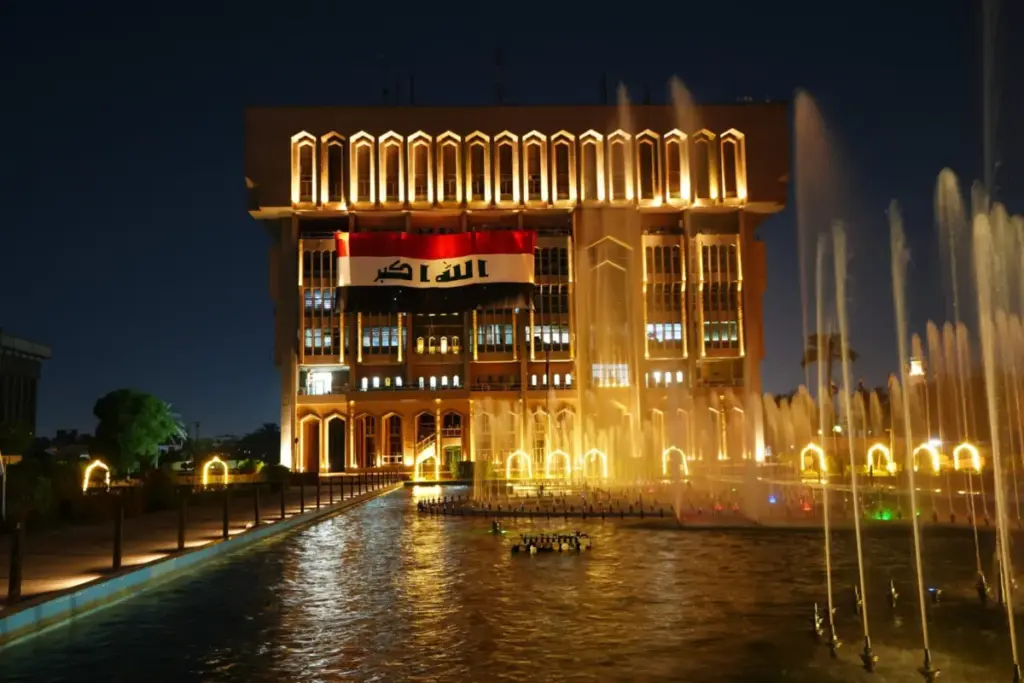
The full withdrawal of foreign military forces has been framed by Baghdad as the ultimate realization of national sovereignty, prompting sweeping celebrations nationwide. The Iraqi government declared a four-day national holiday running from September 30 through October 3, aligning the end of the foreign military presence with Iraq’s traditional National Day. September 30 has officially been designated as "Iraq’s Sovereignty Day," a national holiday intended to commemorate the closure of a turbulent chapter in the nation’s modern history.
For many political analysts, the departure of U.S. forces signifies far more than a logistical redeployment; it marks the definitive conclusion of the U.S.-led military mission in Iraq and a symbolic erosion of American hegemony in the Middle East. The 2003 invasion, launched unilaterally by Washington without the explicit authorization of the United Nations Security Council or a broad-based NATO coalition, fundamentally altered the regional balance of power. Decades later, the manner and finality of the withdrawal are viewed by numerous international observers as a sobering closure to long-standing regional ambitions.
Domestically, the exit of foreign troops is expected to bolster Iraqi national identity. Across the political spectrum, including within various Shiite communities, there is a concerted push to prioritize overarching national unity over sub-national sectarian or ethnic loyalties. The current administration in Baghdad has placed heavy emphasis on this civic nationalism, betting that full strategic autonomy will enhance the country’s standing, diplomatic weight, and agency in the international arena.
Regional Repercussions: Changing Fortunes for Iran and Local Security Concerns
The American exit has inevitably triggered complex reactions across the region, particularly concerning the influence of neighboring Iran. Historically, Iran-backed political and armed factions in Iraq viewed the prospect of a U.S. withdrawal as a strategic opportunity to deepen their footprint and project power. However, the broader geopolitical landscape has shifted dramatically. Following significant military setbacks inflicted by U.S. and Israeli operations during the recent regional conflict, the Iranian regime and its proxy networks have experienced a notable weakening. Consequently, experts suggest that Tehran’s capacity to leverage the Iraqi government through proxy militias is severely diminished, paving the way for a more independent and self-determined Iraqi state.
At the same time, the withdrawal has generated distinct anxieties among specific demographics within Iraq, most notably the Iraqi Kurds. Authorities in the Kurdistan Regional Government (KRG) and local populations have voiced two primary concerns regarding the post-withdrawal security vacuum.
The first major apprehension centers on the potential resurgence of Daesh-linked sleeper cells and radical entities seeking to exploit perceived gaps in regional security. The second concern involves the persistent threat posed by Iran-backed armed groups to the Kurdish region. Given that the final deployments of U.S. troops were stationed in northern Iraq around the city of Irbil, regional stakeholders emphasize that the departure of American forces could potentially embolden hostile militias to pressure or launch attacks against the Peshmerga, the official security forces of the KRG. In response, security analysts stress the urgent necessity for heightened vigilance and proactive defensive measures by both federal and regional authorities.
Türkiye Welcomes a Truly Independent Iraq
The complete U.S. withdrawal has also been met with a favorable response from Ankara, which has long advocated for a fully independent and stable Iraq free from the competing spheres of foreign hegemony, whether from Washington or Tehran. Türkiye views a sovereign Iraq as an essential partner in fostering regional stability, economic integration, and joint counterterrorism initiatives.
A more autonomous Baghdad opens new avenues for bilateral cooperation, particularly regarding critical regional infrastructure and economic corridors such as the Development Road project, which aims to connect the Gulf to Europe through Turkish territory. Furthermore, Ankara and the Iraqi central government have recently deepened their security coordination. Notably, the two nations signed a landmark agreement aimed at clearing the volatile Sinjar region of armed non-state actors, specifically targeting PKK-affiliated entities such as the Sinjar Resistance Units (YBŞ).
Because northern Iraq has historically provided logistical depth and shelter for PKK leadership cadres, achieving a secure and stable border region remains a cornerstone of Türkiye’s broader "terror-free region" initiative. As a testament to this growing bilateral trust, Ankara has previously indicated its readiness to gradually transfer operational control of the Bashiqa military base—currently run by Turkish security forces—back to the Iraqi administration as local forces successfully pacify and secure the Sinjar area.
As the dust settles on the departure of American forces, the definitive trajectory of the Iraqi state will depend heavily on the policy choices made by Baghdad in the coming months and years. With Western military footprints minimized and the traditional influence of the Iranian regime constrained by recent regional conflicts, Iraq stands at a historic crossroads. Whether Baghdad can successfully leverage this newly reclaimed sovereignty to fortify national unity, neutralize remaining security threats, and integrate seamlessly into regional diplomatic and economic platforms remains one of the defining questions for the Middle East’s future.