Formula One has crowned 35 different world champions since the inaugural championship in 1950, with the sport’s greatest names spanning eight decades of changing cars, circuits, regulations, and fierce rivalries. Over seventy-five years of high-speed competition, the pinnacle of motorsport has evolved from a regional European series into a truly global phenomenon, testing the physical limits of drivers and the engineering boundaries of constructors alike.
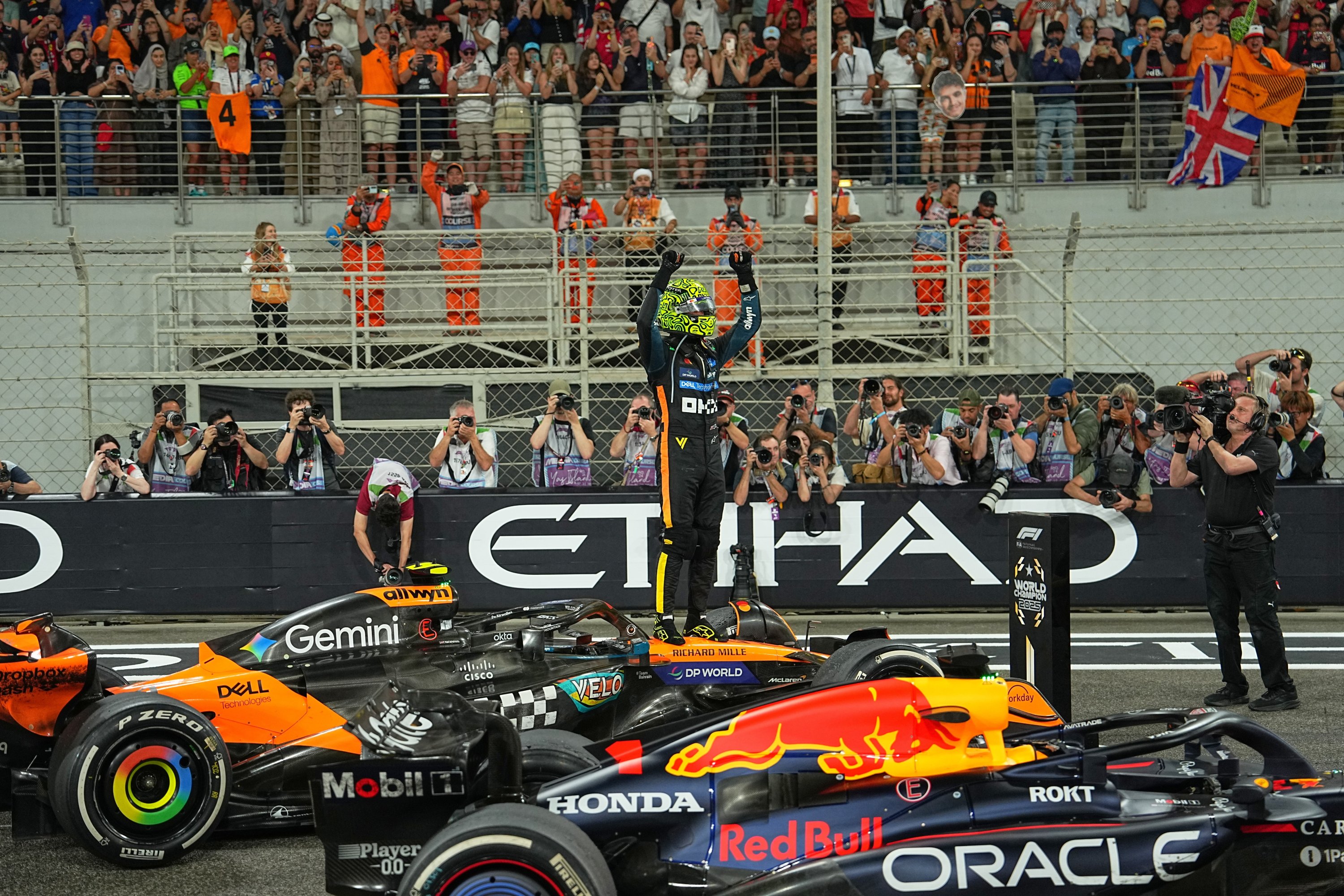
The latest addition to that exclusive list came in December 2025, when McLaren’s Lando Norris secured his maiden Drivers’ Championship at a dramatic Abu Dhabi Grand Prix. Entering the season finale at the Yas Marina Circuit, Norris found himself locked in a tense, three-way title fight alongside reigning champion Max Verstappen and his own McLaren teammate, Oscar Piastri. When the checkered flag waved under the desert lights, Norris crossed the line in third place. While Verstappen claimed victory in the race itself, the third-place finish was more than enough for the young Briton to edge his Dutch rival by a mere two points, cementing his place in history as the 35th different driver to capture the sport’s ultimate prize.
This nail-biting conclusion also ended McLaren’s 17-year wait for a Drivers’ Championship, stretching back to Lewis Hamilton’s dramatic maiden title in 2008. By combining Norris’s individual success with strong team performances across the calendar, McLaren successfully completed the 2025 double by securing the Constructors’ Championship as well. The final margin of two points between Norris and Verstappen stands as one of the closest and most fiercely contested title battles in modern Formula One history, echoing the fine margins that have often defined the sport’s most legendary eras.
A Legacy Defined by Legends: The Multiple Champions
The Drivers’ Championship has been awarded every single season since 1950, creating a lineage of speed that few sports can match. At the very summit of this historical pyramid sit Michael Schumacher and Lewis Hamilton, who share the all-time record with seven championships apiece. Schumacher’s dominant era spanned the turn of the millennium, while Hamilton redefined modern excellence across the late 2000s and 2010s.
Following closely behind them is the legendary Juan Manuel Fangio, who secured five world titles during the 1950s. Alain Prost, Sebastian Vettel, and Max Verstappen occupy the next tier with four championships each. Verstappen notably completed his fourth consecutive championship run in 2024 before Norris finally brought an end to his dominant streak at the conclusion of the 2025 campaign.
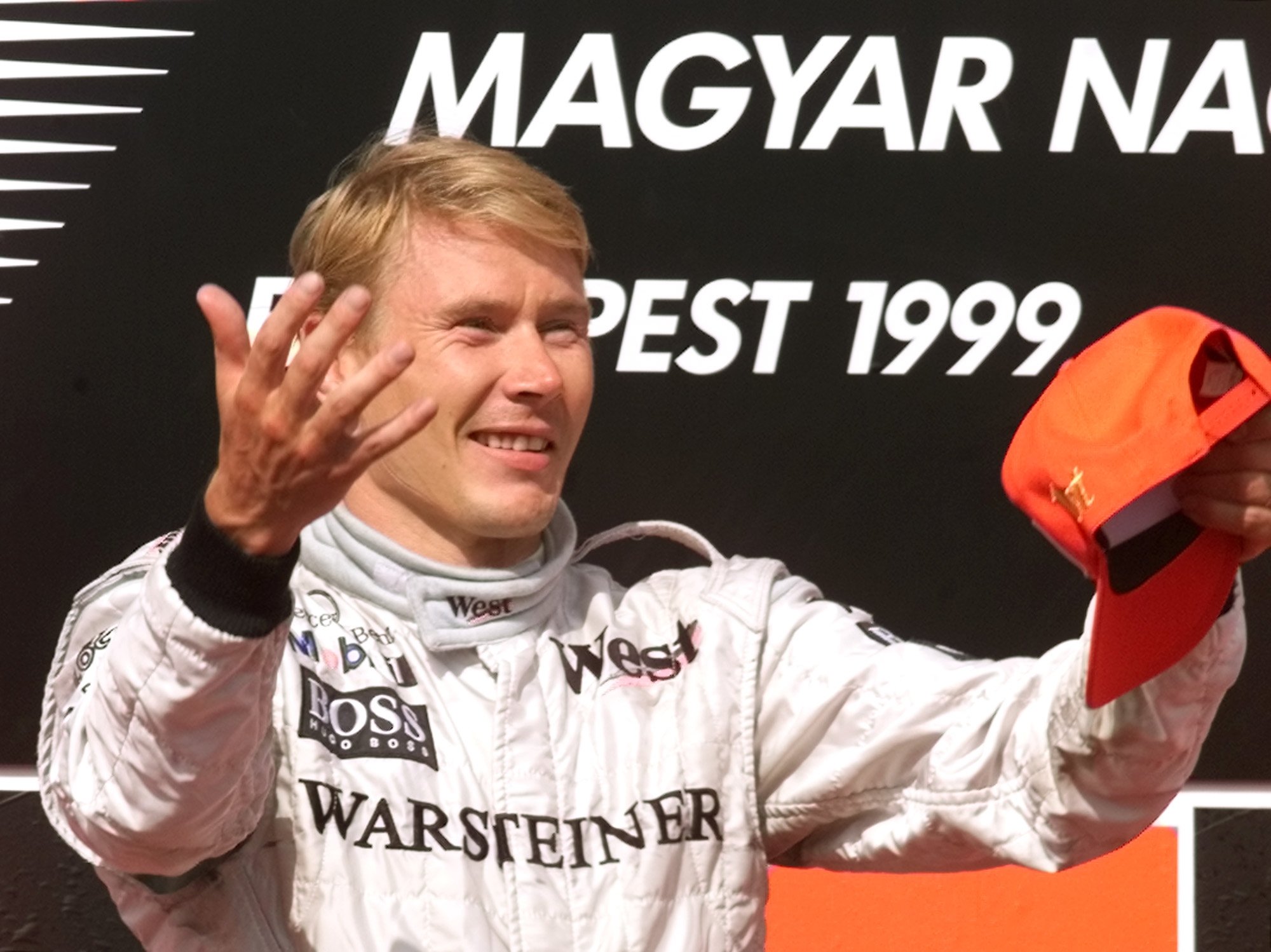
A select group of drivers managed to capture three world titles during their careers, including Australian pioneer Jack Brabham, masterful Scottish racer Jackie Stewart, fiery Austrian icon Niki Lauda, Brazilian maestro Nelson Piquet, and the legendary Ayrton Senna. Meanwhile, an elite cohort of two-time champions features Alberto Ascari, Jim Clark, Graham Hill, Emerson Fittipaldi, Mika Hakkinen, and Fernando Alonso. Every other champion inscribed into Formula One history has claimed the crown once.
From Farina to Fangio: The Formative Years
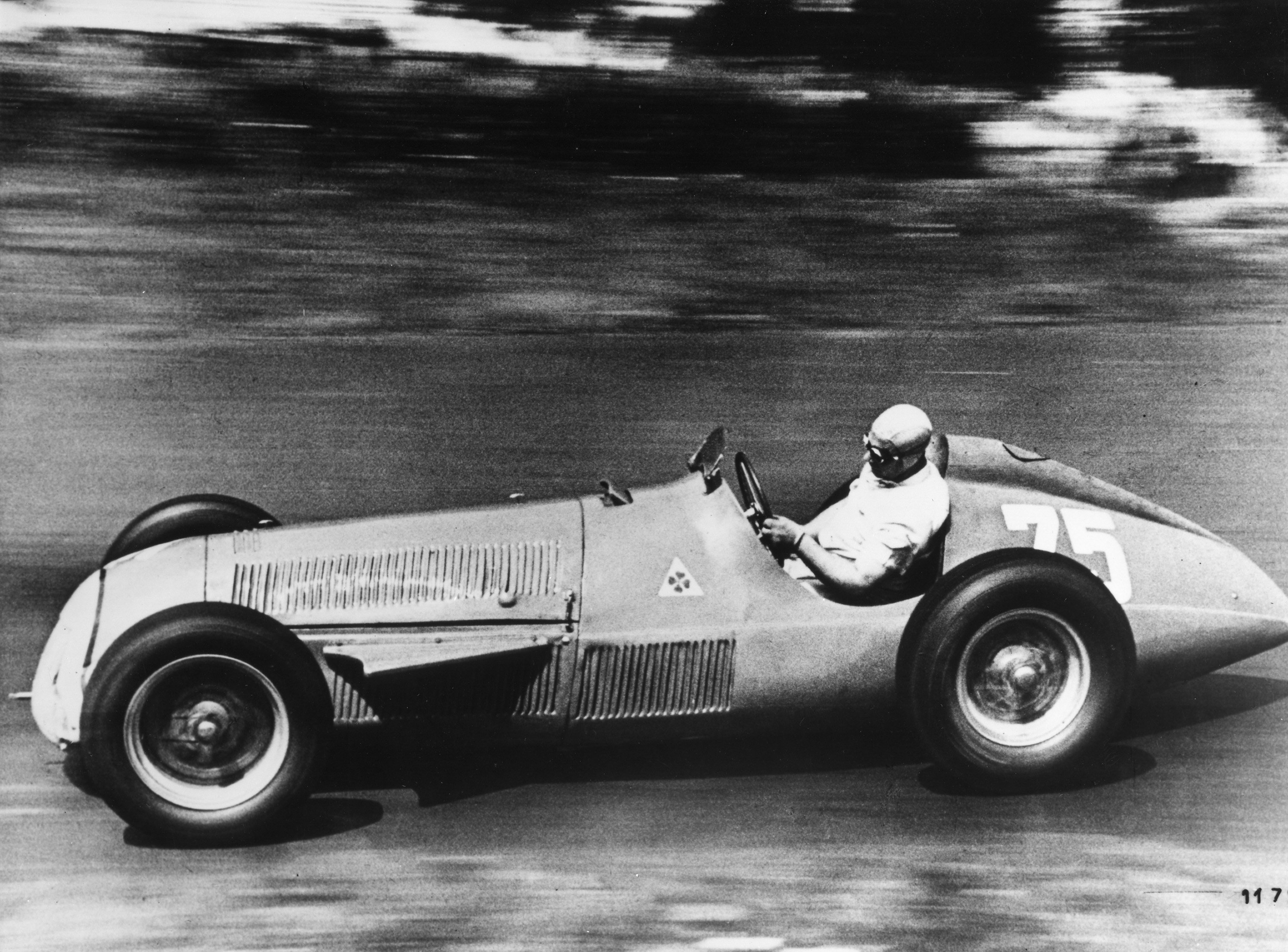
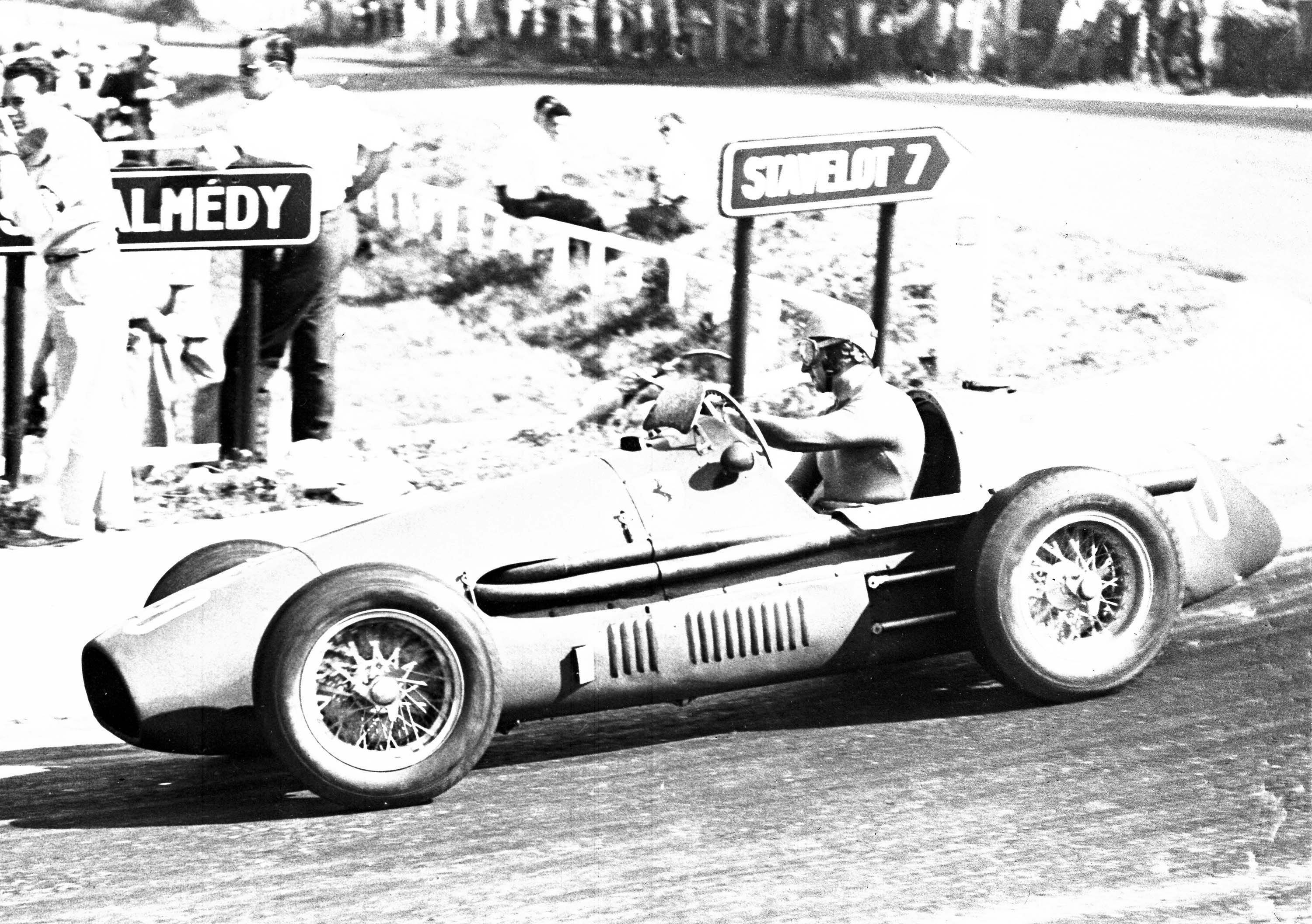
The championship officially began in 1950, with Alfa Romeo’s Giuseppe Farina capturing the distinction of becoming Formula One’s first-ever world champion. The early years of the sport belonged largely to Italian engineering and the peerless brilliance of Juan Manuel Fangio. The Argentine driver secured five championships between 1951 and 1957, a breathtaking achievement accomplished across four different constructors: Alfa Romeo, Mercedes, Ferrari, and Maserati. This extraordinary run established Fangio as the indisputable benchmark of the sport’s formative era, setting a standard for versatility and racecraft that would endure for decades.
The 1950s also produced one of the most unusual championship statistics in F1 history. Fangio’s five titles were followed by Mike Hawthorn’s single championship in 1958, which preceded his prompt retirement from professional racing, and Jack Brabham’s first two consecutive titles in 1959 and 1960 driving for Cooper.
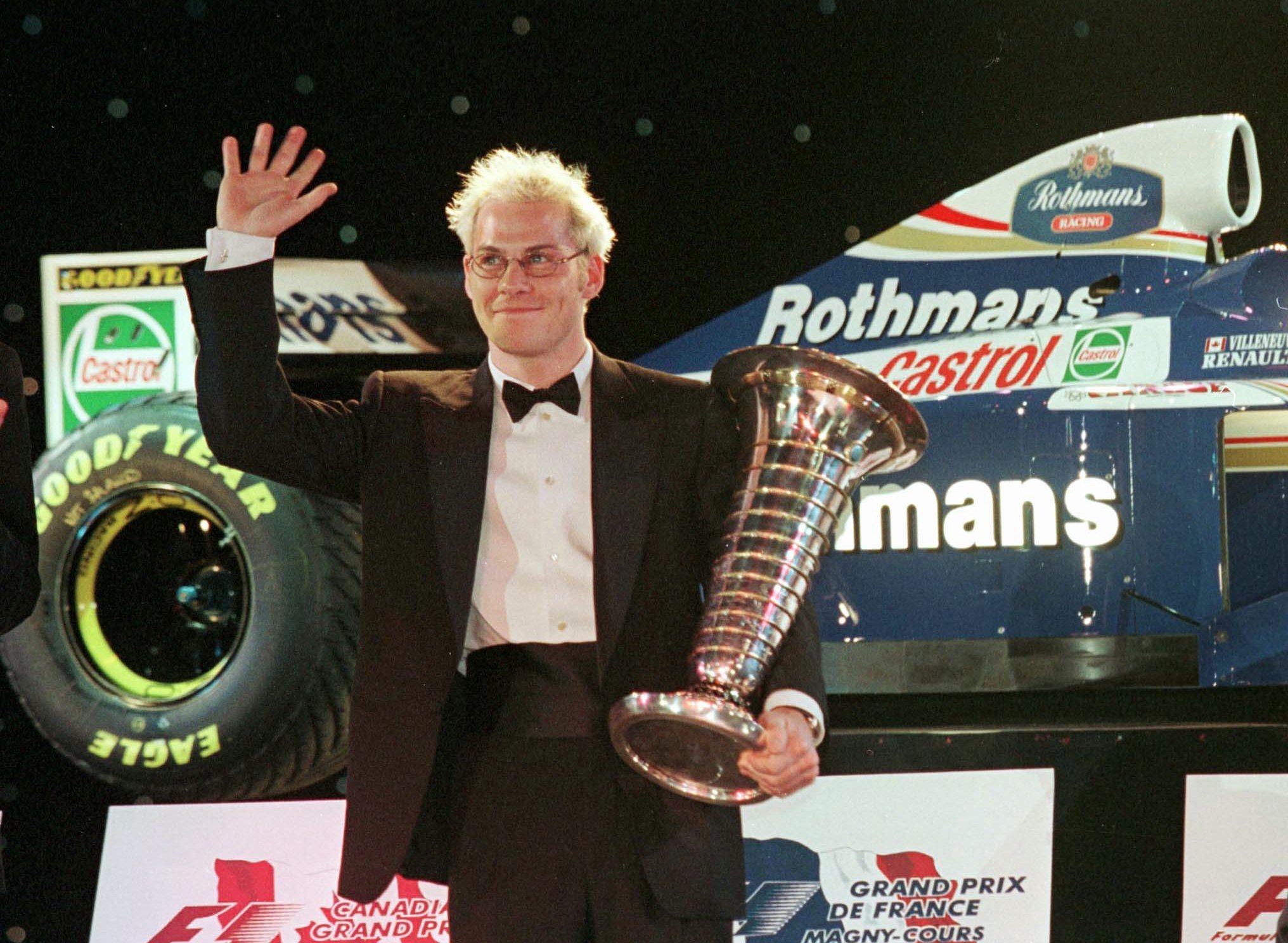
The Rise of British Influence and Technical Innovation
As the calendar turned to the 1960s and 1970s, a distinct shift occurred, bringing a growing British presence among both drivers and constructors. Jim Clark mesmerized fans by winning two titles for Lotus, Graham Hill established himself as a gritty dual champion, and Jackie Stewart collected three championships with remarkable tactical intelligence. Brabham also transitioned from driver to constructor, with Jack Brabham achieving the rare feat of winning the 1966 world title in a car bearing his own name, powered by an engine built by Repco.
This era also birthed the sport’s most poignant and tragic championship story. Jochen Rindt remains the only driver in Formula One history to be crowned world champion posthumously. Following a fatal accident during qualifying for the 1970 Italian Grand Prix at Monza, Rindt had already accumulated an insurmountable points lead. His rivals were unable to catch him in the remaining rounds, allowing Lotus to fittingly claim the constructors’ and drivers’ honors in his memory.
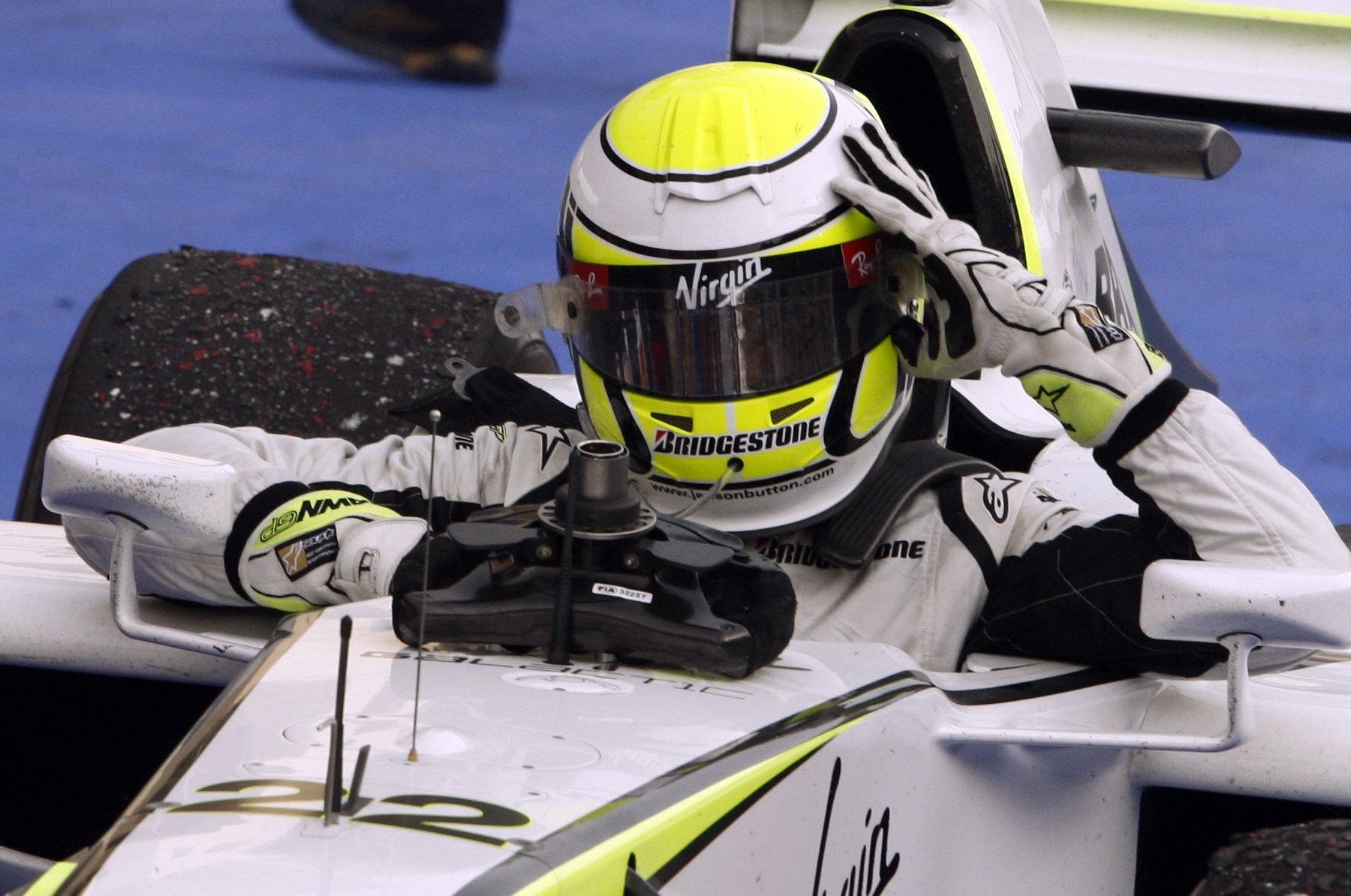
The Fierce Rivalries of Prost, Senna, and Piquet
The 1980s and early 1990s were defined by intense political maneuvering, technological leaps, and some of the most ferocious teammate rivalries the sport has ever witnessed. Alain Prost secured four championships across 1985, 1986, 1989, and 1993, earning the moniker "The Professor" for his calculated, metronomic approach to race distances and points accumulation.
Ayrton Senna captured three brilliant titles with McLaren in 1988, 1990, and 1991, while Nelson Piquet claimed three championships in 1981, 1983, and 1987. The legendary rivalry between Prost and Senna became the centerpiece of F1’s global appeal, producing unforgettable wheel-to-wheel combat and controversial clashes that transcended motorsport. Tragically, Senna’s fatal crash at the 1994 San Marino Grand Prix marked a watershed moment for Formula One safety, prompting sweeping regulatory and structural changes designed to protect drivers from the inherent dangers of elite racing.
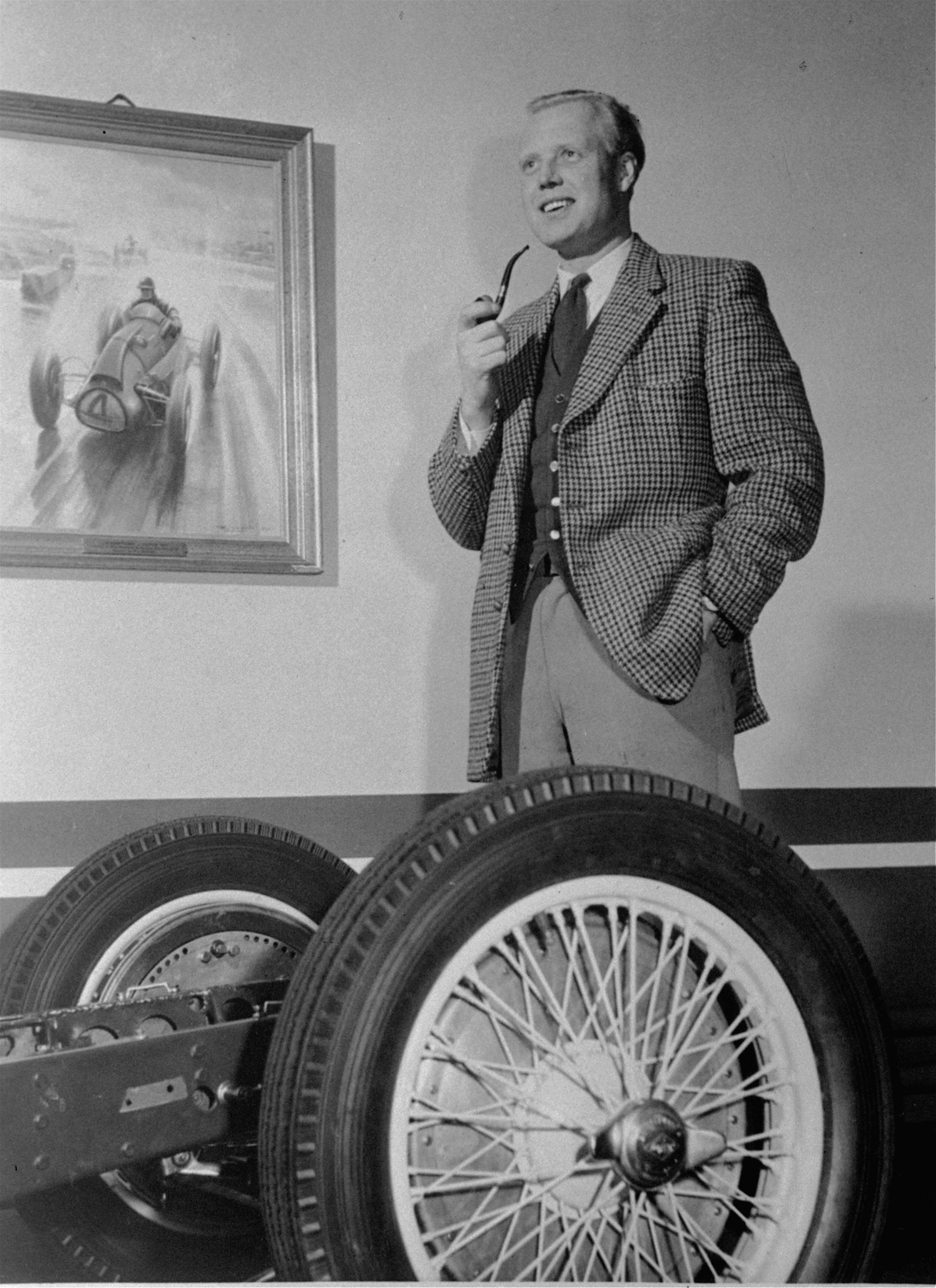
Schumacher’s Ferrari Dynasty
Michael Schumacher emerged as the undisputed titan of the late 1990s and early 2000s. After claiming back-to-back world championships with Benetton in 1994 and 1995, the German driver embarked on a historic journey with Scuderia Ferrari. There, he orchestrated an unprecedented run of five consecutive championships between 2000 and 2004, transforming the Italian team into an unstoppable juggernaut. To this day, Schumacher’s five-year consecutive title streak stands as the longest unbroken championship run by any individual driver in Formula One history.
The Schumacher-Ferrari dominance was eventually broken by Fernando Alonso, who delivered back-to-back championships for Renault in 2005 and 2006 with aggressive speed and tactical consistency. The grid continued to shuffle as Kimi Raikkonen clinched the 2007 title for Ferrari in a thrilling three-way season finale, before a young Lewis Hamilton broke through to claim his first career championship with McLaren in 2008.
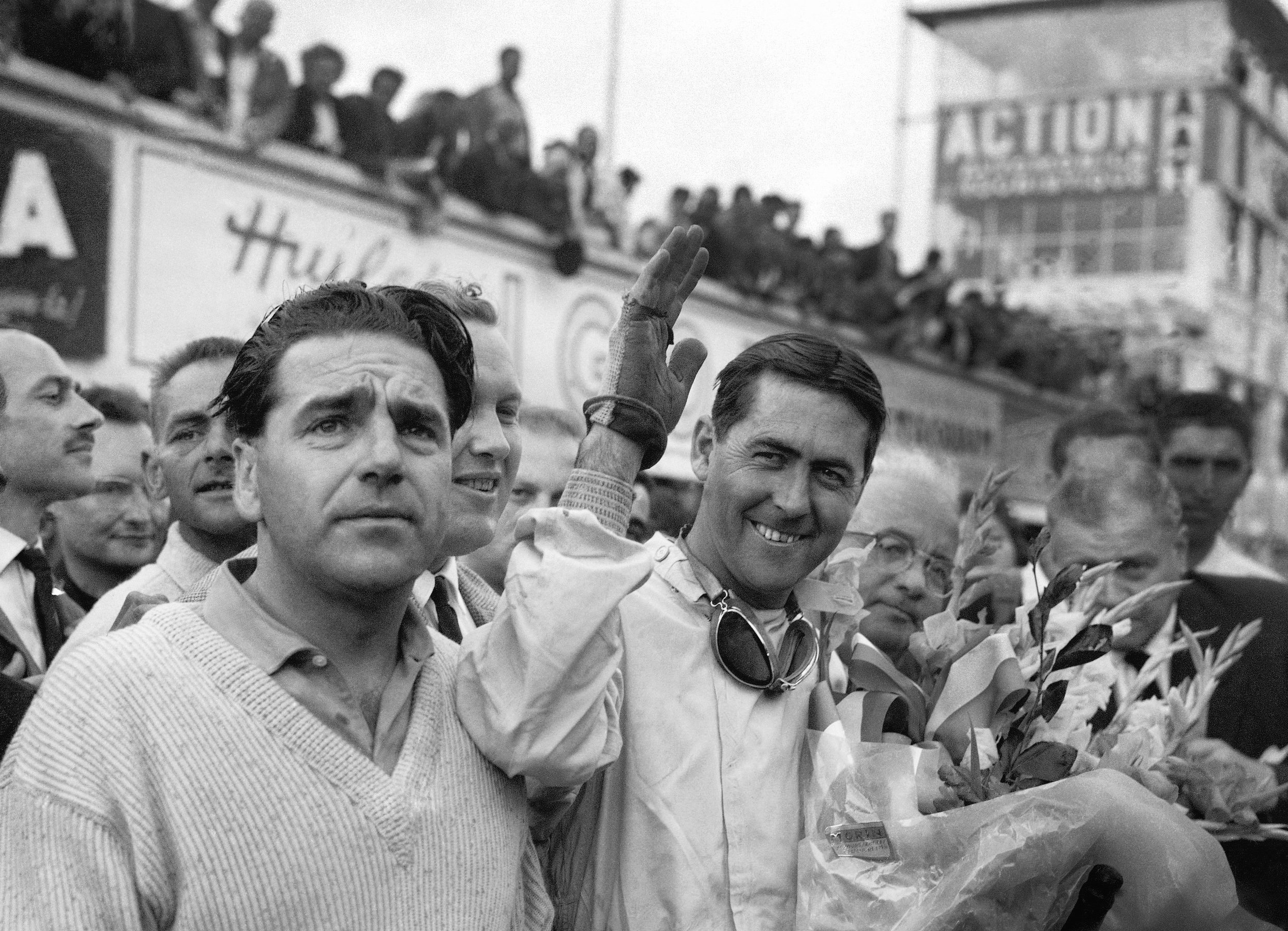
Hamilton, Vettel, and the Modern Era
Hamilton’s early success proved to be merely a precursor to an era-defining career. After his 2008 triumph with McLaren, a move to the works Mercedes team yielded six more championships between 2014 and 2020, elevating him to a record-tying seven titles alongside Michael Schumacher.
Simultaneously, Sebastian Vettel etched his name into the history books by dominating the opening years of the 2010s. The German driver secured four consecutive world championships for Red Bull Racing from 2010 through 2013, displaying devastating qualifying pace and flawless race management. Nico Rosberg briefly pierced Hamilton’s armor by claiming the 2016 world championship before promptly announcing his retirement from the sport, allowing Hamilton to resume his championship march through the end of the decade.
Verstappen’s Reign and Norris’s Breakthrough
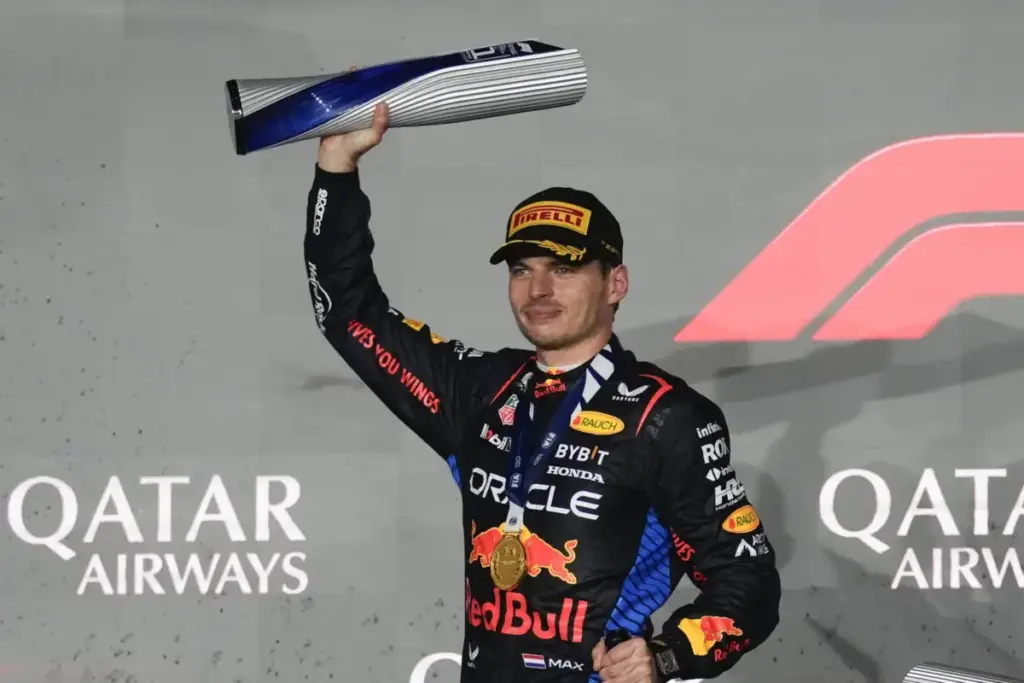
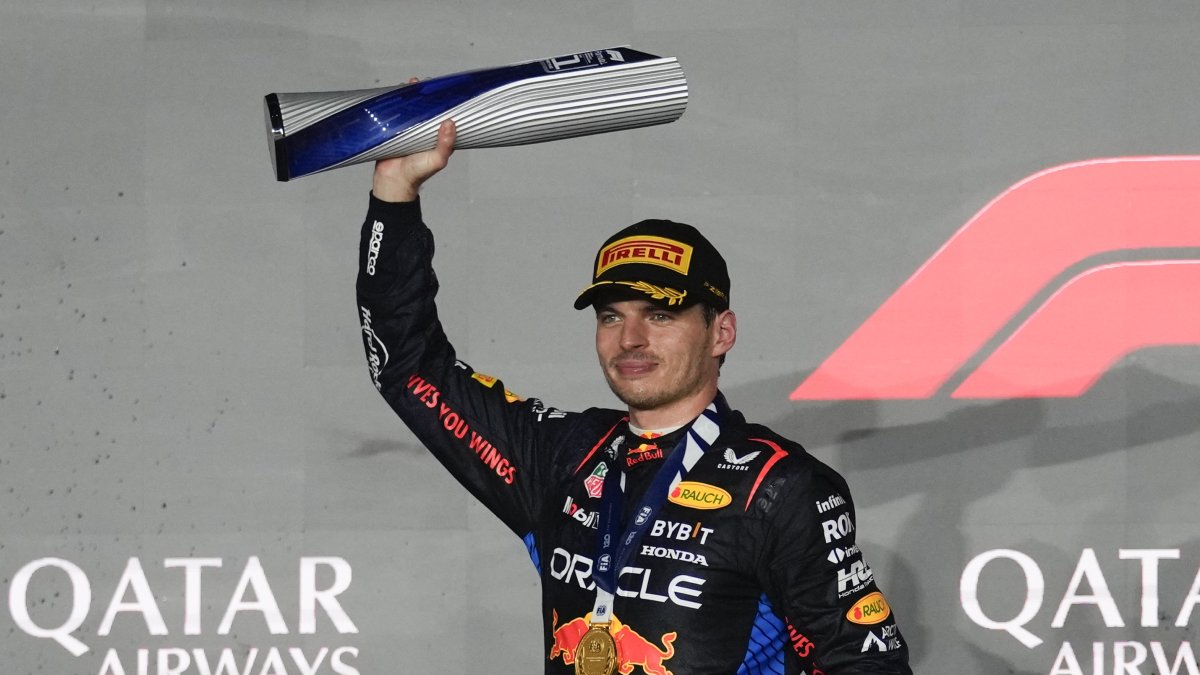
A new power dynamic took shape in 2021 when Max Verstappen captured his maiden world championship following a grueling, season-long duel with Lewis Hamilton that went down to the final lap in Abu Dhabi. Verstappen followed that controversial and thrilling breakthrough with three completely dominant campaigns in 2022, 2023, and 2024. By securing four consecutive titles, he joined Prost and Vettel in an exclusive tier of four-time champions before the 2025 season brought a fresh challenger to the fore.
Lando Norris’s championship triumph in late 2025 not only marked his arrival as the 35th name on the sport’s roll of honor but also made him the 11th British driver to conquer Formula One. Surviving a tense points battle against Verstappen and teammate Oscar Piastri, Norris cemented his legacy under the Abu Dhabi lights and set the stage for future generational battles.
A Truly Global Sport
When looking at the broader historical landscape, certain nations have historically punched well above their weight in producing racing royalty. Great Britain leads the nationality table with 21 Drivers’ Championships secured by 11 different drivers, a tally bolstered by Norris’s 2025 success. Germany sits second with 12 titles, followed closely by Brazil with eight and Argentina with five.
Finland, Australia, Austria, France, and the Netherlands have each produced four championship-winning campaigns, while Italy, the United States, and Spain have accounted for two titles apiece. New Zealand, South Africa, and Canada have each celebrated a single world champion. Across its 76-year history, Formula One’s 35 champions have proudly represented 15 different countries, illustrating the remarkable global expansion of a sport that originated as an intimate European racing circuit in 1950 and has since evolved into a premier international sporting spectacle.