PARIS — France has announced it will summon Iran’s ambassador to Paris and enact “appropriate measures” in response to the abrupt closure of a prominent French-language educational and cultural centre in Tehran, a move that marks a sharp escalation in diplomatic tensions between the two nations.
The announcement from the French Foreign Ministry on Sunday followed a decision by Iranian judicial authorities to shutter the French Language Centre (CLF), an institution operating in conjunction with the French embassy in the Iranian capital. Iranian authorities justified the closure by accusing the facility of conducting what they termed “illegal acts that violated diplomatic conventions.”
The development has drawn a fierce and uncompromising reaction from Paris. Foreign Ministry spokesperson Pascal Confavreux issued a strongly worded statement denouncing the action as the latest in a series of hostile moves targeting French cultural and diplomatic presence within Iran.
“This new attack against France’s cultural presence in Iran, following the assault on two staff members of the French embassy last July, is unjustifiable and unacceptable,” Confavreux said.
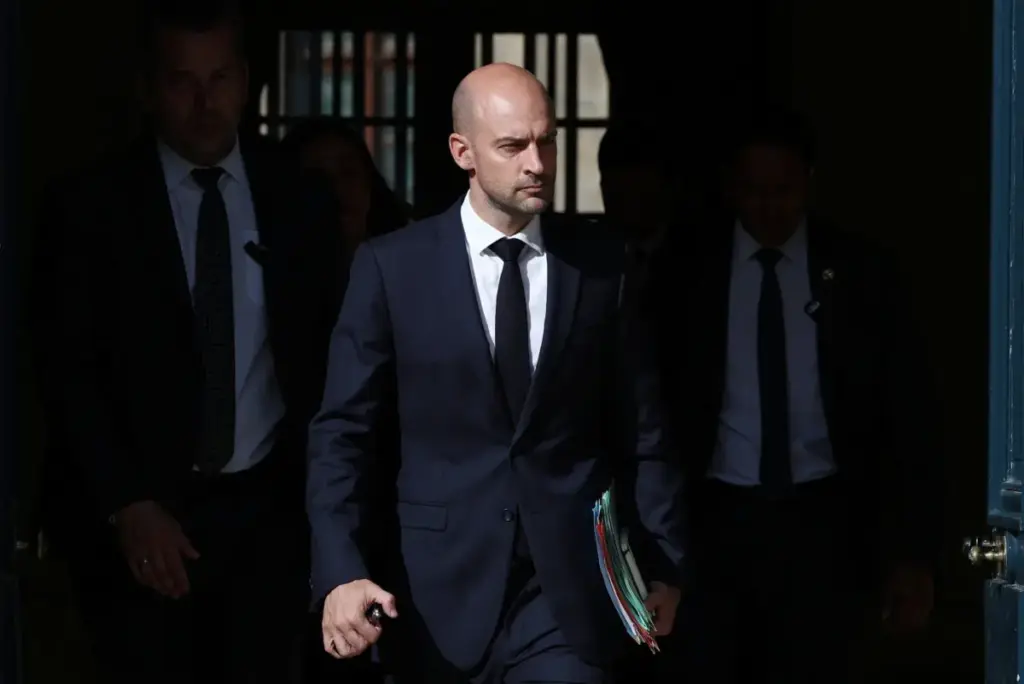
According to statements released by the French Foreign Ministry, French Foreign Minister Jean-Noel Barrot personally requested the immediate summoning of the Iranian ambassador to Paris. The ministry emphasized that France would not let the closure go unanswered and was preparing appropriate diplomatic steps to register its profound displeasure and demand accountability.
The closure of the French Language Centre was publicized earlier on Sunday via Mizan, the official news website of the Iranian judiciary. Citing directives from the Tehran prosecutor’s office, the judiciary claimed that the facility had long operated under the pretense of being a standard language instruction centre while allegedly engaging in activities counter to Iranian national security and diplomatic protocols.
“Based on the Tehran prosecutor’s office, the illegal centre affiliated with the French embassy in Tehran, which has operated for years under the guise of language instruction, was closed,” the Mizan report stated, explicitly identifying the facility as the French Language Centre.
The Iranian judiciary went further in its accusations, alleging that the centre had deliberately abused its institutional status as a language training facility. Mizan asserted that the institution was utilized to identify and cultivate networks among Iran’s prominent elite figures, while also allegedly facilitating their departure from the country. Iranian authorities framed these activities as a breach of sovereignty and an instance of foreign interference, though they provided no public documentation or formal legal evidence to substantiate the claims regarding the alleged networking and departure facilitation.
The shuttering of the cultural hub comes against the backdrop of an already deeply strained and deteriorating relationship between Tehran and Paris. Diplomatic friction has intensified markedly in recent months, fueled by overlapping geopolitical tensions, regional security disputes, and a series of direct confrontations involving diplomatic personnel and national security investigations.
Relations between the two countries have experienced turbulence across multiple fronts, including broader European and French diplomatic maneuvers regarding regional conflicts and strategic security policies. In recent months, high-level policy shifts in Paris—such as discussions surrounding nuclear capabilities and regional deterrence amid ongoing conflicts involving Iran and its allies—have further complicated bilateral channels.
The closure of the language centre is not an isolated incident, but rather the latest chapter in a persistent pattern of diplomatic friction and security-related disputes. Tensions were laid bare last summer when an incident in July involved an assault on two staff members of the French embassy in Tehran, an event that Paris viewed as a serious breach of the protections owed to diplomatic personnel under international law.
Furthermore, the atmosphere of distrust was compounded significantly in August, when Iran’s Intelligence Ministry announced the detention of two French diplomats. Iranian authorities claimed at the time that the diplomats were detained over alleged foreign interference during the course of a domestic national security investigation. After a period of detention and intense behind-the-scenes diplomatic maneuvering, the two individuals were eventually handed over to the French ambassador and permitted to leave the country, though the episode left deep scars on bilateral communication channels.
For decades, cultural institutions such as the French Language Centre have served as key pillars of soft power, academic exchange, and linguistic education, providing local populations with access to French culture, literature, and educational opportunities abroad. The targeting and ultimate closure of such facilities represent a significant contraction of Western cultural diplomacy inside Iran, where foreign-backed cultural entities face increasingly rigorous scrutiny, restrictions, and suspicion from security apparatuses.
As the diplomatic fallout from Sunday’s closure begins to unfold, the French Foreign Ministry is expected to outline the specifics of its retaliatory measures following the formal summoning of the Iranian ambassador. With channels of communication increasingly strained and previous incidents involving embassy staff and detained diplomats still fresh, the latest standoff threatens to further isolate Iran’s diplomatic ties with Western European powers, leaving the future of bilateral relations and cultural engagement in profound uncertainty.